

Low Anterior Resection Syndrome (LARS)
Learn what Low Anterior Resection Syndrome (LARS) is, why it happens after rectal cancer surgery, and the tools and strategies that can help you manage symptoms.
What causes LARS?
Low anterior resection surgery involves removing portions of the colon containing cancer cells and connecting the remaining parts of the colon, leaving only healthy cells and tissue. Rectal cancer patients may undergo resection or removal of part or of the entire rectum (the last 6-8 inches of the large intestine), which can lead to a collection of symptoms known as Low Anterior Resection Syndrome (LARS).
About LARS
Low anterior resection syndrome can occur after resection surgery to the lower part of the colon. After the resection or removal of the part of the rectum containing cancer cells, your surgeon will perform an anastomosis, or “hook up,” of the colon.
Anastomosis means that the two remaining ends of the large intestine and the rectum are sewn or stapled back together, resulting in a shorter colon, which leads to the symptoms that make up LARS.
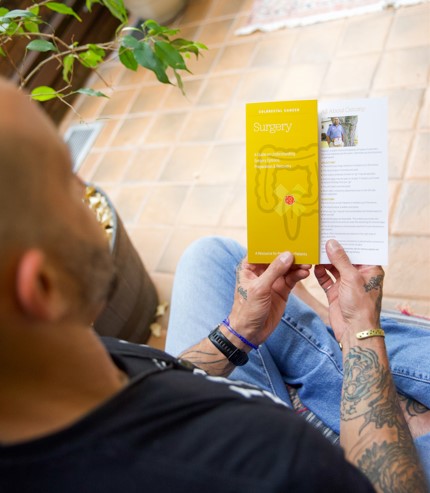
Access the downloadable, printable PDF version of this brochure below for easy offline reading or sharing.
Symptoms of LARS
- Frequency or urgency of stools, largely due to the fact you have less space to store stool after removing part of the rectum
- Clustering of stools (many bowel movements during a few hours)
- Fecal incontinence (lack of control over bowel movements)
- Constipation for more than a few days, followed by multiple bowel movements a few days later
- Increased gas
- Abdominal pain
- Risk of urinary and/or sexual dysfunction due to nerve damage
Many survivors report symptoms of lower anterior resection syndrome can interfere with daily living and reduce their quality of life. While some patients report that these side effects improve over time, some experts believe that if symptoms exist at one-year post-surgery (or stoma closure), they are likely to continue to exist 10 years later.
Check out our Pelvic Floor Webinar for tips to manage LARS:
Managing LARS
There are ways to manage LARS, but finding the right regimen can be challenging, as management is extremely individualized: What works for one person may not work for another. Here’s a list of some ways people manage:
Kegel Exercises
Kegels may help strengthen the muscles of the pelvic floor. To do this, tighten your muscles like you are trying to hold back a bowel movement. Hold this position for 5 to 10 seconds. Release and rest. Repeat. Before you begin a kegel routine, please consult with a pelvic floor specialist.
Irrigation
Medicines and Probiotics
Stool training and biofeedback
Survival pack
Counseling
LARS: A Survivor’s Perspective
In this Taboo-ty Podcast, colorectal cancer survivor, Jon, talks about all things LARS. He reviews the “must-haves” a person with LARS should carry with them at all times, the ups and downs of symptoms like frequency, and more.
Diet For LARS
Making changes to your diet may help prevent urgency and incontinence. Here are some to consider:
- Eat small, frequent meals (skipping meals can cause increased gas)
- Drink plenty of fluids slowly
- Eat foods that help slow and firm up stool including:, white rice, pasta, bread, pretzels, tapioca, marshmallows, peanut butter, bananas, potatoes, and yogurt
- Avoid foods that cause gas, including:, carbonated beverages, beer, dairy products, nuts, and certain vegetables (such as cabbage, spinach, cucumbers, broccoli, cauliflower, onions, beans, and corn)