We interviewed Wenora Johnson, a stage III CRC survivor to shed light on the numerous barriers for diverse populations to enroll in clinical trials, and how the community can work together to address these challenges.
People who are underrepresented in health care are generally likely to also be underrepresented in clinical research. We recognize that clinical trials are arguably the most important step to transition research into the real world, providing benefits across disease states, and improving health outcomes throughout various populations.
Looking at the demographics of clinical trial enrollees, Black Americans make up approximately 18% of enrollees, while Latinx/Hispanic populations represent a mere 6% of trial participants. In nearly two-thirds of clinical trials, there is zero representation from Indigenous communities. We continue to see low enrollment numbers in spite of the fact that Black Americans and Indigenous populations have a higher risk of developing colorectal cancer (CRC) compared with Caucasian counterparts.
Q: From your perspective, what do you see as the greatest barriers for diverse populations enrolling in clinical trials?
A: From my perspective, the greatest barriers include:
Distrust of the medical system/research that goes back to the Tuskegee Syphilis experiment
Fear that they will be guinea pigs and that physicians wouldn’t care if something happened to them
Lack of access to health care and facilities and quality insurance coverage
Provider perception (bias and false perceptions) about people of color – e.g., that they are less educated, and therefore, less likely to adhere to clinical protocol, as well as the assumption that people of color wouldn’t like to participate in clinical trials, rather than asking them
Concern that a person of color would get a placebo and a white person would get the real medication
Lack of education on clinical trials – people of color need to learn more about clinical trials so they can make an informed decision
Q: When you were diagnosed with CRC, did you consider searching for clinical trials? What was your experience like?
A: I was diagnosed with stage IIIb CRC. While the standard treatment of care was surgery and six months of chemotherapy, I was very open to the idea of clinical trials. In fact, I did some research on the ClinicalTrials.gov website to see what the latest options for CRC were in 2011.
Since my standard treatment plan worked, and I’ve had no evidence of disease, I keep an open mind for clinical trials due to my Lynch Syndrome diagnosis. A recurrence of CRC can happen at any time and I want to be armed with the latest knowledge available.
Q: How do you use your expertise to help others find clinical trials?
A: One of the best opportunities I’ve had as a patient advocate is to be a curator for the Fight CRC Clinical Trial Finder. It served a dual purpose.
It allowed me to better understand treatment options such as immunotherapy and also how genetics play an important role in treatment options and understanding tumor markers. It also helped me become a better spokesperson on clinical trials to people of color. This means helping others understand and dispel myths associated with clinical trials and guiding individuals to use trial finders like the Fight CRC Clinical Trial Finder.
Q: What can researchers, advocacy orgs and others in the cancer sphere do to reduce barriers and make it easier for minority communities to find and enroll in clinical trials?
A: Barriers can be reduced for minority communities by:
Providing accurate information about the clinical trials process using social media, pamphlets, and nurse navigators to help patients understand, as well as dispelling myths associated with clinical trials.
Showing minority representation in advertisements regarding clinical trials
Addressing language barriers – translating into other languages
Providing pop-up clinics in economically depressed areas where health care staff can answer questions and/or concerns patients may have
Providing possible financial incentives to help offset costs associated with clinical trials.
Making sure that diversity, equity, and inclusion is truly taking place for all patients.
Published March 10, 2023
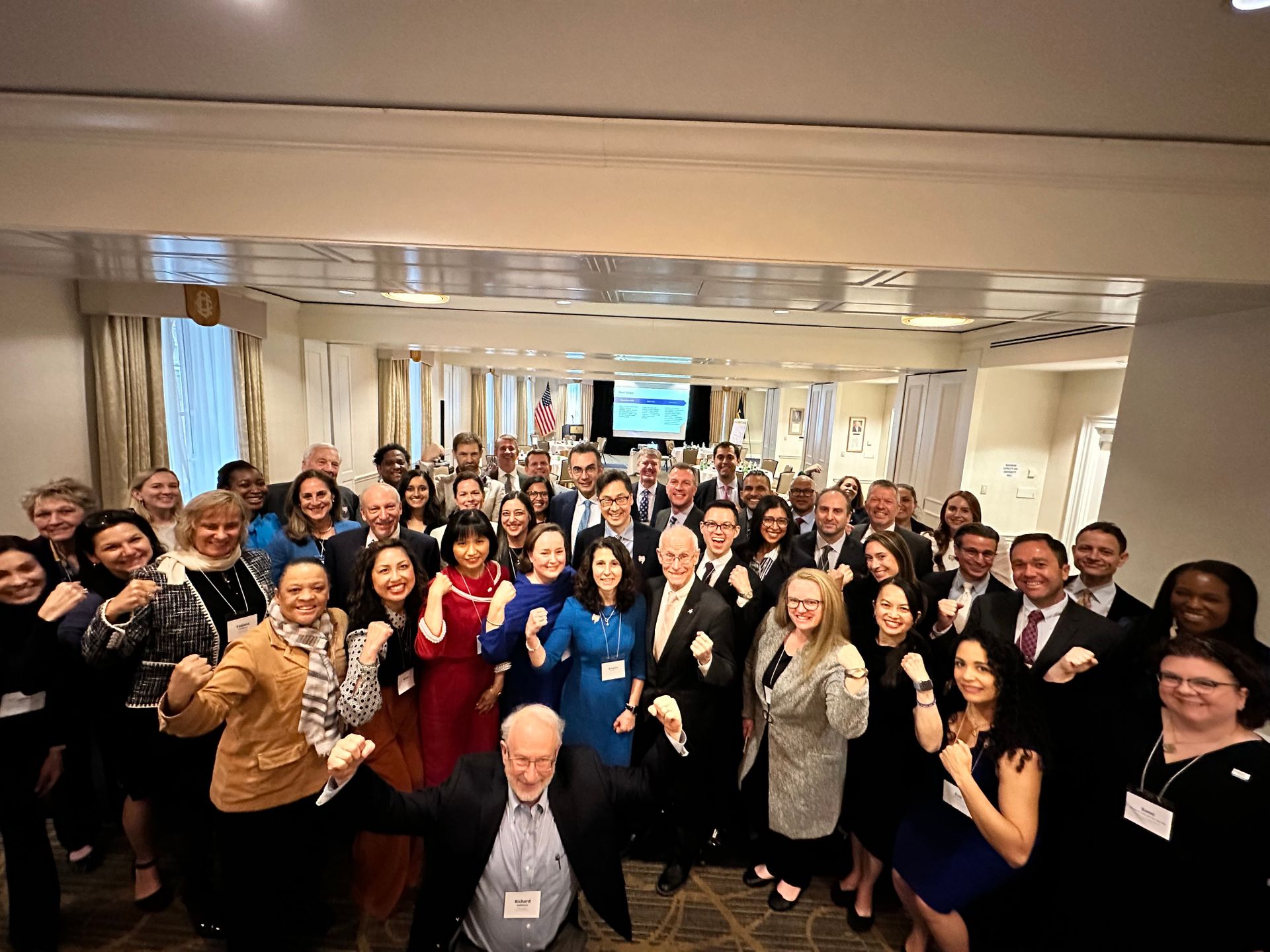
On March 10, 2023, the White House hosted the White House Cancer Moonshot Colorectal Cancer Forum to discuss progress and opportunities in colorectal cancer awareness, screening, access, and treatments. It was an incredible opportunity to have the colorectal cancer community, including patients and caregivers, highlighted at the highest levels of government. Fight Colorectal Cancer (Fight CRC) was honored to attend to discuss what this community has accomplished as well as highlight challenges and barriers that remain.
From day one, the focus of Fight Colorectal Cancer has been to ensure the patient voice is heard. It’s our belief that when leaders see and hear those impacted by their decisions, change occurs. On March 10, we continued to blaze the trail by joining colorectal cancer leaders, advocates, and industry partners at the White House Cancer Moonshot Colorectal Cancer Forum.
This forum continued to build on efforts that began in July 2022 when Fight CRC brought together a diverse group of stakeholders at the White House to discuss their common goal – to prevent and ultimately live in a world without colorectal cancer. Collaboratively, we are the catalyst that will continue to make significant progress against this deadly disease.
Working Group
Alongside the White House forum, Fight CRC hosted a working meeting focused on setting actionable goals and fostering collaboration to advance colorectal cancer screening.
This working group brought together patient advocates, business leaders, physicians, representatives from the Cancer Moonshot program, and federal agencies. See the full list of participants below:
Sami Abate, PhD, MSHS, MSN, RN, CCRN, CNML, Assistant Vice President, Nursing Excellence & Clinical Research, Inspira Health
Nasim Afsarmanesh, MD, Chief Health Officer, Oracle Health
Carolyn “Bo” Aldigé, Founder, Prevent Cancer Foundation
Lance Baldo, MD, Chief Medical Officer, Freenome
Kevin Ban, MD, Executive Vice President & Global Chief Medical Officer, Walgreens Boots Alliance, Inc
Andrew Barnell, MBA, Co-Founder & Chief Executive Officer, Geneoscopy Inc.
Austin Chiang, MD, MPH, Chief Medical Officer, Gastrointestinal, Medtronic
Kevin Conroy, JD, Chief Executive Officer, Exact Sciences
David Dirks, MBA, Vice President of Strategy, Intermountain Health
Mary Doroshenk, MPH, Senior Director, Advocacy and Alliance Relations, Exact Sciences
Cathy Eng, MD, FACP, FASCO, Director, VICC Young Adults Cancer Program, Vanderbilt University Medical Center
Riley Ennis, MS, MBA Co-Founder & Chief Product Officer, Freenome
Jackie Gerhart, MD, Vice President of Clinical Informatics, Epic
Richard Goldberg, MD, Professor Emeritus, West Virginia University
Owen Garrick, MD, MBA, Chief Medical Officer, Clinical Trial Services, CVS Health
Justin Guinney, PhD, Senior Vice President, Cancer Genomics, Tempus AI
Jody Hoyos, MHA Chief Executive Officer, Prevent Cancer Foundation
Julie Hamburg, MPH, Director, Patient Advocacy, Guardant Health
Rachel Issaka, MD, MAS, Physician and Colon Cancer Researcher, Fred Hutchinson Cancer Center
Tatjana Kolevska, MD, Medical Director, Kaiser Permanente Cancer Care, Kaiser Permanente
Kathryn Kundrod, PhD, Senior Advisor of Cancer Moonshot Policy Coordination, White House Office of Science & Technology Policy
Lisa Lacasse, MBA, President, American Cancer Society Cancer Action Network
Manoja Lecamwasam, MD, System Vice President, Intellectual Property and Life Sciences Innovation, CommonSpirit Health
David Lieberman, MD, Professor of Medicine, Oregon Health & Science University (OHSU)
Julia Liu, MD, Professor of Medicine, Morehouse School of Medicine
Abner Mason, Founder & Chief Executive Officer, SameSky Health
Fola May, MD, PhD, Associate Professor of Medicine, UCLA Health
Paul Mikulecky, MD, Vice President and Chief Medical Officer, CareMore Inc.
Arif Nathoo, MD, Co-Founder & Chief Executive Officer, Komodo Health
Angela Nicholas, MD, Chief Clinical Officer, North Region, Jefferson Health
Anne-Louise Oliphant, MPP Vice President of Communications, American College of Gastroenterology
Swati Patel, MD, Associate Professor of Medicine, University of Colorado Anschutz Medical Campus
Kimberly Powell, Vice President, General Manager Healthcare, NVIDIA
John Popp, MD, Medical Staff Lead, AMSURG
Victoria Reid, Vice President of Corporate Development, Freenome
David Rhew, MD, Global Chief Medical Officer & Vice President Healthcare, Microsoft
Lisa Richardson, MD, MPH, Director, Division of Cancer Prevention and Control, Centers for Disease Control and Prevention (CDC)
Lee Schwartzberg, MD, Head of Oncology, Renown Health
Brian Solow, MD, Chief Medical Officer, Optum Life Sciences
AmirAli Talasaz, PhD, Co-Founder & Co-Chi
Keynote Speakers
The meeting started with a welcome from Catharine Young, PhD, Assistant Director for Policy and Engagement for the Cancer Moonshot, whose mother is a three-time colorectal cancer survivor, and Andrea Palm, Deputy Secretary, U.S. Department of Health and Human Services (HHS). Palm discussed the importance of working across government agencies to increase colorectal cancer screening in all communities, as well as the importance of making up those screenings that were missed during the pandemic. Danielle Carnival, PhD, Deputy Assistant to the President for the Cancer Moonshot and Deputy Director of Health Outcomes at the White House Office of Science and Technology Policy, shared remarks about the Cancer Moonshot goals, and the progress made.
NBC News Anchor, Craig Melvin, shared his experience with his brother, Lawrence, diagnosed with stage IV colorectal cancer in 2016. Lawrence passed away at age 43 in December 2020, and Melvin has used his platform to be an advocate for the colorectal cancer community ever since.
Finally, singer, artist, and colorectal cancer caregiver, Simone Ledward Boseman, shared her personal story of love and loss of her beloved husband, Chadwick Boseman. She spoke about the seemingly glamorous life they were living publicly, while privately they were navigating not only the challenges of cancer treatment, but also the fear that his health condition would become exposed and a topic of tabloid gossip.
“He was 39 – 11 years away from what at the time — would have been his first regular colon cancer screening.” –Simone Ledward Boseman
Boseman shared her frustration and heartbreak of not knowing about the impact of colorectal cancer on Black men and women, not knowing what to look for, and that a simple test could have potentially saved his life. She stressed how important access and information is to saving lives.
Panel 1: A Discussion on Access to Colorectal Cancer Screening
The first panel was moderated by Brooks Bell, an early-age onset colon cancer survivor, CDC Foundation Board Member, and Lead from Behind Founder, and focused on colorectal screening and prevention. The panel included the following speakers:
Anjee Davis, MPPA, President, Fight Colorectal Cancer
Lisa Richardson, MD, MPH, Director, Division of Cancer Control and Prevention, Centers for Disease Control and Prevention
Karen Knudsen, MBA, PhD, Chief Executive Officer, American Cancer Society and American Cancer Society Cancer Action Network
Michael Sapienza, Chief Executive Officer, Colorectal Cancer Alliance
Key themes that emerged throughout the discussion were the importance of focusing on health equity and working with local communities to inform and engage people to get screened. Broad awareness campaigns are important for reducing stigma tied to colorectal cancer, but one person telling their story is so powerful for activating someone to action and screening. People want to see real people who have had the same issue or know someone who has.
“We must tackle the second leading cause of deaths in our country and hold our leaders accountable to investing in this cancer because we have to be able to provide access to care for all. We can do that by leveraging the power in this room. We need a long-term investment in access to quality of care.” –Anjee Davis
There was agreement among the panelists that all screening modalities have the potential to save lives and so we need to work to educate the public to not only raise awareness but also help them understand their options.
Dr. Richardson emphasized the importance of going into the communities to learn what people need. Learn what language they speak and the words that are important to them. Meeting people where they are is crucial. Equally important is addressing the barriers to screening such as providing paid time off for a colonoscopy or potentially having a screening site during non-traditional hours to allow people to navigate their work schedule.
“There’s great research out there that shows if you only offer a FIT test, if you only offer a colonoscopy, people will walk away. Because they want choice. They want to do the thing that they feel is best for them, and what they need to do. So in our programs [at the CDC], that’s what we do.” –Dr. Lisa Richardson
The panelists also discussed the importance of including primary care physicians in the process of determining what a person’s screening plan should look like based on age and family history. They also discussed the importance of optimizing electronic health records to better support the screening process.
Panel 2: Improving Access in All Communities
The second panel was moderated by Candace Henley, CPN, 20-year colorectal cancer survivor diagnosed at age 35, and Chief Surviving Officer and Founder of the Blue Hat Foundation. The panelists, who discussed how to address disparities in colorectal cancer, included:
Matthew McCurdy, Co-founder and President, BLK Health
Fola May, MD, MPH, Assistant Professor of Medicine and Director of Quality Improvement in Gastroenterology, UCLA
Jim Mccrae, MA, MPP, Associate Administrator, Bureau of Primary Health Care Health Resources and Services Administration
Elmer Huerta, MD, MPH, Director, Cancer Preventorium, MedStar Washington Hospital Center
Dr. May spoke about the difficulties facing federally qualified health centers (FQHCs), which provide care for people who are of low income or may lack insurance. She explained that FQHCs are often not part of an integrated health system, and therefore, sometimes struggle to connect patients to gastroenterologists when they need a colonoscopy. While stool-based screening tests are useful tools, if a patient receives an abnormal result, they require follow-up with a colonoscopy to complete the screening process.
“We are at a rapidly changing landscape for colorectal cancer, not only in who it’s presenting and how, but also the technologies that are about to hit the stage. So if we don’t consider equity as we roll out those technologies, we will worsen disparities.” –Dr. Fola May
McCrae explained that when the funding for FQHCs is increased, it’s because the health centers were able to measure and show impact. Additional funding can help support extended hours and provide additional resources to the communities.
The importance of community engagement was at the heart of Dr. Huerta’s remarks. Dr. Huerta works within the Latino community, and he said that 30 years ago, most of his patients were solely treated with chemotherapy and passed away because they were too advanced to be cured by the time they came to his clinic. By speaking about prevention and screening, and meeting people where they are in their communities, Dr. Huerta was able to increase the number of patients who were screened for colorectal cancer.
BLK Health serves as a translator of information and also partners with community organizations who can deliver messages to communities in a way that is meaningful to them. McCurdy gave an example that a message to Black people living in Houston, Texas, will be different from a message to Black people living in Atlanta, Georgia.
“We know that when information comes out, it comes out at a certain level. But low-income communities and underserved communities of color often miss information. … How do we get information into the hands of people that actually need it?” –Candace Henley
The panel also discussed the importance of including rural areas, LGBTQ populations, and persons with disabilities in discussions around health equity. Dr. May emphasized the need for improved metrics and data collection. Focusing on the LGBTQ community: We do not have numbers, and we do not measure gender identity. Currently information about gender identity and sexual orientation is not collected on government health forms, clinics or hospitals. Unless we have metrics to support that there are differences and disparities, we cannot find and disseminate solutions. For rural populations, access to high quality care is a challenge. Patient navigation is crucial in underserved populations since a patient navigator could guide someone through tests or screening, talk them through the prep process, and assist them with access to treatment and care.
Panel 3: Advancements in Targeted Treatments
The third and final panel was moderated by Nilo Azad, MD, Co-Leader, Cancer Genetics and Epigenetics and Developmental Therapeutics, Johns Hopkins Sidney Kimmel Comprehensive Cancer Center, and panelists discussed opportunities for improving treatment options for colorectal cancer patients. The panel included:
Arif Nathoo, MD, CEO and Co-Founder, Komodo Health
Phuong Gallgher, President, Colon Club; Research Advocates Training Support (RATS) Program Manager, Fight CRC; and stage IV, 15-year rectal survivor diagnosed at age 29
Elad Sharon, MD, MPH, Medical Oncologist, Cancer Therapy Evaluation Program, National Cancer Institute
Cathy Eng, MD, FACP, FASCO, Professor of Medicine; Co-Leader, VICC Gastrointestinal Cancer Research Program; David H. Johnson Chair in Surgical and Medical Oncology; Co-Director, GI Oncology; Director, VICC Young Adults Program; Co-Chair, NCI Gastrointestinal Steering Committee, Vanderbilt University Medical Center
Dr. Nathoo spoke about how real-world data is integral to patient health care because it presents an opportunity to look at the composition of a population and to see the entire journey of a patient. Dr. Nathoo noted when you do this on a large scale, it becomes impossible not to see the level of disparity with colorectal cancer and having that data makes it possible to drive intervention.
Dr. Sharon discussed his work in early drug development at the National Cancer Institute and acknowledged that although there has been great work to date on colorectal cancer, more work needs to be done. He highlighted that there have been decades of missed opportunities of doing more to alleviate side effects, such as peripheral neuropathy in patients. There is a need to use the information from clinical trials and electronic records to better drive innovation in cancer.
Dr. Eng spoke about her work in conducting clinical research with a focus on early onset colorectal cancer. Dr. Eng discussed the importance of personalized medicine (precision oncology), but acknowledged that one of the challenges is that it requires us to break colorectal cancer down into small subsets requiring many patients to be screened to identify those who could potentially benefit from enrolling in clinical trials. To get patients to enroll in clinical trials is also a challenge so we need to do more to make it easier for patients to participate, since less than 10% of patients enroll in clinical trials. Telehealth was mentioned as a way to be able to work with patients to give them access to participate in clinical trials.
Gallagher spoke about leveraging technology, such as telehealth, to help increase access to clinical trials and care by helping patients “cross state lines.” This was used successfully during the COVID-19 pandemic, but now the emergency provisions have ended, many of these flexibilities are going away. Another challenge for patients to enroll in clinical trials is affordability. If patients cannot get reimbursed for the cost of time lost from work and travel, many may not be able to participate in clinical trials. All patients deserve access and affordability to quality care and clinical trials.
Dr. Sharon spoke about ways to innovate so more patients could participate in clinical trials. Currently NCI brings clinical trials to patients in their local communities through cooperative groups. Finding the right clinical trial for patients could lower costs, increase access, and improve outcomes.
The panelists also discussed the importance of educating patients about clinical trials and dispelling myths about clinical trials being a “last resort.” By educating patients through conversations, Gallgher pointed out that doctors could increase enrollment, retention, and screening (for potential participation) for clinical trials. Gallagher also noted that clinical trials tend to be thought of in terms of “saving my life,” so trials that are not directly lifesaving but could improve quality of life tend to get lost.
Finally, the panel closed out by discussing what they would do with $5 billion dollars. Ideas included democratizing access to data to help people get to better treatment, faster; to highlight the disparities and address them; to share across public and private institutions and to do it for patients; getting into the communities and providing support throughout the patient journey with navigators; government PSA campaigns normalizing discussion of colon and rectum health; learning more about circulating tumor DNA; and greater reimbursement for NCI-sponsored studies to engage more institutions with the NCI and CDC clinical trials process. Aa
What’s Next?
The forum concluded with remarks from Danielle Carnival, PhD, Deputy Assistant to the President for the Cancer Moonshot. She thanked the participants saying, “I heard a lot of progress, heart, and hope. But I also heard a lot about how much we have left to do.”
Dr. Carnival charged everyone to “focus on how the world must be different when we come together again next March as part of Colorectal Cancer Awareness Month to have made our precious time together here worthwhile.”
And Fight CRC plans to do just that.
Published August 5, 2025
By Elsa Lankford, Fight CRC Research Advocacy Trainings and Support (RATS) Program Member & Clinical Trial Curator
If you’re living with or caring for someone with microsatellite stable (MSS) stage IV colorectal cancer, you’ve probably heard this frustrating line before:
“Immunotherapy doesn’t work for MSS.”
That’s been the reality for years. While immunotherapy has made a huge difference for a small group of patients with MSI-high colorectal cancer, the vast majority —over 95%—are MSS. And they’ve had very few options once standard treatments stop working.
But some exciting new research presented at the ESMO GI 2025 conference is giving reason to hope.
What’s New: A Promising Combo Called Botensilimab + Balstilimab
At the conference, a group of respected researchers—including Dr. Benjamin Schlechter from Dana-Farber—shared results from a clinical trial testing an immunotherapy combination:
Botensilimab (Bot): a newer kind of checkpoint inhibitor that helps kickstart the immune system
Balstilimab (Bal): a checkpoint inhibitor that helps keep that immune response going
Together, they aim to turn “cold” tumors, like most MSS tumors, into “hot” ones that the immune system can recognize and attack.
The researchers looked at patients who had already been through many treatments. Some were on their third, fourth, or even fifth line of therapy. Many had already tried chemotherapy like regorafenib or TAS-102, and some had even tried other immunotherapies.
Who was in the trial?
Here’s a simple snapshot of the patients in this study:
123 total patients with MSS colorectal cancer
All had no active liver metastases, which can help immunotherapy work better
About 30% had tried four or more treatments
Around 15–30% had already tried immunotherapy
None had high tumor mutation burden (TMB), which sometimes helps immunotherapy work better
These were patients who were running out of options—and looking for hope.
What Did the Results Show?
The results were surprisingly encouraging for a group of patients who’ve often been told “there’s nothing left.”
20% of patients had their tumors shrink by at least 30%
That’s 1 in 5 people seeing a meaningful response.
3 people had a complete response (tumors disappeared), including one person in the most heavily treated group
50% of patients had stable disease
That means their cancer didn’t shrink, but it also didn’t grow
About 70% of patients got some form of disease control
For those who responded, the benefit lasted a long time—over 16 months
Median overall survival was almost 21 months—even in patients who had already been through 4 or more treatments
For MSS colorectal cancer patients, these results are some of the most promising seen with immunotherapy.
Side Effects
All cancer treatments come with side effects, and this one is no different. But overall, they were manageable:
About 6 in 10 patients had some side effects related to the immune system
The most common side effect was diarrhea or colitis (inflammation of the colon)
About 3 in 10 patients had more serious side effects (grade 3)
Only one person had a very serious (grade 4) side effect
No one died from treatment-related side effects
The more serious side effects were seen more often with higher doses. Doctors are learning more about how to manage this as the trials continue.
Why This Matters
If you or your loved one has MSS colorectal cancer and has already tried multiple treatments, this trial offers something rare—hope.
These results show that immunotherapy might finally be on the horizon for MSS patients, especially those without active liver metastases. Even stable disease gives patients time: time to enter another trial, explore a new option, or even return to a treatment that may now work better because the immune system has been “revved up.”
What’s Next?
Because the early results were so strong, the drug maker (Agenus) plans to start a Phase 3 trial by the end of 2025. This larger trial could bring botensilimab + balstilimab one step closer to FDA approval.
Right now, this drug combo is only available in clinical trials. But trials are open, and there may be one that’s a match for you or someone you care for.
You can search for trials using this combo on the Fight CRC Clinical Trial Finder: https://fightcolorectalcancer.org/resource/trial-results/?drug%5B0%5D=botensilimab
A Personal Note from a Care Partner
My name is Elsa, and I’ve been a caregiver, trial curator, and proud member of Fight CRC’s Research Advocacy Trainings and Support (RATS) Program for several years.
This trial stood out—not just for the science, but because it represents real progress for patients who’ve had very few options. I’ve seen firsthand how much every extra month, every slowed scan, every new option matters to patients and their families.
This is why research matters. This is why funding matters. And this is why we advocate.
If you’re a colorectal cancer patient, you might have seen the acronyms “MSI” and “MSS” in reference to tumor testing. Colorectal cancer tumors are often referred to as having an “MSI status,” meaning they will either be MSI or MSS – they will not be both.
All colorectal cancer patients should get their tumors tested and know their MSI status. Talk to your oncologist and surgeon.
Your doctor will be the one to request a test to determine your MSI status. This often occurs during the surgery that removes your tumor, but it can be done afterward as well if it was not initially performed. The outcome of your test will show your MSI status as either “MSI-high (MSI-H)” or “MSS (non-MSI).”
MSS
MSS stands for “Microsatellite Stable.”
Approximately 80-85% of colorectal cancer patients are not MSI-H/MMR deficient and are instead classified as MSS.
MSS tumors have been referred to as “cold” tumors, which means they don’t normally trigger a strong response from the body’s immune system. In terms of the number of tumor genetic mutations, MSS tumors are typically less mutated than MSI-H tumors. In general, non-MSI tumors do not respond to immunotherapies.
These tumors often exist in an environment that suppresses the immune system. Research continues to study ways to effectively treat MSS tumors.
If you have MSS metastatic disease, request testing for additional biomarkers including KRAS/NRAS, BRAF, and HER2. Knowing your biomarkers can help your doctors identify your best treatment options and help you make well-informed decisions about how your cancer will be treated.
Learn more about the MSS biomarker.
MSI-H
MSI stands for “Microsatellite Instable.” MSI-H means that there is a high amount of instability in a tumor.
MSI-H results when genes that regulate DNA (called Mismatch Repair Genes) don’t work correctly. Mismatch Repair Genes (MMR) work like genetic “spell checkers” by correcting errors in DNA as cells divide, similar to how “spell checkers” correct typos on a computer.
When MMR genes stop functioning at their highest potential, areas of DNA could start to become unstable due to the errors.
An MSI screening test looks for changes in the DNA sequence between normal tissue and tumor tissue and can identify whether or not there is a high amount of instability, which is called MSI-High.
MSI-High is found in about 15% of CRC tumors. It is often in tumors associated with the hereditary syndrome, Lynch syndrome, though many MSI-High tumors are sporadic (not due to a hereditary syndrome). Patients who test MSI positive are considered to have an MSI-High tumor.
An additional test (immunohistochemistry test) is often used to make the distinction between hereditary and nonhereditary MSI-High because if it is hereditary (meaning the patient has Lynch syndrome) there is a risk that their family members could also have it, therefore is an increased chance of developing colorectal or other tumors. If Lynch syndrome is the cause of an MSI-High tumor in a patient, their immediate family members can talk to their doctors about testing for Lynch syndrome.
MSI-high tumors can attract the attention of the immune system. Under a microscope, large numbers of immune system cells can often be seen in these tumors. The immune cells are just being blocked from fully doing their job. Many patients with MSI-H tumors have had a positive response to immunotherapy treatments (or immune-checkpoint therapies). Therefore, knowing your MSI status is extremely important prior to selecting a treatment.
Read more about the MSI-H biomarker.
More about Biomarkers
MSI and MSS are two biomarkers out of many that can impact a colorectal cancer patient’s treatment plan. Learn more about all the biomarkers and how to ensure you get tested.
Published August 25, 2025
HAI (hepatic artery infusion) pump therapy is a potential treatment option for patients diagnosed with stage IV colorectal cancer which has metastasized (spread) to the liver.
Colorectal cancer is the third most frequently diagnosed cancer in the United States among men and women, and when men and women are combined, it is the #2 cause of cancer death.
Ultimately, over 50% of patients diagnosed with CRC will develop liver metastasis.
Traditional chemotherapy is “systemic,” which means it is administered and distributed throughout the entire body. HAI pump therapy is different in that it delivers chemotherapy directly to the liver, providing up to 400 times greater drug concentration where it is needed. It accomplishes this by delivering chemotherapy to the hepatic artery, which supplies blood to the liver.
How HAI Pump Placement Works
HAI pump surgery is a minor procedure that places the port in the abdomen just below the skin, somewhat like a port that is used for traditional chemotherapy. The pump is then filled with the drug being used to treat the tumors in the liver, slowly delivering medication at a constant rate.
The pump is powered by body heat and refilled every two weeks during active treatment. The pump can be filled with an inactive fluid during treatment breaks.
Benefits of HAI Pump Therapy for Liver Metastases
For patients with mets to the liver that cannot be surgically removed, HAI pump therapy may be an option to help prevent the tumors from growing, and in some cases even shrinking them, which may prolong survival and help them become a surgery candidate.
For patients that have had their tumors surgically removed, HAI therapy may help prevent new tumors from forming and may prolong survival.
Possible Side Effects of HAI Pump Therapy
No therapy is without side effects, including HAI therapy. However, patients generally report fewer chemotherapy related side effects when compared to traditional systemic chemotherapy. Possible side effects include:
Nausea
Vomiting
Diarrhea
Elevated liver enzymes
It is important to follow all instructions given by your provider. While you can remain active with an HAI pump, you should rough physical activity that may damage the pump. You should also avoid scuba diving, and be careful to avoid activites that may increase your body temperature, such as using a hot tub, during active treatment, as this can alter the medication flow rate.
How to Receive HAI Pump Chemotherapy
HAI therapy is administered by a physician specially trained to do so. There are several centers across the U.S. now offering this treatment option.After placement of the pump, the pump will be managed by the provider, who will refill the pump and decide on a course of treatment.
Success Stories with HAI Pump Therapy
“My experience with the Hepatic Artery Infusion (HAI) pump was truly life-changing—and, without question, life-saving. From the moment it was implanted, I not only remained cancer-free, but I was able to fully live my life in ways I never imagined possible during cancer treatment. I continued running, working out, and staying active. One of the greatest advantages of the HAI pump was the absence of the debilitating systemic side effects I experienced with traditional chemotherapy. The treatment targeted my liver directly, which meant my other organs were spared from the harmful effects of chemotherapy. That fact proved critical to my survival. A year later, I unexpectedly went into liver failure due to biliary inflammation. Because the rest of my body had been spared from chemo-related damage, I was strong and healthy enough to undergo a living donor liver transplant. The HAI pump quite literally became the bridge that kept me cancer-free and in peak enough condition to qualify for groundbreaking transplant research at Cleveland Clinic. Now, nearly nine years later, I have no lingering complications from the pump or the treatment, aside from a small hernia that will be repaired soon. The HAI pump didn’t just save my life—it gave me back my life while I was fighting for it.”
Carole Motycka, Stage IV Survivor
Next steps
If you have colorectal cancer with metastasis to the liver, HAI therapy may be an available treatment option. Talk to your oncologist to learn more.
Fight Colorectal Cancer has received funding from Intera Oncology (now part of Boston Scientific), the producers of HAI Therapy,in the form of unrestricted educational grants. We maintain ultimate authority over website content and the content written in this article.
Published April 10, 2025
Ever since the dawn of colonoscopy, nearly all patients have been advised to go on a clear liquid diet the day before a procedure and to avoid any solid foods. But new multi-society guidance suggests another way.
We highlighted this idea several years ago when Dr. Jeff Scott from Happy Colon Foods presented a way for colonoscopy prep to “not suck,” where he showed studies indicating a low-residue diet would not only make “prep day” more comfortable, but it would result in a sufficient colon cleanse. After undergoing a thorough review, the U.S. Multi-Society Task Force on Colorectal Cancer updated their official recommendations for bowel prep prior to a colonoscopy. These were published in the March 5, 2025 issue of Gastroenterology.
When it comes to what you can eat the day before a colonoscopy, the updated recommendations state:
“We recommend limiting dietary restrictions to the day before a colonoscopy, relying on either clear liquids or low-fiber/low-residue diets for the early and midday meals.”
This is a major change for patients who struggle to fast and follow the clear liquid diet the day before a colonoscopy.
“We know that a huge barrier to completing colonoscopy is the prep,” said Swati G. Patel MD, MS, CGAF. “If we can make the process just a tad easier, it can go a long way towards improving screening rates.”
Clear liquid diet for colonoscopy prep
The updated recommendations do not eliminate the suggestion of following a clear liquid diet prior to a colonoscopy. The following would fall under this category:
Water
Coffee and Tea (no cream or sugar)
Broth
Apple juice or white grape juice (nothing with pulp)
Ice slushies and Popsicles (no red/orange/blue dyes)
Jello (no red/orange/blue dyes)
Gatorade, PowerAde and other electrolyte drinks (avoid red/orange/blue dyes)
Sparkling water
Sprite, 7-Up, Ginger Ale and other sodas
And for those who are wondering if Diet Coke counts as a clear liquid, the answer is YES!
Low fiber diet for colonoscopy prep
But now, you may be able to eat a low-fiber breakfast and lunch the day before your colonoscopy. It will be important to err on the safe side. If you have any questions about if a food is low fiber or not, ask your doctor or avoid eating it, and choose an option you’re certain is on the list.
What foods are part of a low fiber diet? Anything with whole grains, nuts, seeds, and skins are NOT low fiber. Generally, canned or cooked foods are allowed, but not raw or dried fruits or veggies.
Here’s a quick list of what you could safely eat for breakfast and lunch (before 2pm) on the day before a colonoscopy:
Eggs, chicken, or fish
Milk, cheese, and yogurt
Bananas, applesauce, or other ripe, seedless fruits
Strained juices (no pulp!)
White bread, white rice, saltine crackers, Ritz crackers
Cream of Wheat or grits
Rice or puffed cereals, or corn flakes
Cooked vegetables without seeds
Avocado
Most sauces and condiments are OK (except the fruit jellies with seeds)
How does a low fiber diet help with colonoscopy prep?
Some people have a hard time fasting the day before a colonoscopy, and a low-fiber diet may help curb hunger and make prep night more tolerable.
Research shows that when comparing patients who followed a clear liquid diet to those who ate a low fiber diet on the day before a colonoscopy, both patient groups had sufficient preps that meant the doctors could perform the colonoscopy.
However: It was critical for the patients to follow all prep instructions, and to take all the prep product.
“Our goal is to prescribe a prep that is the least painful for our patients, but still achieves a high-quality cleanse so we can get a good look,” Dr. Patel said. “We often have to customize the prep for patients. It is important to share your full medical history and medication list with your colonoscopy doctor’s office. There are certain medical conditions and medications that slow down the bowels. In these scenarios, eating solids prior to your procedure may not be a good idea and you may even need a more aggressive prep. Based on your specific situation, the doctor’s office will recommend a prep that is compatible with your medical issues and has the highest chance of producing a good quality prep. In the end, the most important thing is to follow the instructions to minimize the risk of missing a polyp, or having to repeat the colonoscopy due to suboptimal prep.”
Colonoscopy diet is very important
A colonoscopy prep diet is very important, as it’s part of what makes a colonoscopy lifesaving. While this guidance does ease up on the clear liquid diet the day before a colonoscopy, it’s important to work closely with your doctor and eat mindfully and cautiously. When in doubt, stick to clear liquids so your colon will be as clean as possible.
Why?
A cleansed colon will give your gastroenterologist a good look, ensuring nothing is missed. It will also help you avoid an incomplete prep, which leads to needing to redo prep night, reschedule your procedure, and possibly pay more.read our experts tips
Published September 5, 2022
The DEA is warning consumers about counterfeit drugs, including fake Adderall advertised on the Internet.
The fake pills are not made by Teva Pharmaceuticals or other legitimate pharmaceutical companies, contain none of the active Adderall ingredients, and instead have ingredients that may be dangerous, such as fentanyl or methamphetamine.
Adderall is a stimulant approved by the FDA to treat attention deficit disorder and narcolepsy but is occasionally prescribed off-label for cancer-related fatigue.
If something looks “off” about your medication or its packaging, you may be in possession of counterfeit drugs. Be on the lookout for misspellings on the packaging or differences in pill markings, shape, or color from what you are familiar with.
Resources for Keeping Yourself Safe from Counterfeit Drugs
If you are unsure about the authenticity of your medication, there are a variety of free tools available on the internet to help you verify that your medication is real and manufactured by FDA approved pharmaceutical companies.
The FDA provides information and resources on how to keep yourself safe from counterfeit drugs, and what to do if you suspect the drugs you have are fake. You can also contact the FDA’s Office of Criminal Investigations (OCI) at 800-551-3989 if you believe you have received counterfeit Adderall or other drugs.
Unpacking Laxatives
Patients who have purchased counterfeit Adderall should not take it and talk to their doctors about obtaining the right medicine. With so many drugs in short supply right now, the FDA warns patients to be particularly careful when buying medicine on the Internet.
The Bottom Line About Fake Adderall
Most patients think the prep was specifically chosen for them by their doctor. The actual truth is most patient’s preps are chosen by the scheduler from a list of OTC and prescription preps OK’d by the doctor. Schedulers are either medical assistants or nurses that are typically office-based. Unfortunately, because they are primarily in the office, they do not get much exposure to the actual colonoscopy experience. They also do not get to hear the patient’s colonoscopy prep stories, and if they had any significant difficulties. Because of these factors, schedulers may choose colon preps based on some misperceptions.
One of the most common misperceptions is the cost of the prep. Rightfully so, many schedulers tend to be very cost-conscious and frequently use that to choose preps. Schedulers are commonly informed by industry reps that a prescription prep is “covered” by insurance. This can be easily misunderstood to mean the prep has “no cost” to the patient. What this means is insurance pays a portion of the cost, but the patients typically have a copay, and it is almost impossible to know what that amount is until the patient is at the pharmacy. In a quality improvement project for our office, we asked 500 patients with insurance what was their copay, or out-of-pocket expense, for their prescription prep. We found that patient copays ranged widely from $0-$165, with an average copay of $72 for their prescription prep. So “covered” does not mean free.
Published March 9, 2020
Springfield, Missouri, March 09, 2020 (GLOBE NEWSWIRE) — Fight Colorectal Cancer (Fight CRC) will bring colorectal cancer (CRC) patients, caregivers, and advocates together on March 15-16 for Virtual Call-on Congress, to connect with researchers, legislators, and other experts in the field to talk about the personal impact of colorectal cancer and the importance of funding colorectal cancer research and prevention efforts.
Colorectal cancer (CRC), which embraces colon and rectal cancers, is the second-leading cause of cancer deaths for men and women combined in the United States. While the disease typically impacts an older population, over the last decade there has also been an unexplained increase in colorectal cancer incidence among those under the age of 50, prompting the American Cancer Society to recommend colorectal cancer screening begin at age 45 instead of 50 for those at average risk.
Call-on Congress is an annual advocacy event, hosted by Fight CRC and typically held in Washington, D.C. Due to the spread of COVID-19 (Coronavirus), this year’s event will be fully hosted online with live-streamed expert panels, training on how to engage legislators and a Virtual Hill Day that connects advocates with Congress through email and social media. The virtual event will allow a greater number of advocates to participate and to bring what they learn into their local communities.
“We are relentless in spreading awareness about the importance of colorectal cancer screening. Call-on Congress allows us to influence policy that supports colorectal cancer initiatives at a higher level,” says Fight CRC advocate Marsha Baker, who lost her father to colon cancer. “We were able to take everything we learned at Call-on Congress, and make a real impact on increasing the screening rates in Oregon.”
Fight CRC advocates will champion the need for robust, sustained investment in colorectal cancer research and prevention. The majority of cancer research in the United States is federally funded. A legislative priority for Fight CRC advocates is to see Congress direct federal funds towards lifesaving medical research, specifically for colorectal cancer.
“Call-on Congress has been Fight CRC’s flagship advocacy event for 14 years. Our advocates have built a fantastic track record with legislators as relentless champions of hope committed to policies aimed at reducing the over 53,000 colorectal cancer deaths expected this year alone,” said Fight CRC Director of Advocacy Molly McDonnell. “We are excited to expand our event reach in 2020 and create a Virtual Call-on Congress which provides the whole colorectal cancer community with an opportunity to make a real difference in the fight against this preventable disease.”
Fight CRC’s Call-on Congress is sponsored by Exact Sciences, Genentech, Merck, Genentech, NoShave November, Foundation Medicine, Quicken Loans, Turtle Beach, EpiPro Colon, and The Majeski Foundation.
Published March 10, 2022
When you think of colorectal cancer, you most likely imagine a patient who is older, as the average diagnosis age is 68 for men and 72 for women. Currently, the recommended age to begin screening for average risk individuals is 45. However, the reality is that people under the age of 45 can develop colorectal cancer as well.
There is a lesser-known risk factor for colorectal cancer – toxic exposure – that may contribute to cases of colorectal cancer.
For most of the past century, industrial workers and military members regularly came into contact with carcinogenic agents, or agents that are known to cause cancer, such as asbestos, polyfluoroalkyl substance (PFAS), benzene, Agent Orange, dioxins, lead, burn pits, and polychlorinated biphenyl (PCBs).
If you were exposed to one of these toxic agents, having a colonoscopy or other screening method is the only way to prevent or timely diagnose colorectal cancer.
Colorectal Cancers Among Veterans Due To Toxic Environments
During the past century, members of the military frequently were exposed to carcinogenic agents. Over the course of the Vietnam War, military members on active duty were exposed to Agent Orange, a dangerous herbicide mixture containing dangerous chemicals known as dioxins that was sprayed over forests and foliage. Another important toxic agent is PFAS, which is a group of chemicals that have been released into the environment of military bases since 1966 due to firefighters and trainees using the fire suppressant known as Aqueous Film Forming Foams. PFAS are extremely toxic and currently contaminate over 700 military bases in the country.
Numerous veterans who spent time on duty in Afghanistan developed colorectal cancer, which in part may be due to frequently inhaling the acrid fumes released by burn pits. Electronics, food wrappers, metals, and soiled uniforms were just some of the items that were set on fire using jet fuel. Abundantly present in the military, asbestos was another toxic agent endangering the health of military members. It could be found nearly anywhere in the military, from ships to barracks. There were over 300 asbestos products aboard every U.S. Navy ship. Everyone who was aboard U.S. Navy ships unavoidably inhaled and ingested toxic fibers.
Occupational Exposure in Colorectal Cancer
By virtue of the many convenient properties asbestos has, it should come as no surprise that asbestos was also present in industrial settings. Since the early 1920s, major companies that used asbestos had been striving to hide the negative health consequences of exposure from workers, conspiring to keep employing asbestos, oftentimes putting financial profit over the health of employees. As a result, millions of employees from over 70 occupational groups were exposed to asbestos to a certain extent. The workers who were regularly exposed to high airborne concentrations of asbestos include construction workers, shipyard workers, and textile mill workers.
Besides asbestos, there were many other toxic agents people working in industrial settings were exposed to, such as PCBs. Until 1976, when they were banned, PCBs had been manufactured in the U.S. on a large scale and used as insulation, coolants, and lubricants in transformers, electrical appliances, capacitors, and old fluorescent lighting fixtures. People who were responsible for manufacturing these products were inevitably exposed, which increased their risk of developing colorectal cancer.
Medical Errors Can Delay the Diagnosis of Colorectal Cancer
Because a significant number of veterans and former industrial workers develop colorectal cancer before reaching the recommended screening age of 45, medical specialists are inclined to overlook the possibility that these patients could, in fact, suffer from this disease. For instance, a veteran with colorectal cancer may initially be misdiagnosed with irritable bowel syndrome, as their symptoms, including blood in the stool and abdominal pain, are consistent and common with both health problems.
What is unsettling is that for years the patient could go about their life without knowing that they actually have cancer. Usually, in people who are considered too young to have colorectal cancer by the medical community, the disease is found accidentally, such as during a CT or MRI scan. In addition to irritable bowel syndrome, the most common misdiagnoses for colorectal cancer include diverticulitis, ulcerative colitis, and hemorrhoids. The most frequent medical errors leading to misdiagnoses in patients with colorectal cancer are the following:
failing to identify and remove a polyp at colonoscopy
failing to visualize the entire colon during a colonoscopyfailure to adequately follow up on the results of a colonoscopy
failure to recommend a colonoscopy to a patient with symptoms
In most cases, colorectal cancer grows slowly over a period of several years, usually beginning as small benign growths, medically known as polyps. Removing a polyp early, before it becomes malignant, prevents it from developing into cancer. This is the reason why colonoscopy helps prevent the development of colorectal cancer.
Additionally, colonoscopy can lead to diagnosing colorectal cancer in the early stages before it has spread to other tissues and organs. The difference in prognosis when cancer is detected early versus when it is found in advanced stages is tremendous – the five-year survival rate is 90% in the former case, whereas in late stage colorectal cancer survival rate is lower than 14%.
It is also important to support additional colorectal cancer research to develop improved screening techniques and better treatment options. The Department of Defense conducts medical research through its Congressionally Directed Medical Research Program. Fight Colorectal Cancer is working with champions in Congress to create a Colorectal Cancer Research Program.
For over 25 years, Environmental Litigation Group, P.C., has been assisting people whose health was affected by toxic exposure with recovering compensation from the responsible companies. The law firm has recently launched the Heroes and Sacrifices campaign, through which you can request a gift basket if you are a former industrial worker or a veteran.
Published March 12, 2024
The Nation’s Leading Colorectal Cancer Advocacy Organization Amplifies Voices of Colorectal Cancer Survivors, Caregivers, and Loved Ones to Drive Policy Change.
WASHINGTON, D.C. – In a powerful display of unity, Fight Colorectal Cancer (Fight CRC) is hosting the 18th Annual Call-on Congress event, bringing together over 200 colorectal cancer survivors, caregivers, and loved ones. This landmark advocacy initiative aims to elevate personal stories and press for increased funding and support to combat colorectal cancer (CRC).
Colorectal cancer, encompassing colon and rectal cancers, stands as the second-leading cause of cancer deaths for both men and women combined in the United States. Despite traditionally affecting an older demographic, there has been an alarming rise in CRC incidence among individuals under the age of 50 over the last decade. A 2021 JAMA study projects that by 2030, colorectal cancer will claim the lives of those aged 20-49, becoming the leading cause of cancer deaths in this age group.
Advocates participating in the Call-on Congress event will engage with members of Congress, sharing their personal experiences with colorectal cancer and championing critical initiatives, including:
$51 Million for the CDC’s Colorectal Cancer Control Program (CRCCP): Empowering the CDC to expand its work to increase colorectal cancer screening rates among the nation’s most vulnerable populations through the implementation of evidence-based interventions.
$20 Million to Establish a Colorectal Cancer Research Program within the Department of Defense (DoD) Congressionally Directed Medical Research Program (CDMRP): Addressing the absence of dedicated research funding for colorectal cancer within the CDMRP, despite it being the second-leading cause of cancer death.
Encouraging Members of Congress to Champion Colorectal Cancer: Advocates will call on their representatives to become champions for colorectal cancer, actively working to transform the statistics surrounding the disease by joining the Colorectal Cancer Caucus.
“We are thrilled to host our largest Call-on Congress event to date. Hundreds of survivors, caregivers, and loved ones from across the country will courageously share their stories, urging policymakers to prioritize funding for the second leading cause of cancer death in our country,” said Anjee Davis, Fight CRC President.
Call-on Congress 2024 is sponsored by Exact Sciences, Fujifilm, and Merck.