
If you think talking about sexual health and colorectal cancer is uncomfortable, then keep reading. This blog is for you.

Paula Chambers Raney, a stage I colorectal cancer survivor, Fight CRC Ambassador, and fierce advocate, shares her personal story about sexual health and colorectal cancer. She has tips to bring intimacy back into your relationship, advice on how to turn your libido around, and suggestions for how to make sexual health and intimacy a priority in your life.

Paula unquestionably believes that talking about sexual health and intimacy when dealing with colorectal cancer surgery and treatment takes the taboo out of these topics. She also believes people need to become comfortable talking about these topics because they are an important component of quality of life in survivorship.

Prioritizing Sexual Health and Intimacy

“Sexual joy after colorectal cancer has been a real journey of discovery for me,” said Chambers Raney, who experienced symptoms of body dysmorphia after her surgery.

She received her colorectal diagnosis in the emergency room, and her immediate main concern was survival. She remembered thinking about having an ostomy and wondering about foods she might never be able to eat again. But at no point did “Will I still be able to express myself sexually?” appear on Paula’s radar of questions to ask her medical team.

She realizes now that sexual health and intimacy are as critical as the other thoughts that went through her mind that day. “Today, I know it should have been a question at the top of the list. My body was about to change forever.” Paula wishes she had more information and knowledge about how her sexual health would be affected after her surgery. “I am a sexual being in a loving relationship. It’s part of the way I communicate love, and it’s one of life’s true pleasures,” says Paula.

Sexual Health and Intimacy Are Essential to Quality of Life

Grateful to be alive after her resection, Paula also realized that sexual health and intimacy was crucial to her quality of life and overall well-being. However, she wasn’t quite ready to bring sexual health and intimacy back into her relationship. As Paula healed from surgery, she felt that sex was awkward and uncomfortable.

“I was constantly in my head, making false judgments about how I thought I looked; what my partner saw: My body was so thin. I had staples, bruising from IV sticks and blown-out veins, and that darn port still bulging in my chest. I had chapped lips and dry hair. I didn’t feel good about my new body, and I didn’t know what to do about it.”

“Of course, I was telling myself cruel untruths,” Paula said. Fortunately, she realized that she was still reeling from the shock from her diagnosis and surgery, and she needed help.

Taking Steps to Improve Sexual Health and Intimacy

“I knew the first thing I had to do was talk to someone I trusted, so I made two appointments: one with my OB/GYN and one with my behavioral therapist.”

Paula felt fortunate to have a healthcare team that was able to help with pelvic floor therapy, creams for sensitivity, and a prescription for antidepressants to help with hot flashes and mood. “These things took time and patience to get right,” she said.

An important step forward in Paula’s healing came from a conversation with her wife. They were both vulnerable, yet they could talk about what they each wanted out of a sexual relationship after all they had been through together. Paula stresses there are many ways to express physical intimacy.

“When you have honest conversations about comfort levels, pain, fear, and body anxiety, it helps break down walls of embarrassment. It took away that awkward ‘taboo subject’ feeling.”

Paula affirms the importance of re-establishing relationship roles. “We were able to start the transition from caregiver and cancer patient to spouse and partner,” she said.

Finding Your Way Back to Pleasure

Counseling was essential in helping Paula get through this difficult period. She and her wife worked together, attending couples therapy and intimacy coaching.

“It was suggested that we look into ways to stimulate each other and bring back arousal to areas of the body that had become painful or affected by cancer treatment.”

She had no idea of the extent and variety of devices available to help her on her journey back to intimacy.

“Finding your way back to pleasure is a discovery process. Ways you may have found pleasure in the past may not bring you the sexual joy you once had,” Paula said. She took time to find out more about her own needs, and considered how she could be more proactive in discovering new, more enjoyable ways to explore sex and intimacy.

Paula also practiced ways to raise her self-esteem, such as exercise, drinking lots of water, affirmation, medication, and breathing exercises, which helped her feel comfortable in her own new body. “I am less stressed, which in turn, makes intimacy more pleasurable. I truly believe that my body is a precious gift. My sexual energy is natural resource of joy and pleasure,” said Paula. She is grateful for her “perfectly imperfect body.” She has decided to accept herself as she is, which in turn has given her the ability to allow and welcome sexual pleasure back into her life.

Sexual health and intimacy after colorectal cancer may feel like it’s not an important topic as you are working toward survival, but Paula advised that it is an integral part of love and relationship as you heal mentally, physically, and emotionally from the effects of colorectal cancer.

learn more

Resources and Shopping Lists

Paula recommends these podcasts, shows, and products which were exceptionally helpful and educational. Paula shared a few of her favorite sexual health and intimacy items. She hopes to provide assistance, education, and inspiration to survivors grappling with sexual health and intimacy issues after colorectal cancer. She even provided suggestions that she hopes spark curiosity and helps people reclaim their sexual joy!

Podcasts

Netflix programs

Products

Paula highly advises that you speak to your doctor about medications you are using and any pain or discomfort you might experience. Remember to always use the recommended hygienic care steps for each product.

Paula also highly recommends purchasing products at local shops, such as Adam & Eve®, where the people who work there understand the products and are happy to help you find what you want and are looking for. While not all products are available on the Adam & Eve site, all products are available online, and we’ve included links to help you find them!

Pjur med: Natural Glide is recommended for people with dry and sensitive skin. It protects and soothes dry skin. It’s also gentle on sensitive areas, so it’s ideal to use with toys. You can find it online, and at some Walmart stores as well as Adam & Eve.

Butterfly Remote Venus G was recommended after pelvic floor therapy as a way to explore my own personal sensitivities and to gauge what my body finds pleasurable now as opposed to trying to get back to something I thought I had lost. Also available through Adam & Eve, the butterfly can be used with or without a remote, and it comes with many settings.

Eve’s Bliss Vibrator was a popular item recommended by the friendly staff at Adam & Eve in Houston. All agreed this one is a shop favorite. The design is made to stimulate two zones at once with its dual motor.

The Lay-on Rabbit is another very popular recommendation, and it can be used alone or with a bullet vibrator like our No. 5 pick.

The We-Vibe Tango X is another great choice, which has eight types of vibrations and is also waterproof. The We-Vibe Tango X is also through Adam & Eve.

Wicked Toy Fever, Toy Breeze, and Toy Love are all natural and widely available. They provide long-lasting play with safe formulas.

Destiny Maia Novelties is another fantastic product that everyone can use. It provides a powerful suction and both vibration functions are controlled separately on a simple interface with dedicated buttons, so it is easy to customize for personal preference.
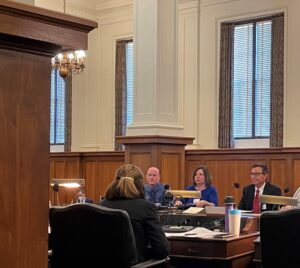
On July 25, 2022, the nation’s leading colorectal cancer (CRC) patient advocacy organization, Fight Colorectal Cancer (Fight CRC) convened a group of CRC survivors, patient advocacy groups, and business leaders with the White House Cancer Moonshot coordinators and representatives from federal agencies in response to President Joe Biden and First Lady Jill Biden’s call to action to improve and increase access to CRC screening. During the meeting, the group discussed ways they can work together to amplify and engage in efforts during March, Colorectal Cancer Awareness Month, as well as collaborate on public-private partnerships to ensure all Americans have access to CRC treatment and screening.

“We want to save lives,” said Anjee Davis, Fight CRC President. “We want to increase colorectal cancer screenings, and we believe that we can provide access for everyone if we think innovatively. The United States can lead the way and implement best practices, not only for those who are eligible for screening, but also for the early-age onset community. This meeting at the White House was the first step.”

As part of the reignited Cancer Moonshot, First Lady Jill Biden announced a call to action on cancer screening to jump-start progress on the nearly 10 million cancer screenings in the United States that were missed as a result of the pandemic. To achieve this goal, Fight CRC convened a work group of patient advocacy and business leaders, and leveraged their shared commitment to increasing CRC screening to help meet the Cancer Moonshot goals. This meeting is the beginning of an ongoing conversation between this group and the White House and federal agencies to share ideas and develop innovative solutions.

The group presented on three key initiatives: (1) CRC education and awareness as part of the First Lady’s cancer screening messaging efforts, (2) comprehensive CRC screening solutions that support existing screening tools allowing the workgroup to reach underserved communities, and (3) building on the success of the CDC’s Colorectal Cancer Control Program (CRCCP).

“This is a disease that’s preventable and treatable.” said Paula Chambers Raney, stage I CRC survivor and Fight CRC advocate. “It was so exciting to be in the room with policymakers, advocacy organizations, and companies who make the screening tests. These are the people who have the power to make changes to the way people are screened and to bring access to everyone in all communities. There are so many screening options available now compared with seven years ago when I was diagnosed. There is innovation out there. There is so much data that exists now. There is a reason for hope. This makes me even more excited to advocate.”

Participants from the White House Meeting:


Carolyn “Bo” Aldigé – Prevent Cancer Foundation, Founder
Andrew Barnell, MBA – Geneoscopy Inc., CEO and Co-Founder
Daniel Bloomgarden – Fight Colorectal Cancer, Board Member
Danielle Carnival, PhD – White House Cancer Moonshot, Coordinator
Austin Chiang, MD, MPH – Medtronic, CMO Gastrointestinal
Kevin Conroy – Exact Sciences, Chairman and CEO
Erin Darbouze, MPH – Fight Colorectal Cancer, Health Policy Manager
Anjee Davis, MPPA – Fight Colorectal Cancer, President
Richard Goldberg, MD – Fight Colorectal Cancer, Board Member
Greg Hamilton, MBA – Epigenomics, CEO
Lisa Lacasse, MBA – American Cancer Society Cancer Action Network (ACS CAN), President
David Lieberman, MD, AGAF – American Gastroenterological Association, Former President
Molly McDonnell – Fight Colorectal Cancer, Director of Advocacy
Arif Nathoo, MD, MPA – Komodo Health, Co-Founder and CEO
Angela Nicholas, MD – Fight Colorectal Cancer, Board Chair
Mike Nolan, MBA – Freenome, CEO
Paula Chambers Raney – Fight Colorectal Cancer, survivor and advocate
AmirAli Talasaz, PhD – Guardant Health, Co-Founder and Co-CEO
Catharine Young, PhD – Assistant Director for Cancer Moonshot Engagement and Policy

In just a few months since convening, this work group has committed to working together to make a meaningful difference in CRC screening.

July brings fireworks, barbecues, and super hot summer weather. In this month’s Clinical Trial Conversations blog post, Maia and Manju discuss prevention and treatment of side effects – specifically skin rash, hand-and-foot skin reaction syndrome, and peripheral neuropathy – which may occur in part or in full during colorectal cancer treatment.

While the hotter weather may be a welcome relief to some patients’ and survivors’ physical discomfort from cooler or colder months, other patients and survivors may experience heat intolerance. Let’s not forget those patients experiencing skin-related side effects or syndromes, no matter the weather or season we are in.

When your medical team is exceptionally focused on lifesaving treatment, discussions about side effects may not be forefront in their minds, and side effects may not be at the top of your list of questions either – until you begin to experience pain and discomfort, which you may think is a part of the treatment process that you have to “suffer through.”

Since treatment effects vary among individuals, we don’t have a one-size-fits-all solution for everyone. However, we have put together a list of interesting clinical trials addressing skin rash, hand-and-foot syndrome, and peripheral neuropathy, which we hope will alleviate or help minimize side effects.

Highlights:

  • Clinical trials offer hope to alleviate or help minimize side effects.
  • Trials are looking at alleviating skin rash from EGFR inhibitors (cetuximab, panitumumab)
  • Trials are looking into the prevention or treatment of hand-and-foot syndrome from regorafenib (Stivarga®)
  • Several trials are underway regarding peripheral neuropathy (CIPN) from oxaliplatin

Resources

Clinical trials are critical to finding a cure for colorectal cancer. As an advocacy organization dedicated to supporting and empowering a community of patients, caregivers and families, Fight CRC has partnered with COLONTOWN to deliver a monthly blog series highlighting everything patients need to know about clinical trials and the best treatment options available.

More Fight CRC Resources

Prevention or treatment of skin rash from EGFR inhibitors (cetuximab, panitumumab)

Efficacy and safety of two strengths of LUT014 Gel topically applied once a day for four weeks

NCT04759664

This 117 participant Phase II randomized study looks at the efficacy and safety of two strengths of LUT014 Gel applied on the skin once a day for four weeks, compared to a placebo, in metastatic colorectal cancer (mCRC) patients who developed Grade 2 EGFRI induced skin side effects.

Study doctors will look at the proportion of people in each treatment group who reached treatment success at four weeks. Treatment success is defined as an improvement (decrease) of at least one grade in the severity of the skin side effects from baseline to Day 28, based on a grading scale or answers in a questionnaire. The inclusion/exclusion criteria are listed on clinicaltrials.gov. People with beards cannot participate in the study as the beard could interfere with scoring of lesions. This trial is open and recruiting at 12 locations in the U.S.

Prevention or treatment of hand-and-foot syndrome from regorafenib (Stivarga®)

A Study to Investigate OQL011 on VEGFR Inhibitor-Associated Hand-Foot Skin Reaction in Cancer Patients (NOVA-II)

NCT04088318

Hand-Foot Skin Reaction (HFSR) is a common side effect induced by Vascular Endothelial Growth Receptor Inhibitor (VEGFRi) treatment in cancer patients. The main purpose of this 112 participant, randomized Phase II study is to evaluate the safety and efficacy of OQL011 compared to vehicle ointment in treating patients with moderate to severe VEGFRi-associated HFSR.

This study will also identify an optimal dosage for Phase III study and explore the pharmacokinetics profile of OQL011 in HFSR patients. Three doses of the ointment or vehicle will be applied on the skin, three times a day for up to six weeks. The primary outcome is to measure the proportion of patients who achieve NCI CTCAE v5.0 – Palmar-Plantar Erythrodysesthesia (PPE) grade 0 or 1. The trial is open and enrolling at 15 locations in the U.S.

Prevention or treatment of peripheral neuropathy from oxaliplatin

While some trials test a medicine for the first time, others use already-approved drugs in a new way. This is the case of the following two studies NCT04137107 and NCT04164069.

Duloxetine to Prevent Oxaliplatin-Induced Peripheral Neuropathy in Patients With Stage II-III Colorectal Cancer

NCT04137107

This clinical trial is a Phase II/III trial for patients with stage II or stage III colorectal cancer who are receiving oxaliplatin (part of the Folfox chemotherapy combination), and who do not have peripheral neuropathy.

As an addition to their standard of care treatment, patients will be randomly assigned to receive either duloxetine or placebo. To prevent bias, (predisposition to interpret information in a particular way) neither the patients nor the investigators know which arm of the trial they are assigned. Duloxetine (Cymbalta) is an approved antidepressant medication that increases the amount of certain chemicals in the brain that help relieve depression and pain. This study aims to determine the best dose of duloxetine and how well it works in preventing the pain, tingling, and numbness caused by treatment with oxaliplatin.

This trial by the Alliance for Clinical Trials in Oncology is ongoing at more than 570 locations around the country.

Dasatinib for the Prevention of Oxaliplatin-Induced Neuropathy in Patients With Metastatic Gastrointestinal Cancer Receiving FOLFOX Chemotherapy With or Without Bevacizumab

NCT04164069

This is also a trial that uses an approved drug in addition to standard of care. All stage II, stage III or stage IV colorectal cancer patients who are receiving standard of care chemotherapy (Folfox, with or without Avastin®) will also take a pill, dasatinib (Sprycel®).

Dasatinib is a tyrosine kinase inhibitor used for the treatment of lymphoblastic or chronic myeloid leukemia with resistance or intolerance to prior therapy. It blocks the action of an abnormal protein that signals cancer cells to multiply. The researchers’ hypothesis, based on preclinical evidence, is that blocking these enzymes may reduce oxaliplatin-induced peripheral neuropathy. To test that, patients will receive an oral dose of dasatinib, intermittently ( taken only some days on the chemo cycles).

In contrast to the first trial, this trial is a small, 10 patients study, taking place only at Ohio State University Cancer Center (Columbus).

Prevention of Oxaliplatin-induced Nerve Damage in the Body’s Extremities (OxaNeuro)

NCT05404230

This trial is not yet recruiting (as of July 2022) and will take place at a university hospital in Denmark.

It is also a clinical trial for colorectal patients who are going to receive oxaliplatin-containing therapy, who have not started yet, nor have peripheral neuropathy at the present.

However, the study does not test a novel drug or an already-approved one. It proposes something that could be considered a dietary intervention: the addition of a high dosage of n-3 PUFA (polyunsaturated fatty acids), by taking fish oil capsules while receiving Folfox.

The purpose of this study is explore if high dosage of n-3 PUFA (fish oil capsules, 3 grams per day for eight months) reduces the incidence and severity of chemotherapy-induced peripheral neuropathy (CIPN) eight months after adjuvant oxaliplatin, following surgery for high-risk colorectal cancer. Some patients will take fish oil capsules, while patients in the placebo arm will take n-6 polyunsaturated fatty acids capsules (corn oil, 2 grams per day, the equivalent of adding an extra spoon of food oil while cooking).

Effect of Hemp-CBD on Patients With CIPN (Coala-T-CBD)

NCT04398446

This trial is different from all the clinical trials listed above. This study is for stage II and stage III colorectal patients who have already developed peripheral neuropathy, after receiving chemotherapy that included oxaliplatin. In other words, this trial is for survivors who are not currently receiving treatment but are dealing with the aftermath of peripheral neuropathy.

In this small trial, taking place only in Pennsylvania (Wynnewood), patients take hemp-based cannabidiol (CBD) tablets (or placebo) for three months.

Cannabis comprises tetrahydrocannabinol (THC) and cannabidiol (CBD). CBD is not psychoactive and does not appear to be addictive. One specific form of CBD is approved as a drug in the U.S. for seizures. Studies specifically looking at the role of CBD in chemotherapy-induced neurotoxicity have shown a neuroprotective effect of CBD in mouse models. Studies have demonstrated that a 14-day dosing regimen of CBD prevented the onset of paclitaxel-induced mechanical and thermal sensitivity.

These intriguing results suggest that cannabinoid agents could potentially reduce the severity and duration of chemotherapy-induced peripheral neuropathy for patients.

Stay Tuned

Once a month, Maia Walker and Manju George spend time unpacking important research trials, tips, and advice for our community. Be sure to subscribe to sign up with Fight CRC and join COLONTOWN’s online community to continue receiving the most relevant updates in the CRC world!

You can also follow Maia (@sassycell) and Manju (@manjuggm) to stay updated on research and trials and visit ClinicalTrials.gov  for more information on trials.

Earlier this year, President Joe Biden announced plans to reignite the Cancer Moonshot with renewed leadership and new ambitious goals to “end cancer as we know it.” As part of this effort, the President and First Lady Jill Biden have issued a call to action to prioritize progress on cancer screening and to ensure that all Americans benefit from advances in cancer prevention.

In response, Fight Colorectal Cancer (Fight CRC) convened patient advocacy and business leaders in colorectal cancer (CRC) met with staff from the White House Office of Science and Technology Policy (WHOSTP) as well as various federal agencies on July 25 to discuss how we can work together to respond to the President’s Cancer Moonshot and close the key gaps and barriers to CRC screening identified in the President’s Cancer Panel Report.

This is the first time ever that a group representing the colorectal cancer community has joined together with the federal government in this way to work toward common goals.

Each organization at this meeting, including Fight CRC, has their own distinct policy priorities, programs, and initiatives. These patient advocacy and business leaders are intentionally coming together to support efforts that speak to their shared commitment of helping increase access to CRC screening for all Americans.

The challenge is clear: in the U.S., only 69.7% of adults between the ages of 50 and 75 are up to date with CRC screening, and in Federally Qualified Health Centers, the largest providers of care to underinsured and uninsured individuals, only 44% of the population is up to date. The decline in colorectal cancer screenings were exacerbated by the COVID-19 pandemic. A 2020 analysis by Komodo Health and Fight CRC, found that the total number of colonoscopies and biopsies declined nearly 90% in April 2020 compared to the same period of 2019. Despite the availability of several safe and effective CRC screening options, CRC remains the No. 2 overall cancer killer for men and women combined, with communities of color seeing even higher incidence and mortality rates.

“This is the first time a group like this has come together to align on a shared goal,” said Anjee Davis, Fight CRC President. “This workgroup is a response to a ‘moonshot.’ The challenges facing CRC screening and prevention may seem insurmountable. But this group has the opportunity to go beyond incremental change. I believe we can strive for radical changes to provide access to screening and care for every community in our country.”

Participants in the White House Meeting:

Carolyn “Bo” Aldigé – Prevent Cancer Foundation, Founder Alexey Aleshin, MD, MBA – Natera, General Manager, Early Cancer Detection Andrew Barnell, MBA – Geneoscopy Inc., CEO and Co-Founder Danielle Carnival, PhD – White House Cancer Moonshot, Coordinator Austin Chiang, MD, MPH – Medtronic, CMO Gastrointestinal Kevin Conroy – Exact Sciences, Chairman and CEO Erin Darbouze, MPH – Fight Colorectal Cancer, Health Policy Manager Anjee Davis, MPPA – Fight Colorectal Cancer, President Richard Goldberg, MD – Fight Colorectal Cancer, Board Member Greg Hamilton, MBA – Epigenomics, CEO Lisa Lacasse, MBA – American Cancer Society Cancer Action Network (ACS CAN), President David Lieberman, MD, AGAF – American Gastroenterological Association, Former President Molly McDonnell – Fight Colorectal Cancer, Director of Advocacy Arif Nathoo, MD, MPA – Komodo Health, Co-Founder and CEO Angela Nicholas, MD – Fight Colorectal Cancer, Board Chair Mike Nolan, MBA – Freenome, CEO AmirAli Talasaz, PhD – Guardant Health, Co-Founder and Co-CEO Catharine Young, PhD – Assistant Director for Cancer Moonshot Engagement and Policy

“This group is dreaming big around how a public-private partnership can reach everyone from prevention to treatment,” said Davis. “There are still 44 million people who need to be screened.”

Take Aways President Biden has identified the need for both policy solutions, as well as ideas for public-private partnerships to help reduce the death rate from cancer by at least 50% over the next 25 years and ensure that all Americans equitably benefit from the tools we have to prevent, detect, and diagnose cancer. Through this meeting, Fight CRC is seeking to develop a joint-advocacy and industry response to the President’s call to improve and increase access to colorectal cancer screening for all people.

There is no typical financial situation

Karen Wehling received her stage IV cancer diagnosis just four months after her husband’s unexpected death. While grieving the recent loss of her husband, she had to maneuver a new diagnosis, new treatment plan, and new financial concerns.

While her situation wasn’t the typical situation of someone with colorectal cancer, Wehling believes there are no “typical” cancer situations. There are, however, common struggles – and, unfortunately, finances are among them. Here, Wheling shares a few of the lessons she’s learned about the intersection of finances and colorectal cancer.

1. Your health is your first priority. (But don’t neglect money questions for too long.)

“Think about your health first,” Wehling said. “There are ways to solve many of the money issues that can come up.”

But don’t put off money talk too long, Wehling said. She does wish she paid attention to financial matters earlier than she did, and she wishes she knew to apply for disability insurance sooner. Wehling thinks of a friend with cancer who did what she wished she had: First, she created a treatment plan with her care team, and soon after, she talked with her insurance provider to learn what was covered and then found financial support that could fill in the gaps. Focus on your health first, Wehling advises, then turn the focus to finances. Programs like Medicare and Social Security Disability Insurance may offer help.

2. Assemble a team of people willing to help you

This team may include the social workers at your hospital who can connect you to all kinds of resources at the hospital and in the community, and it may include friends and family who may be financially savvy or willing to help you do research. Consider hiring a lawyer, who may assist in applying for disability insurance. Wehling also said that bringing in mental healthcare support can be crucial as well. The stress of cancer combined with the stress of financial concerns can be overwhelming, and therapy can offer valuable support. You don’t have to go through this alone.

“You’d be surprised how many people are willing to help you when you ask them.”

3. Think of new possibilities, even ones you didn’t entertain before

In just one year, Wehling lost her husband, got a stage IV cancer diagnosis, and lost her ability to work. She had to entertain options that she didn’t consider before – and that, to Wehling, was the key to finding solutions that worked.

“You have to be willing to think out of the box. Suddenly, I had no money, and I couldn’t work. What can I do?” Wehling asked. “Your life may not be what you thought it would be, but be open to the things that change.”

Even if everyone’s situation differs, almost everyone with cancer faces new questions and uncertainties. Wehling moved in with her daughter, and together they pooled their resources. It’s a situation that’s worked out very well for her family.

4. Connect with others who are going through similar things

Wehling went online to find others who were dealing with colorectal cancer, especially through groups like Fight Colorectal Cancer and COLONTOWN. Connecting with others with similar struggles and questions was very helpful and reassuring. Wehling also began to mentor people just starting their cancer journeys, offering her insight, support, and compassion.

“Support groups are good for when you’re scared and so unsure of what to do. They’ll give you the emotional support you want, and sometimes, they’ll teach you about places you can contact for help,” Wehling said. “When you talk to other people who’ve been through similar things, you feel more like you can go through these, too.”

5. Don’t take “no” for an answer

If you initially get turned down for financial support, keep fighting. Wehling learned that sometimes people are initially denied for Social Security Disability Benefits, but they can apply again and may get approved on subsequent applications. (A lawyer may be helpful here.)

“Don’t give up and think that the world is ending,” Wehling said. “Try to find the light. For me, the light was all the people willing to help me through this.”

Resources

The Patient Advocate Foundation Co-Pay Relief Fund offers a metastatic colorectal cancer co-pay fund, which is currently closed, but offers an opportunity to “get notified” when new funds open or current funds re-open. The Patient Advocate Foundation Co-Pay Relief Fund also has a metastatic colorectal cancer health equity fund, which is currently open to patients within specific ZIP codes who must meet other eligibility requirements, as well.

The Cancer Support Community posted a blog How to File a Health Insurance Appeal for a Denied Claim: What Patients Need to Know, which contains helpful information and tips about your right to appeal, preparing an appeal, and getting help in the appeals process.

The National Comprehensive Cancer Network® (NCCN) provides a downloadable, helpful tool for patients in need of financial assistance.

When Molly McDonnell, Fight CRC’s Director of Advocacy, sends you a note asking if you’ll testify before the New Jersey State Senate in support of legislation that would increase access to colorectal cancer screening, you don’t say no. You may want to. You may mentally come up with 10 reasons in less than 30 seconds why you can’t do it.

Close your eyes. Believe in the power of your story. Just do it.

Testifying was one of the most scary, yet tremendously gratifying, experiences I have ever had.

For real: I knew at the moment Molly asked me (with a quick check of my calendar) that I COULD attend the 11am Senate Committee Meeting. But immediately after saying I would, I had cold feet. I committed, but I was terrified.

I am an unlikely – dare I say – reluctant advocate. I am completely unfamiliar with most political processes. I mean, who wants to admit their ignorance? It’s embarrassing.

Nevertheless, I agreed to go before the New Jersey State Senate Commerce Committee to testify in support of S2305, legislation that requires health insurers to cover colorectal cancer screening beginning at age 45 (as recommended by United States Preventive Services Task Force) and removes out-of-pocket costs for people needing a colonoscopy after a positive noninvasive screening test.

Here’s why: When you tell your story to your elected officials, the impact is far greater than random facts and statistics read from a sheet of paper. Your testimony breathes life into those statistics and reminds our elected officials that the policies before them impact real people.

Reluctant, yet excellent, advocate

My husband, Joe, has spent the past 27 years humoring me. Joe is quiet and doesn’t say much. He is the opposite of me. And four years ago, both of our worlds got turned upside down when he was diagnosed with rectal cancer.

At first I just asked him to come with me – to help me figure out where I was going. When he agreed, I said, “Well, if you’re going, you really need to speak as well.” He should have seen that coming.

I told him it didn’t need to be a long speech. We had three minutes each to speak. He just needed to tell his story. I was thrilled when he gave me the short draft of his speech. This is progress! Joe was diagnosed four years ago, and until Thursday, June 7, he had never told his story to anyone.

I wrote my draft. I read it out loud (I cried toward the end, and I was OK with that because I thought it was good to get the emotion and tears out of my system). I did not get them completely out apparently.

Later that morning, we drove to the State Capitol. Between finding parking, navigating to the building, floor, hall, and then room we needed to be, by the time we got there, I already needed a nap.

As I walked into the Senate Committee Meeting room, I felt insanely intimidated and like I didn’t belong there. I just wanted to go home.

But instead of running for the exit, I persisted. The meeting was late getting started and the colorectal cancer bill was the second to last to be considered. It was going to be a long day.

Telling our Story

testifying-at-nj-state-senate-theresaMore than two hours later, the bloom far off my bud, and it was time for the committee to consider S2305. We were called up to the dais, and a representative from the American Cancer Society Cancer Action Network (who works closely with Fight CRC!) spoke first. Next, a gastroenterologist who lost his father to colorectal shared his story.
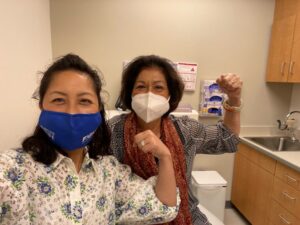
Then it was my turn: my testimony was a sheet and a half of paper. I read it, but looked up every so often to make eye contact. Each time I looked up, I saw the Senate Committee Members looking back intently at me. I did a great job of reading my testimony, loudly, clearly, and expressively. I was so proud of myself. Until I got to the final paragraph:

“We respectfully request you pass this bill: If Joe had been screened at age 45, we could have had a completely different outcome. Again, while we are thankful that Joe is here today, every day is a struggle. Every day cancer is on his mind, my mind, and the minds of our kids. This battle never ends: even as he is cancer free today.”

That last sentence devastated me to say out loud. “The battle never ends.” It just doesn’t.

Joe was extremely emotional as he started to read his testimony. His face was red, and he could barely speak. His voice choked with emotion. I squeezed his fingers hard to encourage him to keep going. Before we knew it, our time at the dais was over. The senators thanked both me and Joe for our bravery and for sharing the most personal parts of our lives with them.

Advocacy and attitude of gratitude

I am so proud of Joe for telling his story – and this was just the beginning – he was recently interviewed by our local news station. I am so proud of myself because in those moments of Joe and I telling our stories, I could see empathy, compassion, and caring in the faces of the senators. At Fight Colorectal Cancer, we always say, “No one fights alone.” In that moment of testifying, I felt seen, heard, and supported.

The Committee voted unanimously to approve the bill. In the fall, the bill will need to clear another Senate Committee and be approved by the full Senate. The same process will need to happen in the Assembly, after which it will be sent on to the Governor for signature.

There aren’t a whole lot of things I have done that I am supremely gratified by, but appearing to testify in support of bill S2305 will always be one of my proudest moments.

While it feels uncomfortable sharing such personal details of our lives, I am 100% sure that because we did, we made a difference – a difference that may be too late for Joe – but it will make a huge difference in the lives of those who can get a colonoscopy covered by insurance at age 45, or who won’t have out-of-pocket costs if they a colonoscopy after a positive, noninvasive test.

Our testimonies will save lives. Sharing your story helps others. And when you share your stories with elected officials, they feel the impact because they now have a face with your story. It becomes “real.” They learn details of your struggles that they would have never known about had you not shared your personal story.

Say “Yes!” to advocacy


Do the thing that scares you: Say “Yes!” when someone asks you to testify before your legislature. Share your story in your local community or even among friends and family. No one else is going to do this work if we don’t. Sharing your story may not be the easiest thing to do, but it does make a difference. Plus, it’s empowering! I promise you won’t regret it!

Pro tip: Become involved with the Fight CRC advocacy community. Sign up to be an advocate to get notified about opportunities to engage in your state. There are so many ways to support the colorectal cancer advocacy community. Take action or donate. We are stronger together. We will make progress faster together. No one fights alone.

sign up to advocate
anjee-momThe dictionary defines survivor as “a person who copes well with difficulties in their life.” You are a survivor from the moment you are diagnosed. Every personal cancer experience is unique and so incomparably hard.

I was diagnosed with breast cancer on Feb. 4, 2020. I didn’t feel like a survivor at that moment, before or after surgery, or during treatment. I, for sure, don’t think I was coping well. In fact, it took me a while to pull it together. And I don’t mean “a few hours.” I mean several months. Several CT scans and surgeries later, I am cancer free.

Then two years later, when I finally felt mostly over the trauma of my cancer diagnosis – because you never are fully over the trauma – my brother and I had to tell my mom that she had cancer. The flood of emotions came back, and our whole family was impacted physically, emotionally, spirituality, and socially.

As a family, cancer impacted us physically, emotionally, and socially. We all had moments where we fought hard to move past the fear of cancer because we all knew we had to keep moving forward. Some days we felt like we were stuck in tire ruts and spinning. But it was OK. We may not have moved forward those days, but we sure didn’t go backward. Some days, it’s OK to stay where you are.

Cancer Survivorship and Never Losing Hope

Moving forward after a cancer diagnosis is a process: Every day, every month, and every year is different with fears you didn’t have before the diagnosis, but now you wake up to every day. But I am determined to redefine my own story of hope as a patient and caregiver. There is a saying in Tibet, “Tragedy should be utilized as a source of strength.” No matter what sort of difficulties we endure, or how painful the experience is, if we lose our hope, that’s our real disaster. Part of living as a cancer survivor is never losing hope.

Currently, my goal is to reach five years cancer free. Until then, I am going to enjoy all the colors of life and embrace all of it – even its flaws. It’s my choice every day to hold on to hope, because what I have learned is that hope is the gift you create for yourself. Hope is the tenacity and the relentlessness within yourself that keeps you fighting. Hope pushes you on. Some days, when I don’t want to get out of bed, hope tells me I have to keep going. Two years ago, I found a tiny seed of hope, and shared it with my family. That seed has been nurtured by the love and support of friends, fellow survivors, and family. It takes time, and it takes a community to thrive. That is the miracle of hope.

For some, you may be in the throes of resistance and striving for recovery. You may be disgusted, discouraged, and frustrated. You may be furious because you don’t want to be strong and you don’t want to fight, and it’s not fair that this battle is even your battle. It’s not easy; and it’s not the same for everyone. But when you take a breath, and you realize and acknowledge that this is how it is, you can choose to find that seed of hope – and it may feel buried, but I assure you, it is in you – and share it with the people who support and love you. It takes dedication and work to nurture that seed of hope. Some days that seed of hope may be getting out of bed and starting your day. Sharing a smile with someone during chemo may give them hope they desperately needed that day. Telling your story to a fellow survivor and giving each other a hug may provide hope to someone when they need it most and remind you to keep moving forward.

As cancer survivors and as caregivers, we share a bond. We all know what it’s like to look into the eyes of someone who is relentless and never gave up, and feel the gratitude of the power of hope.

Celebrate this month with your people – your tribe – your family and your community. Never lose hope and never forget that you inspire us to keep going.

Diarrhea. Rectum. Stool. Ostomy. In a culture where adults feel shame or embarrassment about anatomy and body functions, it’s no wonder that people with colorectal cancer can internalize that shame. Especially for people with stomas and ostomy bags, this creates a negative body image, which can compromise mental health at a time when cancer triggers plenty of stress already.

Julie Brown, a stage III survivor and Fight CRC Ambassador, wants people to know what she wished she learned sooner: Being open with a community of fellow survivors can empower you to feel more positive about your body.

“When you hear you have cancer, it already has such a huge effect on your mental health. You’re thinking about so many things, potentially—about losing your life or the impact on your family. A lot of times, people don’t think about how cancer affects your body image, too,” Brown says. “It’s not a cancer most people want to talk about. Not that any cancer is glamorous, but colorectal cancer involves things that are on people’s taboo list.”

Brown says that doing the thing that most people don’t want to do—being open about what it’s like to have colorectal cancer—can be freeing. This openness changed her cancer journey and improved her mental health.

Being Young and Active with an Ostomy

Brown got a permanent ostomy in her early 30s, which compelled plenty of questions with no good answers: When do you tell someone you’re dating that you have a stoma? How do you introduce the subject to friends? How can you navigate an active lifestyle—hiking, swimming, going to concerts—with an ostomy bag?

For seven years, Brown didn’t mention her ostomy to others outside her closest circle of friends. She remembers the night when that changed: One evening during a conversation with other people with colorectal cancer, she heard people say that the humiliation of their ostomy was so overwhelming that they isolated themselves, and some considered suicide.

“Hearing that made me so sad because I thought, I never talked about [my ostomy] with people I don’t know. I’ve never shown it, and it’s nothing I’m open about. But I’m grateful for it! It’s given me my life back…It’s hard, and it’s an adjustment, but at the end of the day, it’s given me all these beautiful things. I talk about it openly now. I want to educate people and for people to understand that it’s not gross.”

Connecting Through Honesty and Openness

Dr. Jana Bolduan Lomax, a psychologist, wants people to understand how important it is to acknowledge and accept the full complexity of having cancer. Being honest with yourself and open with others about how you do feel—not how you should feel or how you think others want you to feel—is crucial to mental health and fostering deep relationships.

“Manage the tyranny of positive thinking. This whole popular culture idea that we really must stay strong and positive to fight our cancer, and somehow feeling sad or scared or hopeless is going to allow cancer to grow…there’s no evidence to support that positive thinking or remaining optimistic at all times leads to improved outcomes. In fact, not feeling your own emotions or not having a place to express them can be far more stressful on your body than the actual feeling of any anger, sadness, strength, or optimism,” said Dr. Bolduan Lomax.

Finding community with people who allow you to be open and fully yourself—without shame, without expectation—can create positive effects on mental health. Shame silences and isolates us; honesty and acceptance connects us.

Owning Her Experience, Accepting Her Body

Brown decided to be more forthcoming about her ostomy, even including it in a photoshoot to show others that she had one. She says that being more upfront about her stoma and ostomy led her to be less self-conscious overall. She even feels pride in the surgery scars she used to hide. Brown regrets not achieving this acceptance earlier; she hates to think of the pregnancy photos she skipped because she didn’t want anyone to know she had an ostomy.

Brown’s honesty has led to close relationships, within the community of colorectal cancer survivors and even beyond it. Brown says that she and her now-husband began their relationship being so open—her ostomy was a discussion topic during their first date—and they’ve continued that open communication style through their marriage.

“Cancer affects every aspect of your life, so it’s an opportunity to open up and look at everything about yourself. Don’t be ashamed. [With colorectal cancer,] you already feel so self-conscious about your body, and nobody wants to admit that they need to talk to someone or that they need to see a therapist. There’s no shame. It’s good to really look at all of the things that you need, holistically and not just physically.”

A clinical trial is one way to advance colorectal cancer treatment options. But patients –and their doctors also – may think that clinical trials are a last-ditch effort in treatment, and that you need to be stage IV to be eligible. Maia Walker, the lead curator of the Fight CRC Clinical Trial Finder, addresses the top myths about clinical trials.

Myth: A clinical trial is a last-ditch effort in treatment.

This is one of the worst myths in the house: “Clinical trials are the last resource.” Start researching clinical trials as early as possible, at the time of a cancer diagnosis. There are clinical trials for those just diagnosed; for those about to start the first line of treatment; for those that are in the third line of treatment; from stage I through stage IV. Also, there are clinical trials that don’t provide active treatment for the disease, but that might ease side effects from treatments, or help family members to check if they are at increased risk. Those are incredibly important!

Be proactive: Research clinical trials even when you think they are not needed!

Clinical trials might be the chance to receive a treatment that is just about to be approved. For patients with the most common type of colorectal cancer (MSS), clinical trials allow them to receive new treatments from the emerging field of immunotherapy for colorectal cancer. Immunotherapy holds the potential to induce durable responses, even if only a minority of patients currently respond.

A good time to search for trials is when chemotherapy is working, when treatment is stable and tumors are shrinking, and you have figured out how to deal with the side effects.

The NCCN lays out the different standard of care options for your stage and type of cancer. This will help you determine potential treatments that you have available. As you understand what is available to you, then you may consider clinical trials for “What treatment should I consider down the line?” or even “What clinical trials might help enhance my quality of life as a survivor?”

Research shows that a healthy lifestyle can lower the risk of getting colorectal cancer, decrease the risk of colorectal cancer coming back (recurrence), and even help prepare you for colorectal cancer surgery. In this regard, there are clinical trials that continue studying how exercise can contribute to prevent colorectal cancer, ease side effects from treatments, positively impact the immune system in NED (no evidence of disease) patients, etc.

Clinical trials not only exist to treat the disease itself, but also to enhance the quality of life for survivors. For example, some research studies enroll patients to help them manage side effects that can substantially alter both their sex life and fertility. All these trials are hardly “last-ditch effort” interventions!

Myth: Clinical trials include a group that receives a placebo, which can cause their cancer and symptoms to worsen.

When a clinical trial involves placebos (a treatment that is not real, whether a pill or a shot), it is imperative to note that the participants in the clinical trial continue to receive the standard of care treatment. In other words, at the minimum, participants receive all treatments they would receive if not in a clinical trial. Placebos are not used in clinical trials where volunteers will be harmed if they do not receive a real medical treatment for their condition.

The point of the clinical trials is to evaluate the safety and effectiveness of treatments or devices; they aim to improve the health and quality of life of those participating and observe the ethical obligation to do no harm.

Myth: Clinical trials are biased.

Sometimes there are concerns or fears that people of color may get placebos, while a white person would get the “real” clinical trial medication, please be assured that is not how clinical trials work.

Because people may experience the same disease differently, it is extremely important to include people with a variety of lived experiences and living conditions, as well as characteristics like race and ethnicity, and age, so that all communities benefit from scientific advances in clinical trials.

Diversity, equity, and inclusion also relates to encompassing people of perceived “healthy” or “unhealthy” behaviors, environmental conditions, genetic variation or geographic ancestry, or underlying medical issues.

From the institution of the review boards to assure protocols are followed and organizations remain ethical and compliant through a 1993 law to include women and people from racial and ethnical minority populations in clinical research, strides have been made to ensure the entire population has access to clinical trials.

An extensive group and range of participants will augment clinical trials by providing real-world results.

Myth: Many participants die in clinical trials.

First, it’s essential to understand that while there are risks involved with clinical trials, there are also benefits. For example, suppose a patient is not responding to current treatments, but potential clinical trial treatment side effects are scary and frightening. In this case, the same patient may decide the risks of trying a clinical trial outweigh the risks of waiting for another viable colorectal cancer treatment option to become a reality.

Unfortunately, clinical trials do not always lead to lifesaving findings. However, people participate in clinical trials also for the greater good. Perhaps their lives were not extended or saved due to participation in a clinical trial, but every clinical trial yields findings, which contributes to and informs research. People participate to do their share in helping other people with colorectal cancer.

Myth: It’s impossible to get into a clinical trial.

While it’s not impossible to get into a clinical trial, it may be difficult, especially because most of us aren’t researchers by trade. Until a colorectal cancer diagnosis, most people don’t need to know anything about clinical trials.

Fight Colorectal Cancer’s Clinical Trial Finder makes exploring clinical trials easier and more patient friendly.

Keep in mind, while it is not impossible to find clinical trials, it can be challenging because clinical trials often have a limited window of opportunity. This means people need to be persistent and continually search clinical trial options.

There are clinical trials that patients can enter before a stage IV diagnosis or even once a patient has reached “no evidence of disease.” Many of these clinical trials are to investigate ways to enhance quality of life for colorectal cancer survivors.

Myth: Once enrolled in a clinical trial, you cannot quit.

Clinical trial enrollment is completely voluntary. Before joining, you will sign an informed consent – a detailed document with all of the trial information. You can withdraw from the trial at any time, if you choose to do so.

The goal of clinical trials is to make cancer treatment better so people can live longer. Researchers and doctors follow strict guidelines to protect trial participants, while collecting information to assess medical protocols, treatments, and medical devices. They do this to learn if these novel interventions work and if they are safe.

President Anjee Davis to participate in White House’s Cancer Moonshot Goals Forum in Washington, D.C. this Wednesday, May 11, 2022. The meeting will focus on catalyzing action and developing solutions that will bring the U.S. closer to “ending cancer as we know it.” Fight Colorectal Cancer (Fight CRC) will specifically be discussing plans related to reducing cost barriers to colorectal cancer screening as well as increasing equitable access to screening as outlined in their Path to a Cure report.

The Cancer Moonshot has set bold goals to reduce the death rate from cancer by at least 50% over the next 25 years, and improve the experience of people and their families living with and surviving cancer. It will take leaders from across the country including patients, private sector, foundations, academic institutions, healthcare providers, and all Americans to achieve the mission.

At this all-day convening, senior White House officials and members of the Cancer Cabinet will share updates on the Biden-Harris Administration’s whole-of-government approach to the Cancer Moonshot. During a series of conversations, Davis will have the opportunity to share ideas on how the Administration can improve colorectal cancer screening rates, detect cancer early, reach underserved and hard-to-reach communities, and how data can help in achieving these goals.

“In February 2022, President Biden announced a call to action on cancer screening after millions of appointments were missed due to COVID-19 – screenings for colorectal cancer fell by as much as 90% during the pandemic,” said Davis. “Being a part of this effort to provide equitable access to cancer prevention, detection, and diagnosis is such a meaningful opportunity. Fight CRC believes wholeheartedly in the President’s Cancer Moonshot efforts.”

Last February, Davis took part in the President’s Cancer Panel alongside Fight CRC Health Equity Committee member and board member Dr. Fola May. The Panel released a report on closing the gaps in CRC screening. Davis is looking forward to continuing the work focused on connecting people, communities, and systems to improve equity and access to CRC screening.

CRC is the second-leading cause of cancer deaths among men and women combined, yet one in three people are not up-to-date with screening. In just eight years, CRC is projected to be the leading cause of cancer deaths in those under age 50. In order to bring attention to this staggering statistic, last March, Fight CRC planted over 27,000 blue flags on the National Mall to represent the lives that will be impacted if change does not happen and the group hosted an event where Danielle Carnival, Ph.D., White House Cancer Moonshot Coordinator, presented the Administration’s commitment to reducing cancer diagnoses and deaths.

Fight CRC hopes to continue the momentum this week at the Cancer Moonshot Goals Forum.

“We are incredibly proud to be at the table collaborating on innovations to provide access for the more than 40 million Americans who need to be screened for colorectal cancer,” said Davis. “We’re honored to be representing the colorectal cancer community and we’re going to keep pushing until we all reach our collective goals.”

Donate Now