On December 3, 2021, Fight Colorectal Cancer (Fight CRC) hosted A Night With the Stars at Greenhouse Two Rivers, Highlandville, Mo. which raised nearly $20,000 for colorectal cancer (CRC) research and patient education.

It was an inspirational night that recognized Fight CRC’s President Anjee Davis’ 10-year work anniversary, commended research advocates and medical professionals whose efforts are getting people back to screening, and celebrated the survivors, caregivers, and loved ones in the room.

Representatives from Guardant Health presented awards to Research Advocacy Training and Support members, Wenora Johnson and Heidi Jurgens for their work in training survivors, caregivers, and CRC champions on the science behind colorectal cancer, from bench to bedside, and how to effectively engage with researchers, academic institutions, and cancer partners.

CRC survivors, caregivers, and loved ones, and medical professionals were celebrated throughout the night and commended for sharing their stories as relentless champions.

“I can’t help but be nostalgic about the night I was offered my role as President of Fight CRC. Candidly, it was a bit unorthodox but incredible at the same time. Nancy Roach, our founder, made the announcement at Call-on Congress 10 years ago in front of 125 advocates. I haven’t looked back.” – Angee Davis, FightCRC President“It was both moving and energizing to be surrounded by so many survivors, researchers, and fierce advocates at “A Night with the Stars. You could feel the love and sense of community in the room and everyone’s collective passion for progress in the fight against colorectal cancer. As a representative of Guardant Health, I had the opportunity to help present the “Back to Screening Award for Research Advocacy Excellence” to the patient and research advocates making a difference in the field. It was a testament to those dedicating their lives to the cause and a reminder of all the hope that’s on the horizon for patients. I left the event with a feeling of excitement: if we use our shared purpose to advocate for more research and funding, and to ignite more innovation in screening and early detection, we can truly move mountains in colorectal cancer.” – Julie Hamburg, MPH Director of Patient Advocacy at Guardant Health

“A Night with the Stars was a wonderful opportunity to share an evening with all of the physicians, researchers and FightCRC staff; who not only made it all possible, but made it absolutely perfect. The room was buzzing with excitement and hope of making advances in reducing the incidence of colorectal cancer. As a survivor, it was energizing. I couldn’t help but feel the love and strength of everyone involved.” – Jill MacDonald, stage IV survivor

A Night with the Stars will be an annual event hosted by Fight CRC at their headquarters in Springfield, Mo.

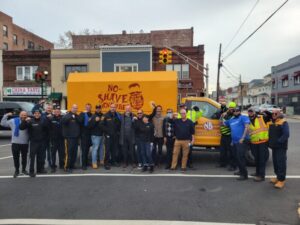
On November 30, 2021, Bob and Marlene Ceragno hosted their annual Shave-Off event, which raises awareness and funds for Fight Colorectal Cancer (Fight CRC), and topped out at $5,000, at their North Bergen, New Jersey, Eye Contact Vision Center.

Support showed up in force through No-Shave November™ events, as the North Bergen Police Department, North Bergen Department of Public Works, other Hudson County First Responders, and the Guttenberg Police Department put down their razors November 1, then gathered Nov. 30 with fuzzy faces to wind down No-Shave November™ at the Shave-Off event.

The Ciragno’s Shave-Off was the culmination of No-Shave November™, but Bob was quick to point out that these events wouldn’t be possible without the hard work and support of Mayor Nicholas J. Sacco, North Bergen Police Chief Peter Fasilis, members of the police department, members of the public works department, Eddy and Rene of Jagged Edge Spa & Salon, and countless others.

This was the first year the North Bergen Department of Public Works hopped aboard the No-Shave November™ events, and their enthusiasm shined as brightly as their truck with the stenciled No-Shave November™ logo. The public works department took a page from the Guttenberg Police Department and North Bergen Police Department who in the past have driven colorectal cancer awareness-wrapped cars and trucks during No-Shave November™, which serve as visual cues to create awareness of the importance of colorectal cancer screening.

Although firefighters cannot grow beards for No-Shave November™, since beards interfere with the seal of the SCBA mask they are required to wear, Bob is sure to drive the message of the importance of colorectal cancer screening to them. He tells them to get a colonoscopy if they have signs or symptoms. “Get a colonoscopy,” said Bob. “I can’t tell you how many people have told me, ‘I’ve had a colonoscopy because of you.’”

Eddy and Rene have volunteered their services every November for the Shave-Off. In 2020, new Police Chief Fasilis kept alive the tradition of No-Shave November™ within his department. Unfortunately, due to COVID-19 safety precautions, the Shave-Off event was scaled down significantly. Police Chief Fasilis said awareness and screening are important since colorectal cancer can be prevented.Bob and Marlene said it felt good to be back in the store for No-Shave November™ Shave-Off 2021.

Bob and Marlene have owned the Eye Contact Vision Center store for the past 20 years. They’ve been married 38 years and have two sons. When Bob had signs and symptoms, he went for a colonoscopy and was diagnosed with stage II colon cancer at age 59.

In 2016, while Bob was being treated for cancer, Marlene decided to surprise Bob for his 60th birthday. As a testament to Marlene’s cleverness and creativity, she had Bob pick up a cake with a photo of his sister-in-law and her husband under the guise of attending their anniversary party. Meanwhile, Marlene had Bob’s surprise birthday cake already at the party when she and Bob arrived. Bob, a man who admittedly doesn’t like surprises, loved this one.

Marlene said Bob didn’t need gifts, so she looked into organizations where people could make donations in his honor. Marlene’s research took her to Fight CRC, and the Ceragnos raised $3,000 for Fight CRC.

Since then, people have remembered Bob’s story and continue to rally around him today. The North Bergen Police Department took it upon themselves to participate in No-Shave November™ and the Shave-Off event in Bob’s honor. Mayor Sacco declares March Colorectal Cancer Awareness Month and creates a proclamation for Bob each year.

The North Bergen community continues to uplift and amplify the cause of raising awareness and funds for Fight CRC, and the Ceragnos continue to pay forward the kindness shown to them. Bob and Marlene are relentless champions of hope. Each March, the Cergnos donate $10 from the sale of each pair of glasses to Fight CRC. They donate $20 if the glasses are blue.

Colin-Zhu-DO-Chef-DocHe’s known as the Chef Doc: Colin Zhu, DO, is a board-certified doctor in both family medicine and lifestyle medicine. He’s also a chef who interned at a Michelin Star restaurant. He’s blended his medical and cooking backgrounds to become a standout in the field of culinary medicine, which studies how the foods that we eat (or don’t eat) affect our health and well-being. To Dr. Zhu, food should help us prevent disease and build resilience—and, at the same time, it should be enjoyable and tasty. Let food be thy delicious medicine, to paraphrase Hippocrates.

As research continues to emerge that nutrition can lower our risk of developing new or recurring cancers—and may even improve our response to cancer treatments—culinary medicine has become an important part of cancer care. Here, Dr. Zhu shares research on the connection between food and colorectal cancer, and he offers six tips to improve our health through changing our dietary habits.

NOTE: Nutritional needs may change before, during, and after cancer treatments. For personalized recommendations based on your cancer journey, please consult with your care team and a registered dietitian.

1. Forget about diet. Think lifestyle.

“I’m not a big fan of the word ‘diet,’” Dr. Zhu says. “It connotates temporary; it connotates short-term and yo-yoing. I use the word ‘lifestyle.’” Instead of thinking of a diet, Dr. Zhu encourages patients to embrace a lifestyle of healthy eating. This doesn’t require hard and fast rules for each meal, but it offers a nutritional North Star: a philosophy of eating that puts you on the path to health. The North Star that Dr. Zhu guides his patients toward is a whole-food, plant-based approach. He doesn’t want people to think of that as a short-term diet, but a way of daily living that builds better health.

2. Think beyond calories.

If you zoom in on calories when you look at a nutritional label, you’re missing most of the story, Dr. Zhu says. “Foods in their whole nature [have] all these different components—whether they’re vitamins, minerals, phytonutrients, calories, fiber—that are all working synergistically. So the big takeaway is that it’s more than singular components. I don’t want you to just look at nutritional labels and look at calories.”

For example, 200 calories of a highly processed junk food like potato chips won’t satisfy hunger or offer much nutrition; 200 calories of fresh vegetables and fruits satiate hunger and offer nourishment. Think less about calories, and think more about all the ways that food is serving (or not serving) your health.

3. The essential nutrient you’re probably missing: fiber.

“Fiber is literally one of the most essential nutrients that is not talked about,” Dr. Zhu says. “Fiber plays a huge role in promoting or reducing the risk of colorectal cancer, depending on what you’re ingesting.” Many dietitians and plant-based experts recommend consuming between 30 to 40 grams of fiber daily—a level, which has been proven to reduce the risk of colorectal cancer—but 97% of Americans don’t reach those levels. (Note: People who’ve had recent surgery for colorectal cancer may require a low-fiber diet; talk with your provider for personalized recommendations.)

Fiber is only found in plant foods—fruits, vegetables, whole grains, beans—and it’s vital for health. Other than reducing the risk of colorectal cancer, fiber can lower cholesterol, reduce inflammation, protect your heart, and maintain good bowel habits. Which leads us to…

4. Your poop matters.

“We’ve got to talk about poop,” Dr. Zhu says. “You increase your risk for colorectal cancer if your daily average poop measures below half a pound each day.” If you’re curious how to know exactly how much poop you pooped, Dr. Zhu recommends getting on a digital scale before and after. Another rule for poop? You want the time between eating food and pooping that food to be less than 24 to 36 hours. Curious how to measure your poop transit time? Find something that will announce its presence in your poop—beets, anyone?—to help you time your transit.

5. Embrace your veggies; limit your meat.

“The largest study of diet and health in history…found that meat consumption was associated with increased risk of dying from cancer, heart disease, and dying prematurely in general,” Dr. Zhu says. The National Cancer Institutes developed the study that he references, the NIH-AARP Diet and Health Study, which followed 545,000 people between 50 and 71 years of age for a decade to study mortality risks associated with food.

It found that there is an eight-fold increase in risk for colorectal cancer for people who have a high-meat/low-vegetable lifestyle compared to those who follow a high-vegetable/low-meat lifestyle. Dr. Zhu emphasizes that the benefits not only come with limiting meat but by increasing intake of plants, too.

6. Invest the time to increase your nutrition.

Fast foods are convenient, sure, but they’re also not really food. Dr. Zhu calls highly processed foods “food-related products” because they’re so far removed from the foods that nature intended for us to eat that they may not even qualify for the label anymore.

“Good food takes more time. Cooking takes more time. Good health takes more time. It’s about lifestyle changes about changing behaviors to last a lifetime.”

Watch Dr. Zhu’s webinar

Fight Colorectal Cancer (Fight CRC) is proud to be a community partner for a newly-launched CRC Health Equity Dream Team from Stand Up to Cancer (SU2C). Fight CRC will serve as an advisor regarding how to implement the program, as well as provide awareness and patient education surrounding its efforts.

The CRC Health Equity Dream Team was launched on October 7, 2021 to address colorectal cancer disparities and improve screening in medically underserved communities with $8 million funding an innovative and comprehensive approach alongside leading researchers, patient advocates, community leaders and clinicians.

“We are extremely proud to serve as a community partner on this project and help this critical work get to the patients,” said Anjee Davis, president of Fight CRC. “This falls in line with our shared commitment for health equity and we’re thrilled to support SU2C’s efforts to save lives amongst the underserved.”

Fight CRC Board Member Dr. Fola May, a gastroenterologist, health equity expert, and health services researcher at the UCLA Kaiser Permanente Center for Health Equity and the UCLA Jonsson Comprehensive Cancer Center, is one of three experts selected to provide leadership to the initiative. She will be helping the program establish and implement comprehensive at-home stool-based colorectal cancer screening programs at community health centers to increase screening rates to 80% within the SU2C Zones of Greater Boston, Los Angeles, and Great Plains Tribal Communities in South Dakota.

According to a SU2C press release, the project will also be “ensuring patients who have an abnormal stool-based screening test result receive a follow-up colonoscopy; building a collection of blood and stool samples for future research to ensure that low income and racial/ethnic minority populations are represented in the development of new screening tests and early detection methods for colorectal cancer; and fostering the careers of a new generation of Black, Latino, and American Indian doctors and researchers who embody the ideals of community engagement, trust-building and disparities research to improve health outcomes for all patients.

Before casting a ballot on election day, we’re here to help you make sure everything is in order so you can cast your vote confidently.

Q: Who can vote?

A: The United States government has qualifications for who can vote in national, state, and local elections. In order to vote, you must:

  • Be a U.S. citizen
  • Meet residency requirements in your state
  • Be age 18 (on or before election day)
  • Be registered to vote by your state’s voter registration deadline (if there is one)
Learn more about voter eligibility.

Q: How do I know if I’m registered to vote?

A: Registering to vote is a state issue. Choose your state from the dropdown on the National Association of Secretaries of State (NASS) website and enter your information to find out if you’ve successfully registered. We can help you register for the first time, check and update your current registration, or request a mail-in ballot. Join our Advocacy Space in Community of Champions!

Q: What if I’m immunocompromised and don’t want to be in public?

For cancer patients, voting by mail/absentee voting may be an important option if you are concerned about potential exposure to illnesses. Each state handles this differently, however there is a mail-in option for every state. You’ll need to check with request times and the in’s and out’s of how your state handles absentee voting.

Q: Can I take off work to vote?

A: Most states require employers to provide employees with time to vote on Election Day. You can check your state’s laws about taking time off from work to vote here. Although these laws vary from state to state, they generally require employers to give employees time off if the polls aren’t open two or three hours outside of the employee’s shift. It’s best to talk to your employer early and make a plan for Election Day.

Q: If I am still in line when the polls close, do I get to vote?

A: If you are in line when the polls close, you get to vote. The polling location must allow all voters in line at the time of polls closing to cast their ballot.

Q: What do I need to do to be ready to vote?

A: There are five main steps to be ready to vote.

  1. Register to Vote: The first step in exercising your right to vote is registering.
  2. Research Your Candidates and Ballot. Learn about the candidates running in your area and where they stand on issues important to you.
  3. Make a Voting Plan. Creating a voting plan will help you make sure you are prepared for any election. Request time off work or rearrange your schedule to make voting a priority.
  4. Find your polling place. Enter your information on Vote411. You’ll also get personalized voting information.
  5. Vote. Don’t forget the most important part! Either in person or by mail, cast your vote. Your vote is your voice.

Flex Your Vote!

Our community encourages one another to vote. Snap a #StrongArmSelfie with your “I Voted” sticker after you’ve submitted your ballot and use the hashtag #flexyourvote and tag @FightCRC. Let’s celebrate our community on Election Day!

Food can be a tricky subject under the best circumstances. Add in the complications of cancer, the holidays, and family – now that’s a minefield that would make anyone want to crawl under the table and hide! It can be frustrating when meals are at the heart of all we do, but meals make us miserable. Emotions and stress can also affect how we process and digest our food, leading to flare ups and uncomfortable bathroom tips if we’re not careful.

Even in survivorship, colorectal cancer can often remain on our minds because our digestive systems are not the same as they once were. How then, can we enjoy our holiday meal after facing colorectal cancer? Good news: It’s possible!

Here are 7 tips for holiday eating after a colorectal cancer diagnosis.

1. Bring What You Can Eat

If you are asked to bring a dish or a snack, bring a dish that fits your meal plan. Set yourself up for success. Bring what you can eat.

Consider tracking what you’re eating throughout the day. This will encourage mindful eating and help eliminate grazing. It’s easy to get caught up in the holiday atmosphere and eat too much because it’s there.

Look for recipes that include healthy choices for you ahead of time.

2. Hydrate

Some health issues like constipation, weight gain, and fatigue can be lessened by drinking fluids throughout the day. Plan to hydrate well: have 8oz.–12oz. of fluids every three to four hours. Water, juices, decaffeinated tea, coffee, broths, soups, ices, popsicles, gelatins, and low-calorie beverages can help you feel more like yourself.

Dehydration is a common side effect of cancer treatment, so be sure to remain hydrated. Liquids assist in moving food through the digestive track and curb cravings for high calorie snacks. If lactose sensitive, choose lactose-free options.

3. Tell People How You Feel

Let them know in advance if you don’t feel up to hosting your usual holiday party. If unable to contribute your signature holiday dish for dinner, offer to bring condiments, plates, utensils, napkins, or cups. These items are essential to a great party.

4. Let Others Help

Family and friends want to help. Cancer is also really difficult for caregivers because so frequently there isn’t anything they can do. So, they’re happy to know that making some accommodations can help you.

Let others help you with eating good for the holidays. Guide them to a website with recipes for people with cancer. Allow them assist you with your nutrition and side effects. They can choose recipes that address your nausea, diarrhea, fatigue, and trouble swallowing.

The people who love you want to be sure you’re eating healthy for the holidays.

Communicating your needs won’t only help you, but it allows those around you to know what you need. Otherwise, they will be guessing, and that’s a recipe for problems.

5. Be Prepared

Your host wants you to be comfortable, so don’t be shy about asking for anything you need. However, it’s good to be prepared in case you don’t need something the host doesn’t have. Consider packing a holiday survival kit with the following:

Food Snacks you can eat and have had success with.

Clothes A complete backup outfit (including socks and shoes) in case you have an accident.

Supplies Creams and soft or doubly-ply toilet paper. Extra ostomy provisions.

6. Connect

Clearly communicating your needs allows you to connect. Cancer can be so isolating. You’re trapped in your own terrible experience while those around you go on with normal life.

How do you bridge the gap and reconnect? Connect and communicate.

When you share honestly, you will let others in and allow them to help.

Imagine a friend of yours is struggling, but you don’t really know why or how to help. What if they shared how they’re feeling and specifically let you know what you could do to help? What a relief! Communication opens up connections.

7. Embrace the Season

The real reason for the season is not food and drink but more about family, friends, and celebrating another year. Give thanks for those around you. Enjoy gratitude in the day.

Enjoy eating good during the holidays with foods that you haven’t had the energy to make lately. Embrace the season.

marsha-baker-diet-diversityFor the first time in many decades, discussions about diversity are on the table (no pun intended) in nearly every area of American life. Unfortunately, this topic has often been neglected during diet and nutrition conversations—and we’re not talking about the importance of eating a colorful variety of fruits and vegetables.

Typically, patients receiving nutrition guidance get handed a list of foods to try and foods to avoid, but most of the foods listed are part of a mainstream “American” diet and fail to incorporate cultural differences. This is something health coach and Fight CRC advocate Marsha Baker hopes to see improved in the future—diet recommendations tailored not only to the patients’ food preferences but their cultures as well.

“It’s important to remember that not everyone eats like you,” Baker said. “It’s not a one-size-fits-all situation, ever, but especially when discussing ethnic backgrounds and diversity.”

In America, it can be easy to assume the products lining our mainstream, chain supermarket shelves are what’s stocking everyone’s pantries. But talk to a Native American patient whose culture is preserved by cooking or an Asian family serving up traditional dishes at home and you’ll quickly learn a different story. Diets are as diverse as the people who eat, and remembering that is key when making and receiving food recommendations.

Acknowledgement is Key

Diversifying how, where, and when to offer inclusive nutrition guidance is not an easy task, but Baker offers this simple encouragement to both patients and providers who want to grow: acknowledge.

“A lot of plans presented don’t acknowledge the cultural differences of eating and that ethnic meals are cooked at home and at restaurants,” Baker said. “We need to recognize and acknowledge that different ethnicities may have different cultural foods: African American, Latinx, Asian, Native American—we need to acknowledge that these groups may eat unique meals and use different types of foods that are often not mentioned in recommended meal plans.”

For medical professionals, acknowledgement looks like asking a patient what foods they eat and recognizing that their diets may not consist of what’s found on most American menus. It means asking questions to learn more about what a patient likes to eat, and what modifications are and are not realistic for them to adopt.

For patients, acknowledgement looks like pushing past fear and opening up about what’s eaten and enjoyed, even if the foods are nowhere to be found on existing resources and materials.

“Patients have to advocate for themselves,” said Baker, who added, “and they need to take control and be willing to make choices.”

Approaching Foods Differently

One example is Fight CRC’s President Anjee Davis who was diagnosed with breast cancer last year. An avid cook and baker who enjoyed preparing a variety of traditional American dishes and Indonesian foods, cancer made Davis pause and reevaluate her diet. She and her family made a decision to become pescatarian (diet consisting of fish, vegetables, legumes, and sometimes dairy) and get more protein from plant-based sources, which meant approaching her favorite recipes differently.

She explained: “Our go-to dishes were beef curry and chicken fried rice. Making a veggie version sounds like a simple swap but we had to work at finding that balance of health and feeling satisfied (‘Umami’),” she said. “A dietary change forces you to be creative and open-minded.

Over the last year we have added kimchi, kombucha, jackfruit, tempeh, impossible burgers, and guava syrup to our diet, and we have said goodbye to processed sugars and ramen. As a family, we had to be intentional about our food choices and make sure to eat a balance of protein, fat, and sugar. Most importantly—we allow ourselves to cheat every Thanksgiving and Christmas dinner!”

Finding Balance

Baker’s passion for food and coaching others toward health—incorporating a variety of cultural foods into recommended plans—is personal as she has also made dramatic changes to her nutrition over the years while finding ways to keep eating with her family and enjoying their favorite foods. She became an advocate with Fight CRC after her dad passed away from colorectal cancer. She credits her advocacy journey with teaching her about the connection between food and diseases like cancer. Now as a health coach, she’s helping people from a variety of backgrounds set realistic and optimistic goals and change their mindsets when it comes to healthy habits.

“I don’t want people to think you have to exclude certain foods to be healthy and that cultural foods will be unhealthy no matter what,” she said. “There’s certain foods I enjoyed before I began this journey, and I’ve tweaked them to make them healthier and cut down my portion sizes.”

For those inspired to take a wellness journey and focus on nutritious foods relevant to their individual taste and cultures, she offers this encouragement:

“It comes down to finding what works for you— take a piece of every plan you’ve ever tried. You can achieve long-term lifestyle change.”

Adaptation has always been key to our survival as humans, as have communication, acceptance, and embracing diversity. As we evaluate the role food plays in the lives of those affected by cancer, we must remember that no two patients eat exactly alike.

With the rise of pop culture’s interest in gut health, the microbiome has taken center stage. Simply put, the microbiome refers to all bacterial cells living inside the gastrointestinal tract. When the gut microbiome is out of whack, there is an imbalance of good bacteria versus bad bacteria. This imbalance can be caused by a variety of factors like diet, medicines, stress, and disease, among others. Many scientists around the world are avidly studying the microbiome to uncover health insights.

We connected with Drs. Michael G. White and Nadim Ajami from The University of Texas MD Anderson Cancer Center to help us understand the role of the gut microbiome, and more specifically, its role in colorectal cancer.

Q: The Gut Microbiome – What Is It?

A: The gut microbiome is a complex environment of bacteria, viruses and fungi comprising the vast majority of genetic diversity within each person – well beyond an individual’s own DNA. Increasingly well-defined, the gut microbiome has been linked with a myriad of health conditions. These interactions are now understood to occur both locally (in the gut) and systemically (with impact throughout the body) through changes in the immune system among other mechanisms. The gut microbiome’s local proximity to the colon led many early investigators to study its impact on colorectal cancers (CRC), placing CRC at the forefront of studies in the microbiome’s influence on cancer development, progression, and response to therapy.

Q: How Does the Gut Microbiome Connect to Colorectal Cancer?

While CRC incidence and mortality have decreased over recent years, its increase in young adults has prompted a deeper examination of factors affecting the gut microbiome, such as environmental exposures and diet. A variety of studies have demonstrated an imbalance in the microbiome of CRC patients, including a disproportionate amount of bacteria linked to pro-tumor microenvironments, DNA damage, and modulation of short chain fatty acids within the gut that may act as protective agents for cancers. CRC cancers themselves also demonstrate an increased diversity of viruses in their microbiome. Whether this is connected to the imbalance of gut bacteria in cancer patients or they are related to cancer development is an area of active investigation.

Q: What Does This Mean for the Future of Colorectal Cancer Care?

Recent findings have the potential to benefit CRC patients and the general population in the near future. Specific microbial species, metabolites, and alterations are being investigated and validated as strategies for cancer interception, treatment and prevention.

Carefully controlled trials to modulate the microbiome via fecal transplanatation are underway to measure the impact of shifting the composition and structure of the gut microbiome. Early data from melanoma patients demonstrates that fecal transplantation can induce a response to immunotherapy in patients who initially were resistant to immunotherapy.

Microbial markers of disease progression (genetic material of bacteria and viruses, other proteins, or metabolites) may also improve surveillance and treatment strategies. A future microbial signature could potentially act as a marker for risk of development of metastatic CRC measured using a simple blood draw15,16. This could help doctors decide when to prescribe adjuvant chemotherapy and influence the development of future therapeutics.

Lastly, microbial markers of CRC hold promise for fine-tuning cancer screening guidelines for the general public. Given the rising rates of CRC in young adults, the percent of the population for whom screening is recommended continues to increase. However, due to a limited number of endoscopists in the U.S., there is a need for improvement of risk assessment tools. Gut microbial insights could generate more effective screening methods, while also making sure those at the highest risk receive the screening they need.

Q. What are some key takeaways for patients concerned about their microbiome health?

Microbiome profiling is not akin to glucose or blood pressure measurements, where a single number defining “healthy” can be applied to the general population. Moreover, its complex interactions affect a variety of health conditions in different ways – therefore, an “ideal” gut microbiome for any given condition is not fully defined.

Your microbiome should only be studied under the direction and guidance of your medical team.

Direct-to-consumer profiling services (kits you can buy from online and box stores) do not offer appropriate medical follow-up and guidance.

To ensure your microbiome is functioning in the healthiest capacity, the best advice to date is the simplest:

  • follow a diverse, high-fiber diet (as medically able)
  • avoid probiotic supplements (unless recommended by your physician)
  • only make changes after directed discussion with your physician

Microbiome Research

Lee Jones, a stage IV survivor and research advocate, was one of 10 research advocates from five countries selected to participate in the OPTIMISTICC study, a project investigating the relationship between the human microbiome and CRC. It is funded by a five-year grant from Cancer Research UK as part of their Cancer Grand Challenges program (now in partnership with the U.S. National Cancer Institute).

“This research tends to be mostly lab-related and it requires a much heavier knowledge of science than I have, but research advocates have played an important role. We have helped relate the lab findings to the real world so patients find more potential value. Also, dietary information and tumor, blood, and stool samples are collected at several points during participants’ chemotherapy or immunotherapy treatments. We have provided valuable input regarding this as well.

Findings of the study have so far demonstrated strong associations between several microbes and CRC. One of the studies, headed by Dr. Kimmie Ng at Dana-Farber, is looking specifically at the role the microbiome may play in young onset colorectal cancer. One of the more interesting findings is of a predatory bacterium that only attacks one of the cancer-associated microbes. We don’t know how this might play out in the human body, but it’s amazing to watch the attack under a microscope!” – Lee Jones, stage IV survivor and research advocate

Lots of people have a love/hate relationship with fiber. Too little fiber, and we have poop that’s too hard. Too much fiber, and we have poop that’s too soft, or maybe too watery, and that’s not good either. We are seeking the perfect poop: Not too hard. Not too soft. Just right. It sounds like a fairytale.

We spoke with Connie Rizzo, MEd, RD, LD, Medical Nutrition Therapist at Mercy Hospital, Cancer Resource Center, C.H. “Chub” O’Reilly Cancer Center of Springfield, Mo., to find out all about fiber.

Q: What kinds of fiber exist?

A: Fiber-containing foods are a mixture of soluble and insoluble fiber. Both types of fiber can aid in digestion and elimination. However, soluble fibers are soluble (dissolve) in water and can bring water into the digestive tract. The soluble fibers allow for slower movement through the digestive tract while reducing constipation and adding some bulk to the stool. On the other hand, insoluble fibers are insoluble in water, not digested, and travel more quickly through the digestive tract. These actions of fiber-containing foods occur before, during, and after colorectal treatment and surgery.

Q. How much fiber does a patient need?

A: This often depends on the side effects from the cancer treatment. Immediately after surgery, an individual may need to reduce the total amount of fiber and then slowly add fiber-containing foods to regulate any diarrhea, constipation, or consistency of the stool.

The goal after surgery or treatment is to work up to a healthy, well-tolerated amount of fiber, which can be similar to a person’s need for fiber before surgery.

There is value to fiber-containing foods, including vitamins, minerals, and numerous phytochemicals. Phytochemicals are a wide variety of compounds produced by plants; phytochemicals provide the flavor, aroma, and color to various fruits, vegetables, whole grains, and other plant foods. For example, the red pigment in a tomato or watermelon is the phytochemical called lycopene; allium plants like garlic, onion, and shallots produce compounds (phytochemicals) that contribute to their aroma and taste. Consuming a variety of plant foods containing these phytochemicals may assist in reducing risk and recurrence of cancer, as well as reducing risk of heart disease, diabetes, and high blood pressure.

Q: Where can I find the different kinds of fiber?

A: The fiber found in vegetables, fruits, and grains are a combination of both types of fibers. For example, oats, barley, and dried beans (like black and pinto beans) contain soluble fiber; wheat bran, fruit and vegetable skins, and whole-grain breads contain insoluble fiber.

I encourage people to try a variety of whole, plant-containing foods to get fiber in their diet. Fruits, vegetables, beans and legumes, whole grains and cereals all contain fiber and offer beneficial phytochemicals. The specific foods need to be adjusted for the individual.

Q: What is the value of fiber, especially to a patient with colorectal cancer?

A: The value is two-fold. First, the digestive tract contains a layer of muscle and fiber-containing foods keep the digestive tract fit and the individual healthier. Second, altering the types and amounts of fiber after colorectal surgery or treatment can allow an individual to adjust for challenges with either constipation or diarrhea. If the individual requires an ostomy, the individual will need to adjust the type and amount of fiber to assist with thickening the stool.

Q: Does colorectal cancer surgery impact how much fiber you need?

A: A low-fiber diet for the first six to eight weeks after ileostomy creation or a low anterior resection surgery may be recommended; however, it is important to transition to a well-balanced diet when you are able. A colostomy patient needs to consume adequate fiber and fluid to avoid constipation after surgery and to reduce diarrhea and/or thicken the stool.

Everyone is different, and each individual will have varying experiences. Sometimes a person will find that although a food that worked one day, the same food can be a challenge another day. It is important to remember that anxiety can stimulate the muscular layer of the digestive tract to move faster and create problems. Patience is necessary to explore how these fiber foods will affect each individual’s digestive tract.

Q: Is there such thing as too much fiber?

A: If too much insoluble fiber is consumed, the individual may have diarrhea because the food is moving too fast for the colon to absorb adequate water. Even though soluble fiber can slow the digestive tract and is often fermented in the colon, fiber-containing food is a combination of both soluble and insoluble fibers so too much of any fiber foods could cause diarrhea.

Also, absorption of nutrients can decrease if food is moving too rapidly through the digestive tract, and an individual can experience bloating, gas, cramping, and a decrease in appetite with too much fiber consumption.

It is best to increase fiber foods gradually so the body can adjust to it.

Q: What if someone doesn’t get enough fiber?

A: If an individual does not consume enough fiber during treatment or surgery, the individual may have constipation and will lack the health benefits of fiber in the diet.

Q: What about fiber supplements?

A: Whole foods with fiber are preferred because they contain a variety of vitamins, minerals, and phytochemicals (plant chemicals) that help your body remain healthy. Adding and regulating fiber in the diet is always the first choice. Some people may require a fiber supplement like Metamucil when it is difficult to manage the consistency of the stool with diet alone. Many fiber supplements are only soluble or insoluble fiber.

Benefiber is wheat dextrin, and FiberCon is calcium polycarbophil, and both are mainly soluble fiber. Citrucel is methylcellulose, which is mainly insoluble fibers that is nonfermentable. Metamucil contains psyllium, which is mainly soluble fiber, but also some insoluble fiber. The type of fibers (whether they are soluble or insoluble) in these supplements affect the digestive tract in much the same way as the soluble and insoluble fiber in foods.

If a fiber supplement is necessary, the individual should begin with a low dose and gradually increase the amount of fiber. It is important to ask your physician or dietitian how much fiber to add because too much fiber may decrease absorption of valuable nutrients. Fiber supplements can decrease the absorption of some other medications so I recommend the individual take other medications one hour before or two hours after consuming the fiber supplement to minimize the interaction.

20 years ago, the 9/11 terrorist attacks changed the world. Thousands of lives were lost. The Twin Towers fell. For a brief moment, the United States was quiet as if in a state of shock.

And then came the helpers. As Mr. (Fred) Rogers’ mother used to say to him when there was a catastrophe, “Always look for the helpers. There will always be helpers.”

On September 11, and the days that followed, firefighters rushed to help for search and rescue and then recovery. Firefighters are referred to as, “the ones that are going in when everyone is coming out.” While police have long been considered “the finest” of the first responders, the firefighters have been considered “the bravest.”

Increased Cancer Risks

Firefighter heroes carry an increased risk of cancers. The International Association of Fire Fighters (IAFF) recommends cancer screenings different from that of the general population.

“Given the known occupational risk of exposure to carcinogens and the excess number of certain cancers in the fire service, the IAFF Wellness-Fitness Initiatives (WFI) Medical Committee, for some cancers, made recommendations beyond those made for the general population.”

Some of these screenings are recommended to be performed at a younger age than people who are not as high risk due to occupational hazard or to be performed with more frequency.

For colorectal cancer (CRC) screening, the IAFF WFI says if a fire fighter decides to begin screening at age 40, then fecal occult blood testing (FOBT) is the method recommended. They recommend screening for colorectal cancer at age 50 and continuing until age 75*. (In May, the U.S. Preventive Services Task Force recommended lowering the age for regular colorectal screening from age 50 to age 45.)

If an FOBT result is positive or when there is a consistent change in bowel habits, the IAFF WFI recommends a colonoscopy regardless of age.

Joe Maschke, a career firefighter for 17 years (and volunteer for 11 years prior to that), was 47 years old when he went to his gastrointestinal (GI) doctor with signs and symptoms. Because of his age, he believed his issues, as did his GI, were internal hemorrhoids. Both Joe’s GI and Joe were shocked when his colonoscopy revealed a tumor in his rectum, which was diagnosed a week later as stage IIIb CRC.

Because of Joe’s screening, a few of his coworkers went for colonoscopies. Although one of his coworkers, Scott Oatman, didn’t have signs or symptoms, he was aware that firefighters are at increased risk. Oatman’s colonoscopy screening came back clear, but he says his doctor didn’t want to screen him originally because he had no signs or symptoms, and he wasn’t age 50. It took Oatman numerous attempts before his doctor agreed to screen him.

Fireman Stories

Eric Hausmann is a 28-year career firefighter, with four years as a volunteer, and four years in the Navy. Hausmann was screened at age 44 after his wife was diagnosed with CRC. Hausmann has been an advocate for Fight Colorectal Cancer for more than 12 years, and he is not uncomfortable having conversations about CRC. He knows that firefighters are at a higher risk for CRC than the rest of the population, and he has had conversations with his coworkers about the high risk for CRC given their occupation.

According to the Firemen’s Association of the State of New York (FASNY), “Firefighters are at increased risk when it comes to colorectal cancer risk among firefighters, the majority of scientific studies shows an increase in the range of 10% to 45% more compared to the risk in the general population.”

Maschke says that awareness is crucial, and that people often want to “wish away” signs and symptoms rather than go for a colonoscopy. He says, “Two days of prep can save you a lifetime of hell. Life will never be the same. There is no new normal. What works one day, doesn’t work the next day. I’m now 50 years old taking fiber, laxative, and immodium, and trying to balance digestion issues every meal and every day of my life. I’m a fireman, so sitting at a table taking my time and chewing food thoroughly and slowly as my surgeon has recommended doesn’t happen. I never know when the bells are going to go off. Get screened.”

Donate Now