
Stage III Colon Cancer
Surgery
The type of surgery you receive will depend on the location of your tumor.
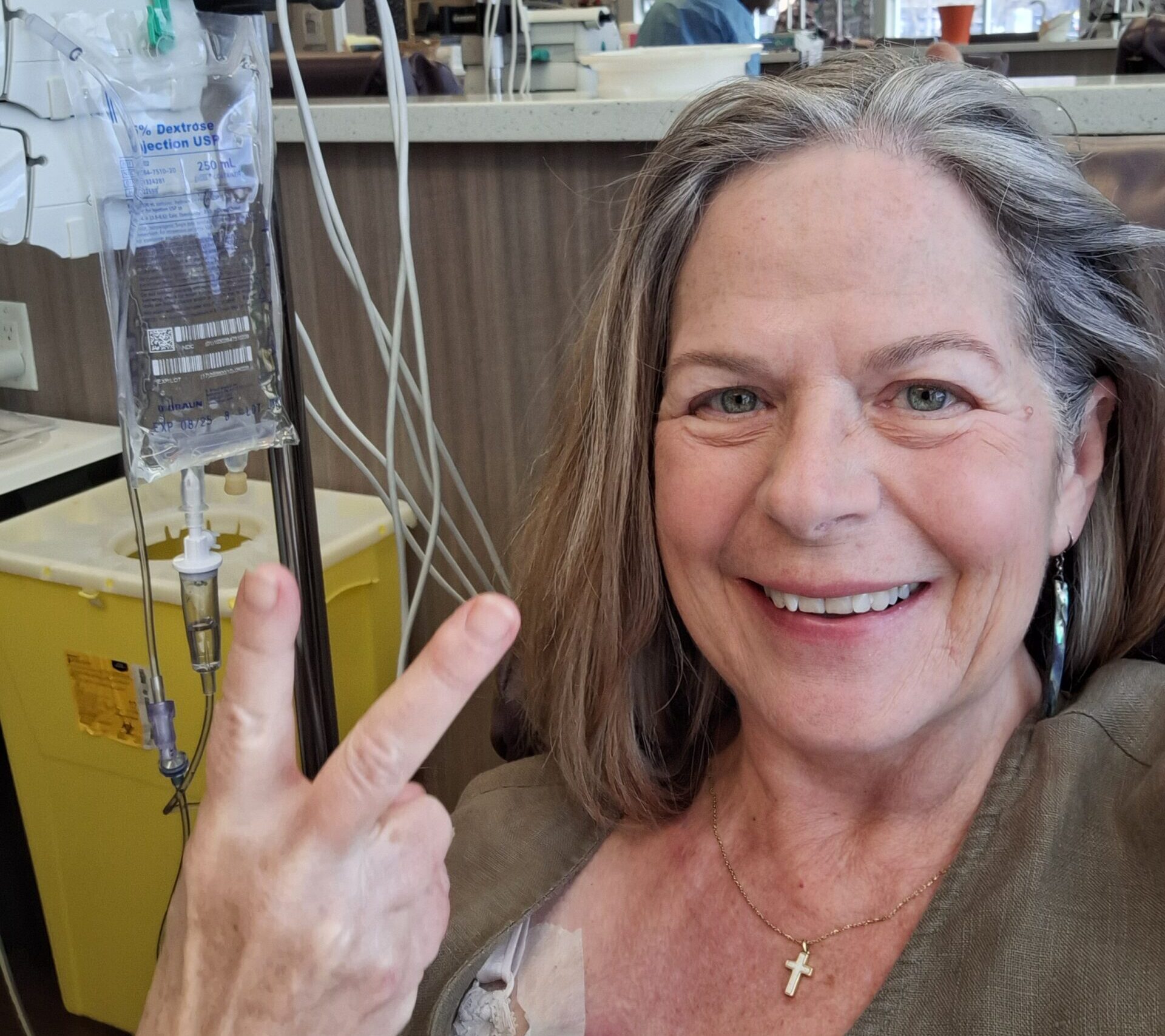
Combination Chemotherapy
Patients who can tolerate combination chemotherapy that includes oxaliplatin (Eloxatin®) are often prescribed:
- Folfox — combination treatment with IV 5-FU (fluorouracil), leucovorin, and oxaliplatin
- CapeOx — combination treatment with capecitabine (a chemotherapy pill similar to 5-FU) and oxaliplatin.
Any patient receiving chemotherapy containing 5-FU or capecitabine should undergo DPD testing prior to beginning treatment.
Alternative Chemotherapy
Patients who have medical reasons not to use combination chemotherapy may be prescribed chemotherapy with a single drug:
- Xeloda® (capecitabine) — an oral “prodrug” which is converted to 5-FU in the tissues
- 5-FU and leucovorin — an intravenous chemotherapy drug given with a vitamin (leucovorin) that enhances the effect of 5-FU.
Your doctor can discuss the advantages and disadvantages of the different chemotherapy regimens for your individual needs.
Any patient receiving chemotherapy containing 5-FU or capecitabine should undergo DPD testing prior to beginning treatment.
Radiation
follow-up radiation may be recommended.
Radiation is not a routine treatment for stage III colon cancer.
Immunotherapy for dMMR/MSI-H Cancers
If your tumor tests positive for mismatch repair deficiency (dMMR) or microsatellite instability (MSI-H), your doctor may recommend adding an immunotherapy drug called atezolizumab (Tecentriq) to your FOLFOX or CapeOx regimen. Ask your care team whether your tumor has been tested for this, since it can change what your treatment plan looks like.
Aspirin After Surgery
If your tumor tests positive for changes in the PI3K pathway, your doctor may recommend a daily aspirin for 3 years after surgery to help lower the risk of recurrence. Ask your care team if your tumor has been tested for this.