Braidwood Management Inc. v. Becerra is a legal case challenging a part of the Affordable Care Act (ACA) that mandates health insurers and employer-sponsored health plans cover preventive healthcare services (including colorectal cancer screening) at no cost to patients. The case is expected to be before the U.S. Supreme Court in spring 2025.
What Braidwood v. Becerra is About
The central argument in the Braidwood case is that the U.S. Preventive Services Task Force (USPSTF), an independent advisory body responsible for recommending preventive services like cancer screenings, does not have the appropriate legal authority to make these decisions.
The plaintiffs (those bringing the case against the U.S. Government) argue that the ACA’s use of recommendations from the USPSTF is unconstitutional, because USPSTF members are not appointed by the president or confirmed by the Senate. If the plaintiffs win, it could disrupt or eliminate the ACA’s mandate requiring insurers to cover preventive services without out-of-pocket costs.
What This Means for Colorectal Cancer Screenings
One of the major concerns in this case is its potential impact on colorectal cancer screenings, which are among the services covered by insurance at no cost under the ACA.
Currently, the USPSTF recommends that adults at average risk of colorectal cancer aged 45 to 75 undergo routine colorectal cancer screenings. Under the ACA, insurers must cover these screenings without charging copayments, deductibles, or coinsurance. This provision has significantly expanded access to early detection and preventive care for colorectal cancer.
If the Braidwood case leads to a ruling that the ACA’s preventive services mandate is unconstitutional, insurers may no longer be required to cover these screenings without out-of-pocket costs, potentially reducing access to colorectal cancer screenings across the country.
Additionally, if the Supreme Court changes or eliminates the ACA’s preventive care rules, states might create their own rules for cancer screenings and other preventive services. This could lead to inconsistent coverage across the country and could exacerbate health inequities, particularly among populations that already face challenges in accessing healthcare.
When Happens Next?
Though exact dates have not yet been released, oral arguments for the case are expected in spring of 2025 with a decision likely coming in summer of 2025.
Though the outcome of the case is still uncertain, Fight CRC is working with advocacy partners across the colorectal cancer screening space to explore all possible scenarios and how they might impact access to colorectal cancer screening to ensure access to CRC screening is protected no matter the outcome.
Fight CRC will continue to monitor the case and provide updates. Sign up to be an advocate to stay in the know!
Published March 14, 2023
National nonprofit advocacy organization Fight Colorectal Cancer (Fight CRC) is bringing together nearly 200 colorectal cancer survivors, caregivers, and advocates for the 17th Annual Call-on Congress event. Advocates will meet members of Congress to share their personal experience with colorectal cancer and to request they allocate more funds to colorectal cancer research and prevention programs.
Colorectal cancer (CRC), which embraces colon and rectal cancers, is the second-leading cause of cancer deaths for men and women combined in the United States. While the disease typically impacts an older population, over the last decade there has also been an unexplained increase in colorectal cancer incidence among those under the age of 50. In 2030, it is estimated that colorectal cancer will be the leading cause of cancer deaths for those ages 20-49, according to a 2021 JAMA study.
Call-on Congress is an annual advocacy event, hosted by Fight CRC, which for the last three years due to COVID-19 has been hosted virtually. In 2023, advocates will return to Capitol Hill to meet with members of Congress and their offices to advocate for:
$51 million for the CDC’s Colorectal Cancer Control Program (CRCCP), which will allow the CDC to fund additional screening programs and enable more widespread implementation of evidence-based interventions to increase screening rates among the nation’s most vulnerable populations.
$20 million to create a Colorectal Cancer Research Program within the Department of Defense (DoD) Congressionally Directed Medical Research Program (CDMRP). Currently colorectal cancer is the second-leading cause of cancer death for men and women and the only cancer within the top five cancer killers not to have its own research program within the CDMRP.
Their member of Congress to become a champion for colorectal cancer and change the statistics around the disease by joining the Colorectal Cancer Caucus.
We are hosting the largest Call on Congress event to date. Survivors and their families from across the country will bravely share their stories and will ask policy makers to prioritize funding for the 2nd leading cause of cancer death in our country.
Call-on Congress 2023 is sponsored by: Exact Sciences, Exelixis, Foundation Medicine, Fujifilm, Guardant Health, Intuitive, Merck, No-Shave November, Pfizer, and Ruesch Center for the Cure of GI Cancers.
Published March 13, 2023
National advocacy nonprofit (Fight Colorectal Cancer) and The Colon Club, a nonprofit that has been raising awareness of colorectal cancer in young adults in “out-of-the-box” ways since the 2000s, are excited to announce that by the end of 2023, the two organizations will begin operating as one. For many years, leaders of the two organizations have formed close relationships, and advocates involved in both groups have shared their stories and gotten involved to create change. The merger will maximize the organizatons’ impact and expand the reach into the early-onset colorectal cancer community.
In 2000, The Colon Club became one of the first organizations to bring attention to early-age onset colorectal cancer. After being diagnosed with colon cancer on her 23rd birthday in 1999 and told she may be the only patient in the country, or the world, facing the disease so young, Molly McMaster Morgoslepov set out to do something about it. She co-founded The Colon Club and found crazy, attention-grabbing ways to bring awareness that colorectal cancer was happening in people well under age 50. Along the way, she met other patients who faced similar situations. For two decades, many young adults have joined The Colon Club through their many projects and online Message Boards to connect and offer up their stories.
Focusing on early-onset colorectal cancer is especially important because research shows the trends are increasing. According to a 2021 JAMA study, colorectal cancer is projected to become the leading cause of cancer related deaths in the next seven years for those under 50 if something doesn’t change. And between 1995 and 2019, colorectal cancer rates have doubled among people under 55, even as the overall incidence declined, according to new data from the American Cancer Society.
We are proud that The Colon Club has trusted Fight CRC to continue their mission to raise awareness for early-age onset colorectal cancer,” said Anjee Davis, Fight CRC President. “Fight CRC will continue the work of The Colon Club by providing a safe place for young survivors to meet and share stories.
I was fortunate enough to be able to step away from The Colon Club for a few years and when I came back to the table, it was incredible to see the changes, all because more people were allowed to add ideas,” said McMaster Morgoslepov. “Fight CRC has been a large part of that because our missions and the people just seem to mesh. I’m beyond excited to see what will happen when the merger is made official, and more passion and experience are added to the mix.
Through the merger, The Colon Club will operate as a program powered by Fight Colorectal Cancer. Fight CRC and The Colon Club are dedicated to providing the community with an even stronger strategic network for early-age onset colorectal cancer survivors and will continue to mobilize young colorectal cancer survivors.
Published March 10, 2023
On March 10, 2023, the White House hosted the White House Cancer Moonshot Colorectal Cancer Forum to discuss progress and opportunities in colorectal cancer awareness, screening, access, and treatments. It was an incredible opportunity to have the colorectal cancer community, including patients and caregivers, highlighted at the highest levels of government. Fight Colorectal Cancer (Fight CRC) was honored to attend to discuss what this community has accomplished as well as highlight challenges and barriers that remain.
From day one, the focus of Fight Colorectal Cancer has been to ensure the patient voice is heard. It’s our belief that when leaders see and hear those impacted by their decisions, change occurs. On March 10, we continued to blaze the trail by joining colorectal cancer leaders, advocates, and industry partners at the White House Cancer Moonshot Colorectal Cancer Forum.
This forum continued to build on efforts that began in July 2022 when Fight CRC brought together a diverse group of stakeholders at the White House to discuss their common goal – to prevent and ultimately live in a world without colorectal cancer. Collaboratively, we are the catalyst that will continue to make significant progress against this deadly disease.
Working Group
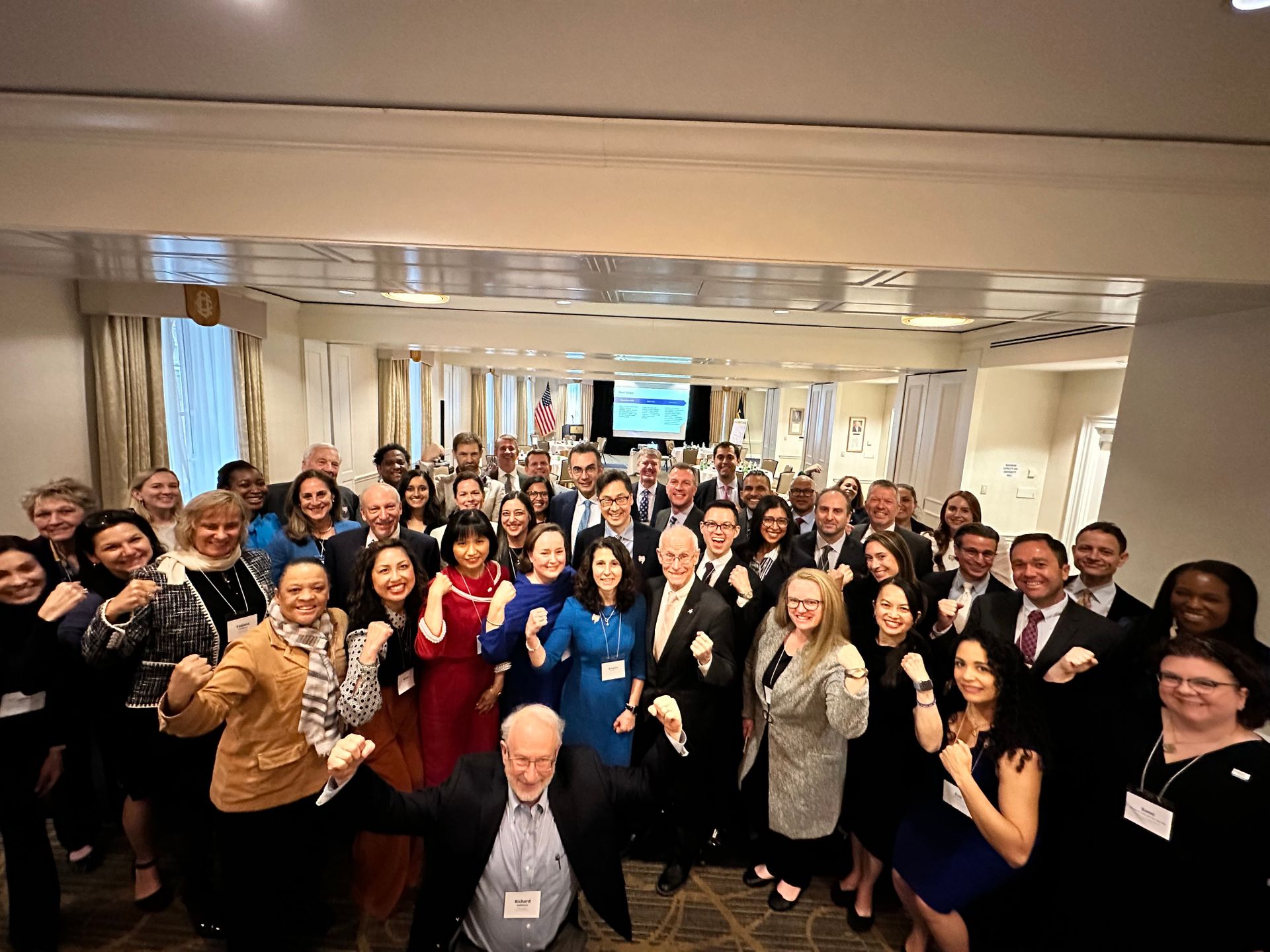
Alongside the White House forum, Fight CRC hosted a working meeting focused on setting actionable goals and fostering collaboration to advance colorectal cancer screening.
This working group brought together patient advocates, business leaders, physicians, representatives from the Cancer Moonshot program, and federal agencies. See the full list of participants below:
Sami Abate, PhD, MSHS, MSN, RN, CCRN, CNML, Assistant Vice President, Nursing Excellence & Clinical Research, Inspira Health
Nasim Afsarmanesh, MD, Chief Health Officer, Oracle Health
Carolyn “Bo” Aldigé, Founder, Prevent Cancer Foundation
Lance Baldo, MD, Chief Medical Officer, Freenome
Kevin Ban, MD, Executive Vice President & Global Chief Medical Officer, Walgreens Boots Alliance, Inc
Andrew Barnell, MBA, Co-Founder & Chief Executive Officer, Geneoscopy Inc.
Austin Chiang, MD, MPH, Chief Medical Officer, Gastrointestinal, Medtronic
Kevin Conroy, JD, Chief Executive Officer, Exact Sciences
David Dirks, MBA, Vice President of Strategy, Intermountain Health
Mary Doroshenk, MPH, Senior Director, Advocacy and Alliance Relations, Exact Sciences
Cathy Eng, MD, FACP, FASCO, Director, VICC Young Adults Cancer Program, Vanderbilt University Medical Center
Riley Ennis, MS, MBA Co-Founder & Chief Product Officer, Freenome
Jackie Gerhart, MD, Vice President of Clinical Informatics, Epic
Richard Goldberg, MD, Professor Emeritus, West Virginia University
Owen Garrick, MD, MBA, Chief Medical Officer, Clinical Trial Services, CVS Health
Justin Guinney, PhD, Senior Vice President, Cancer Genomics, Tempus AI
Jody Hoyos, MHA Chief Executive Officer, Prevent Cancer Foundation
Julie Hamburg, MPH, Director, Patient Advocacy, Guardant Health
Rachel Issaka, MD, MAS, Physician and Colon Cancer Researcher, Fred Hutchinson Cancer Center
Tatjana Kolevska, MD, Medical Director, Kaiser Permanente Cancer Care, Kaiser Permanente
Kathryn Kundrod, PhD, Senior Advisor of Cancer Moonshot Policy Coordination, White House Office of Science & Technology Policy
Lisa Lacasse, MBA, President, American Cancer Society Cancer Action Network
Manoja Lecamwasam, MD, System Vice President, Intellectual Property and Life Sciences Innovation, CommonSpirit Health
David Lieberman, MD, Professor of Medicine, Oregon Health & Science University (OHSU)
Julia Liu, MD, Professor of Medicine, Morehouse School of Medicine
Abner Mason, Founder & Chief Executive Officer, SameSky Health
Fola May, MD, PhD, Associate Professor of Medicine, UCLA Health
Paul Mikulecky, MD, Vice President and Chief Medical Officer, CareMore Inc.
Arif Nathoo, MD, Co-Founder & Chief Executive Officer, Komodo Health
Angela Nicholas, MD, Chief Clinical Officer, North Region, Jefferson Health
Anne-Louise Oliphant, MPP Vice President of Communications, American College of Gastroenterology
Swati Patel, MD, Associate Professor of Medicine, University of Colorado Anschutz Medical Campus
Kimberly Powell, Vice President, General Manager Healthcare, NVIDIA
John Popp, MD, Medical Staff Lead, AMSURG
Victoria Reid, Vice President of Corporate Development, Freenome
David Rhew, MD, Global Chief Medical Officer & Vice President Healthcare, Microsoft
Lisa Richardson, MD, MPH, Director, Division of Cancer Prevention and Control, Centers for Disease Control and Prevention (CDC)
Lee Schwartzberg, MD, Head of Oncology, Renown Health
Brian Solow, MD, Chief Medical Officer, Optum Life Sciences
AmirAli Talasaz, PhD, Co-Founder & Co-Chi
Keynote Speakers
The meeting started with a welcome from Catharine Young, PhD, Assistant Director for Policy and Engagement for the Cancer Moonshot, whose mother is a three-time colorectal cancer survivor, and Andrea Palm, Deputy Secretary, U.S. Department of Health and Human Services (HHS). Palm discussed the importance of working across government agencies to increase colorectal cancer screening in all communities, as well as the importance of making up those screenings that were missed during the pandemic. Danielle Carnival, PhD, Deputy Assistant to the President for the Cancer Moonshot and Deputy Director of Health Outcomes at the White House Office of Science and Technology Policy, shared remarks about the Cancer Moonshot goals, and the progress made.
NBC News Anchor, Craig Melvin, shared his experience with his brother, Lawrence, diagnosed with stage IV colorectal cancer in 2016. Lawrence passed away at age 43 in December 2020, and Melvin has used his platform to be an advocate for the colorectal cancer community ever since.
Finally, singer, artist, and colorectal cancer caregiver, Simone Ledward Boseman, shared her personal story of love and loss of her beloved husband, Chadwick Boseman. She spoke about the seemingly glamorous life they were living publicly, while privately they were navigating not only the challenges of cancer treatment, but also the fear that his health condition would become exposed and a topic of tabloid gossip.
“He was 39 – 11 years away from what at the time — would have been his first regular colon cancer screening.” –Simone Ledward Boseman
Boseman shared her frustration and heartbreak of not knowing about the impact of colorectal cancer on Black men and women, not knowing what to look for, and that a simple test could have potentially saved his life. She stressed how important access and information is to saving lives.
Panel 1: A Discussion on Access to Colorectal Cancer Screening
The first panel was moderated by Brooks Bell, an early-age onset colon cancer survivor, CDC Foundation Board Member, and Lead from Behind Founder, and focused on colorectal screening and prevention. The panel included the following speakers:
Anjee Davis, MPPA, President, Fight Colorectal Cancer
Lisa Richardson, MD, MPH, Director, Division of Cancer Control and Prevention, Centers for Disease Control and Prevention
Karen Knudsen, MBA, PhD, Chief Executive Officer, American Cancer Society and American Cancer Society Cancer Action Network
Michael Sapienza, Chief Executive Officer, Colorectal Cancer Alliance
Key themes that emerged throughout the discussion were the importance of focusing on health equity and working with local communities to inform and engage people to get screened. Broad awareness campaigns are important for reducing stigma tied to colorectal cancer, but one person telling their story is so powerful for activating someone to action and screening. People want to see real people who have had the same issue or know someone who has.
“We must tackle the second leading cause of deaths in our country and hold our leaders accountable to investing in this cancer because we have to be able to provide access to care for all. We can do that by leveraging the power in this room. We need a long-term investment in access to quality of care.” –Anjee Davis
There was agreement among the panelists that all screening modalities have the potential to save lives and so we need to work to educate the public to not only raise awareness but also help them understand their options.
Dr. Richardson emphasized the importance of going into the communities to learn what people need. Learn what language they speak and the words that are important to them. Meeting people where they are is crucial. Equally important is addressing the barriers to screening such as providing paid time off for a colonoscopy or potentially having a screening site during non-traditional hours to allow people to navigate their work schedule.
“There’s great research out there that shows if you only offer a FIT test, if you only offer a colonoscopy, people will walk away. Because they want choice. They want to do the thing that they feel is best for them, and what they need to do. So in our programs [at the CDC], that’s what we do.” –Dr. Lisa Richardson
The panelists also discussed the importance of including primary care physicians in the process of determining what a person’s screening plan should look like based on age and family history. They also discussed the importance of optimizing electronic health records to better support the screening process.
Panel 2: Improving Access in All Communities
The second panel was moderated by Candace Henley, CPN, 20-year colorectal cancer survivor diagnosed at age 35, and Chief Surviving Officer and Founder of the Blue Hat Foundation. The panelists, who discussed how to address disparities in colorectal cancer, included:
Matthew McCurdy, Co-founder and President, BLK Health
Fola May, MD, MPH, Assistant Professor of Medicine and Director of Quality Improvement in Gastroenterology, UCLA
Jim Mccrae, MA, MPP, Associate Administrator, Bureau of Primary Health Care Health Resources and Services Administration
Elmer Huerta, MD, MPH, Director, Cancer Preventorium, MedStar Washington Hospital Center
Dr. May spoke about the difficulties facing federally qualified health centers (FQHCs), which provide care for people who are of low income or may lack insurance. She explained that FQHCs are often not part of an integrated health system, and therefore, sometimes struggle to connect patients to gastroenterologists when they need a colonoscopy. While stool-based screening tests are useful tools, if a patient receives an abnormal result, they require follow-up with a colonoscopy to complete the screening process.
“We are at a rapidly changing landscape for colorectal cancer, not only in who it’s presenting and how, but also the technologies that are about to hit the stage. So if we don’t consider equity as we roll out those technologies, we will worsen disparities.” –Dr. Fola May
McCrae explained that when the funding for FQHCs is increased, it’s because the health centers were able to measure and show impact. Additional funding can help support extended hours and provide additional resources to the communities.
The importance of community engagement was at the heart of Dr. Huerta’s remarks. Dr. Huerta works within the Latino community, and he said that 30 years ago, most of his patients were solely treated with chemotherapy and passed away because they were too advanced to be cured by the time they came to his clinic. By speaking about prevention and screening, and meeting people where they are in their communities, Dr. Huerta was able to increase the number of patients who were screened for colorectal cancer.
BLK Health serves as a translator of information and also partners with community organizations who can deliver messages to communities in a way that is meaningful to them. McCurdy gave an example that a message to Black people living in Houston, Texas, will be different from a message to Black people living in Atlanta, Georgia.
“We know that when information comes out, it comes out at a certain level. But low-income communities and underserved communities of color often miss information. … How do we get information into the hands of people that actually need it?” –Candace Henley
The panel also discussed the importance of including rural areas, LGBTQ populations, and persons with disabilities in discussions around health equity. Dr. May emphasized the need for improved metrics and data collection. Focusing on the LGBTQ community: We do not have numbers, and we do not measure gender identity. Currently information about gender identity and sexual orientation is not collected on government health forms, clinics or hospitals. Unless we have metrics to support that there are differences and disparities, we cannot find and disseminate solutions. For rural populations, access to high quality care is a challenge. Patient navigation is crucial in underserved populations since a patient navigator could guide someone through tests or screening, talk them through the prep process, and assist them with access to treatment and care.
Panel 3: Advancements in Targeted Treatments
The third and final panel was moderated by Nilo Azad, MD, Co-Leader, Cancer Genetics and Epigenetics and Developmental Therapeutics, Johns Hopkins Sidney Kimmel Comprehensive Cancer Center, and panelists discussed opportunities for improving treatment options for colorectal cancer patients. The panel included:
Arif Nathoo, MD, CEO and Co-Founder, Komodo Health
Phuong Gallgher, President, Colon Club; Research Advocates Training Support (RATS) Program Manager, Fight CRC; and stage IV, 15-year rectal survivor diagnosed at age 29
Elad Sharon, MD, MPH, Medical Oncologist, Cancer Therapy Evaluation Program, National Cancer Institute
Cathy Eng, MD, FACP, FASCO, Professor of Medicine; Co-Leader, VICC Gastrointestinal Cancer Research Program; David H. Johnson Chair in Surgical and Medical Oncology; Co-Director, GI Oncology; Director, VICC Young Adults Program; Co-Chair, NCI Gastrointestinal Steering Committee, Vanderbilt University Medical Center
Dr. Nathoo spoke about how real-world data is integral to patient health care because it presents an opportunity to look at the composition of a population and to see the entire journey of a patient. Dr. Nathoo noted when you do this on a large scale, it becomes impossible not to see the level of disparity with colorectal cancer and having that data makes it possible to drive intervention.
Dr. Sharon discussed his work in early drug development at the National Cancer Institute and acknowledged that although there has been great work to date on colorectal cancer, more work needs to be done. He highlighted that there have been decades of missed opportunities of doing more to alleviate side effects, such as peripheral neuropathy in patients. There is a need to use the information from clinical trials and electronic records to better drive innovation in cancer.
Dr. Eng spoke about her work in conducting clinical research with a focus on early onset colorectal cancer. Dr. Eng discussed the importance of personalized medicine (precision oncology), but acknowledged that one of the challenges is that it requires us to break colorectal cancer down into small subsets requiring many patients to be screened to identify those who could potentially benefit from enrolling in clinical trials. To get patients to enroll in clinical trials is also a challenge so we need to do more to make it easier for patients to participate, since less than 10% of patients enroll in clinical trials. Telehealth was mentioned as a way to be able to work with patients to give them access to participate in clinical trials.
Gallagher spoke about leveraging technology, such as telehealth, to help increase access to clinical trials and care by helping patients “cross state lines.” This was used successfully during the COVID-19 pandemic, but now the emergency provisions have ended, many of these flexibilities are going away. Another challenge for patients to enroll in clinical trials is affordability. If patients cannot get reimbursed for the cost of time lost from work and travel, many may not be able to participate in clinical trials. All patients deserve access and affordability to quality care and clinical trials.
Dr. Sharon spoke about ways to innovate so more patients could participate in clinical trials. Currently NCI brings clinical trials to patients in their local communities through cooperative groups. Finding the right clinical trial for patients could lower costs, increase access, and improve outcomes.
The panelists also discussed the importance of educating patients about clinical trials and dispelling myths about clinical trials being a “last resort.” By educating patients through conversations, Gallgher pointed out that doctors could increase enrollment, retention, and screening (for potential participation) for clinical trials. Gallagher also noted that clinical trials tend to be thought of in terms of “saving my life,” so trials that are not directly lifesaving but could improve quality of life tend to get lost.
Finally, the panel closed out by discussing what they would do with $5 billion dollars. Ideas included democratizing access to data to help people get to better treatment, faster; to highlight the disparities and address them; to share across public and private institutions and to do it for patients; getting into the communities and providing support throughout the patient journey with navigators; government PSA campaigns normalizing discussion of colon and rectum health; learning more about circulating tumor DNA; and greater reimbursement for NCI-sponsored studies to engage more institutions with the NCI and CDC clinical trials process. Aa
What’s Next?
The forum concluded with remarks from Danielle Carnival, PhD, Deputy Assistant to the President for the Cancer Moonshot. She thanked the participants saying, “I heard a lot of progress, heart, and hope. But I also heard a lot about how much we have left to do.”
Dr. Carnival charged everyone to “focus on how the world must be different when we come together again next March as part of Colorectal Cancer Awareness Month to have made our precious time together here worthwhile.”
And Fight CRC plans to do just that.
Published March 7, 2023
The White House will host a Cancer Moonshot Colorectal Cancer Forum on Friday, March 10 from 3-5:30pm ET in recognition of Colorectal Cancer Awareness Month. Anjee Davis, President of national advocacy organization Fight Colorectal Cancer (Fight CRC) is a speaker and a participant in this event. This meeting builds on a July 2022 meeting at the White House, when Fight CRC brought together a diverse group of stakeholders to discuss their common goal — to increase screening and ultimately decrease deaths from colorectal cancer.
As part of the reignited Cancer Moonshot, First Lady Jill Biden announced a call to action on cancer screening to jump-start progress on the nearly 10 million cancer screenings in the United States that were missed as a result of the pandemic. On July 25, 2022, Fight CRC convened a work group of patient advocacy and business leaders with White House Cancer Moonshot coordinators and representatives from federal agencies. They leveraged their shared commitment to increasing colorectal cancer screening to help meet the Cancer Moonshot goals. The meeting was just the beginning of conversations between the work group, White House, and federal agencies for sharing ideas and developing innovative solutions.
Our focus at the Cancer Moonshot Colorectal Cancer Forum is to advocate for taking action, not just talk about it but operationalize change,” said Anjee Davis, Fight CRC President. “We need to dig deeper into the systemic and behavioral patterns that accompany colorectal cancer from screening to treatment and identify the best opportunities to intervene, educate and – ultimately – drive large-scale advancements. We have the momentum to do this, and it will ultimately save lives.
The Cancer Moonshot Colorectal Cancer Forum will occur just two days before Fight CRC advocates from across the country will come together to place more than 27,000 blue flags to represent the number of people ages 20-49 who will be diagnosed with colorectal cancer in 2030. It is projected that by 2023, colorectal cancer will be the leading cause of cancer deaths in those under 50. Advocates will also meet with their members of Congress to request they allocate more funds to colorectal cancer research.
In less than a year, Fight CRC has made significant progress in their advocacy efforts by gathering and working collaboratively with leaders and stakeholders to break down barriers and boldly consider strategies to increase access to colorectal screening. Watch the Cancer Moonshot Colorectal Cancer Forum live on March 10 at wh.gov/live.
Published March 1, 2023
Colorectal cancer is projected to be the leading cause of cancer deaths among those ages 20-49 in the next seven years if something doesn’t change.
The installation, consisting of more than 27,000 blue flags representing the color of colorectal cancer (CRC), will bring attention to the cause at the base of the Washington Monument from March 12-23, 2023. It’s a breathtaking, somber visual of the reality that in 2030 27,400 people under age 50 are projected to be diagnosed with the disease. It’s a heartbreaking projection since the disease can be prevented if caught early.
As part of the March awareness efforts, Fight CRC is uniting partners from across the community and beyond. A rally will be held at the United in Blue installation on March 13 from 11am-12:30pm ET. The rally is supported by partners across the colorectal cancer community working collaboratively to fight this disease:
American Cancer Society Cancer Action Network
American Cancer Society National Colorectal Cancer Roundtable
American College of Gastroenterology
American Gastroenterological Association
American Indian Cancer Foundation
American Society for Gastrointestinal Endoscopy
AMSURG
Association of Black Gastroenterologists and Hepatologists
California Colorectal Cancer Coalition
Cancer Support Community
CDC Foundation
Colon Cancer Coalition
Colon Cancer Stars
Colorado Cancer Coalition
Colorectal Cancer Alliance
eviCore
FORCE: Facing Our Risk of Cancer Empowered
Geneoscopy
GI Cancers Alliance
Hitting Cancer Below the Belt
Hollingsworth Colorectal Cancer Awareness Fund
Man Up to Cancer
National Alliance for Hispanic Health
National Coalition for Cancer Survivorship
National Comprehensive Cancer Network® (NCCN®)
National LGBT Cancer Network
National Minority Quality Forum
Nebraska Cancer Coalition
ONE CANCER PLACE
PALTOWN Development Foundation
Prevent Cancer Foundation
The Blue Hat Foundation
The Collaborative Group of the Americas on Inherited Gastrointestinal Cancer
The Colon Club
The Raymond Foundation
United Ostomy Associations of America
There has been a lack of progress in developing effective therapeutics for colorectal cancer; rising rates of colorectal cancer in people under the age of 50; and persistent health disparities in colorectal cancer prevalence, screening, and outcomes. United in Blue is a visual indication for policymakers to show the number of people under 50 projected to be diagnosed with colorectal cancer in 2030, which highlights the need to increase colorectal cancer research funding and develop a plan to address the community’s needs.
“We relentlessly raise awareness each March, but this year there is a renewed sense of urgency. Lives are at stake, and we can do more to prevent these statistics from becoming a reality,” said Fight CRC President Anjee Davis. “Young lives are counting on us to act now and fight for more.”
Many of Fight CRC’s events in Washington, D.C., for Colorectal Cancer Awareness Month 2023 and the United in Blue installation are sponsored by: Amgen, Bristol Myers Squibb, Daiichi Sankyo, Exact Sciences, Exelixis, Fujifilm, Foundation Medicine, Genentech, Guardant Health, Intuitive, Merck, Miralax®, Natera, No-Shave November, Pfizer, Ruesch Center for the Cure of GI Cancers, and Taiho Oncology.
Published February 10, 2023
Legislation recently signed into law in New York and New Jersey will provide residents with increased access to colorectal cancer screening. These laws update the age for such lifesaving screenings from 50 to 45 in accordance with United States Preventive Services Task Force (USPSTF) guidelines released May 2022. The laws also remove out-of-pocket costs for patients who need to have a colonoscopy following a positive non-invasive screening test, making New York and New Jersey two of 13 states across the nation to do so.
Colorectal cancer is the second most common cause of cancer deaths among men and women combined in the U.S. Only 64.9% of New Yorkers and 59.6% of New Jersians ages 50-64 are up-to-date on colorectal cancer screening. For patients who choose to undergo a colonoscopy for screening, most health plans will now cover the procedure once they turn 45. For those who choose to use a non-invasive test, should the non-invasive screening test come back positive and the patient needs a colonoscopy, this procedure will now also be covered at no additional cost. The legislation removes a major barrier for patients making the decision to get screened.
In 2023, it’s estimated that over 8,970 people in New York and 4,220 people in New Jersey will receive a colorectal cancer diagnosis..
Fight Colorectal Cancer (Fight CRC) President Anjee Davis applauds the two states for these prevention measures:
We started the Catalyst State-By-State Advocacy Program to support real change in colorectal cancer policy at the state level. We are proud to have played a role in bringing New York and New Jersey over the finish line to increase access to colorectal cancer screening. We could not do it without the tireless work of advocates alongside us in these states.
Fight CRC partnered with the American Cancer Society Cancer Action Network (ACS CAN) on legislative action in New York and New Jersey. President Lisa Lacasse was also pleased to see legislation approved:
We applaud New York and New Jersey lawmakers and dedicated advocates for pushing to eliminate barriers to cancer screening. Without this important change in legislation, inequities in colorectal cancer would continue as some patients would incur cost sharing for follow-on colonoscopies after a positive non-invasive test, a cost resulting in delayed or skipped procedures with potentially life-threatening consequences due to imposing financial hardship for those on fixed incomes.
Theresa Maschke, New Jersey resident and caregiver to her husband, Joe, a stage III survivor, testified at the hearings considering the proposed legislation. “When Joe and I testified before the Senate committee this past May, we saw and felt their empathy for what our family went through with Joe’s colorectal cancer diagnosis and how this is a battle we continue to fight every day even though Joe has had no evidence of disease since July 2019,” Maschke said. “When we testified before the Assembly committee, each of them thanked us individually for sharing our story, and as they cast their votes, one assemblywoman said, ‘My husband is 52, and tonight, I am going home and tell him he needs to get his colonoscopy.’ Our ultimate goal of all of this was so no family ever has to go through what our family did. This law will save lives.”
Background on the Law in New Jersey
A-3523/ S-2305 requires health insurers to cover colorectal cancer screenings recommended by the United States Preventive Services Task Force and eliminate cost-sharing for required follow-up colonoscopies after a positive non-invasive screening test with the goal of improving screening rates across New Jersey. The bill enjoyed strong bipartisan support in both chambers of the legislature and was signed into law by Governor Phil Murphy on February 2, 2023.
Background on the Law in New York
A2085-A helps ensure colorectal cancer screening coverage for New Yorkers at average-risk starting at age 45, and ensure that state regulated insurance plans cover, with no cost-sharing, follow-up colonoscopies after a positive non-invasive stool test. It was signed into law by Governor Kathy Hochul on December 23, 2022.
Continued Advocacy
While the original bill, passed by both houses in the spring, would have expanded coverage for every New Yorker on a state regulated, commercial health plan, the Governor’s office insisted on limiting it only to large group Affordable Care Act (ACA) compliant plans. The result is that approximately 170,000 participants of short-term duration, non-ACA compliant plans, are excluded from such coverage. Fight CRC and ACS CAN will continue to work to secure coverage for those New Yorkers.
Approximately 90 percent of all individuals diagnosed with colorectal cancer at an early stage are still alive five years later, meaning a colonoscopy can literally save a person’s life when a polyp is found and removed by stopping any cancer formation in its tracks.
In 2023, the American Cancer Society estimates that there will be 106,970 new cases of colon cancer and 46,050 cases of rectal cancer in the US and a total of 52,550 people will die from these cancers.
According to the CDC, There are more than 20 million Americans eligible for CRC screening who have not been screened.
Colorectal cancer is on the rise among young adults. According to a 2021 JAMA study colorectal cancer is projected to be the leading cause of cancer deaths for those ages 20-49.
Resources for Residents living in New York or New Jersey Over the Age of 45, Now Eligible Under New Law. For more information or to find the nearest screening options, go to www.cancer.org/colon or call 1-800-227-2345.
New York and New Jersey are grantees of Fight CRC’s Catalyst State-by-State Advocacy Program. The program is a competitive grant program created to support colorectal cancer policy change at the state level. The goal is to accelerate progress toward turning aspirational colorectal cancer screening goals into reality by increasing access and reducing barriers to colorectal cancer screening.
Published January 13, 2023
Robert, a father of two, husband and salesman who travels around the world for work, started experiencing abdominal pain and found himself feeling more tired than usual. At first, he chalked these symptoms up to a busy work schedule and diet changes due to business travel but decided to see his doctor for a checkup to be safe.
After talking through his symptoms, Robert and his physician agreed that a colonoscopy was required to get to the root of the problem.
During the colonoscopy, Robert’s physician found and was able to completely remove several polyps, some of which were pre-cancerous.
Fortunately, because Robert’s cancer was found in its early stages, he was able to undergo a successful surgery. Today, Robert is cancer free and lives a fruitful life doing the things he loves: spending time with his family and working in a rewarding career.
Individuals like Robert are embracing life today for one simple reason: Colonoscopy. Thanks to this non–invasive screening exam, Robert’s doctors caught colorectal cancer soon enough to save his life.
CRC: Treatable and Beatable
Colorectal cancer (CRC) is the third most common cancer in men and women in the United States and the second most deadly behind lung cancer. In 2024 CRC moved up from the fourth to the third most common cancer, and of all cancers, CRC is expected to take the most lives of people under 50 by 2030.
The U.S. Preventive Services Task force strongly believes that regular screenings are the best way to keep this cancer at bay, leading to their decision in 2021 to lower the age for CRC screenings to 45 after a worrisome spike in cases of CRC in people younger than 50.
While the statistics are unsettling, medical device innovators are continuously bringing new and advanced endoscopy solutions for use in hospitals and ambulatory surgery centers (ASCs) across the country. This is crucial as screening with endoscopes can find pre-cancerous polyps so they can be removed before they turn into cancer. They can also detect CRC early when treatment works best.
This means that with proper screening, CRC can be one of the most preventable, treatable, and beatable diseases.
Out Front About Looking Inside
Let’s face it. The topic of colonoscopy can make some people anxious, embarrassed, or even afraid. Thankfully, many organizations and celebrities have taken steps to reduce any potential worry surrounding colonoscopy.
Singer/songwriter Sheryl Crow, actor Ryan Reynolds, racecar driver Scott Lagasse, Jr., professional quarterback Dak Prescott, and Texas Rangers third-base coach Tony Beasley have all been involved in initiatives to raise awareness about the importance of screenings. Indeed, celebrities are very much out front about looking inside!
After all, that’s exactly what a colonoscopy, which is performed with an endoscope, does. The Greek prefix “endo-” means “within, inside.” With endoscopes, physicians can look inside the body to detect, diagnose, and treat diseases in minimally-or non-invasive ways—so conditions that once required surgery can now be addressed without even making an incision.
However, while screening modalities can effectively reduce CRC incidence, U.S. screening rates remain low at 67%.
It isn’t surprising, then, that coincident with the decrease in endoscopic procedures, there was a concerning increase in early-onset colorectal cancer. That’s why now it’s more important than ever for all stakeholders—doctors, patient advocacy groups and medical device companies—to encourage patients to get back on track with their routine screenings.
This is why Fujifilm has partnered with Fight CRC.
Moreover, Fujifilm’s innovations support both the screening and treatment of CRC worldwide to help to tackle the surge of early-onset colorectal cancer.
Next Generation Technology
Staying true to our photography and imaging roots, one of Fujifilm’s most impactful solutions available today uses high-definition imaging to give physicians a greater look at what’s happening inside the body – now with the help of Artificial Intelligence (AI).
New advancements in AI help alert patient’s physicians of polyps in real-time – both visually and audibly – even those that can be hard for the human eye to see. Studies show that Fujifilm’s newest AI technology for endoscopy – known as CAD EYE – is supporting physicians by helping to identify polyps during colonoscopy procedures in real-time.
Also in 2024, Fujifilm introduced SCALE EYE, a new and innovative endoscopic imaging technology for measuring colonic polyps. A patient’s polyp size is important, as the size helps the endoscopists determine how often a patient should return for follow-up screening or how they should remove the polyps.
While the industry has had access to a few tools like physical endoscopic rulers to help measure polyps once they are removed, they are cumbersome to use and time-consuming. Early results of Fujifilm’s SCALE EYE technology – a virtual measuring tool visible through the endoscope at the touch of a button – show it is superior in terms of accuracy and time compared with other traditional methods.
Advancing Care and Education
Fujifilm is advancing patient care and physician education at hundreds of clinical settings across the U.S., from leading academic medical centers to small ambulatory surgery centers (ASCs). For example, fully integrated Fujifilm endoscopy systems have been installed at Dartmouth, in Colorado at PEAK Endoscopy, as well as at the University of Florida, New York University, Ohio Gastro Group, in Virginia at VCU Health, in Washington State at Providence St. Joseph’s, and in Jacksonville at Mayo Clinic to name a few.
One of the most exciting installations is at Brigham and Women’s Hospital in Massachusetts which has been Fujifilm’s long-term endoscopy research partner and collaborator and is consistently ranked in the top tier of hospitals in the nation.
In 2022, Fujifilm equipped the 15,000-member American Society for Gastrointestinal Endoscopy (ASGE) Institute for Training & Technology, and global leader of advancement and education in the field of GI endoscopy, with 16 of Fujifilm’s industry-leading ELUXEO Endoscopic Imaging Systems and twenty 700 Series Endoscopes. The suite of comprehensive endoscopy solutions was installed in August 2022 and is utilized throughout ASGE’s live and virtual training programs for both endoscopy fellows and seasoned endoscopy professionals.
What’s more, Fujifilm forges strategic partnerships with leading physicians from numerous prominent healthcare institutions around the world. These renowned doctors provide input that helps us optimize existing technology and contributes to the development of next-generation advanced technologies that can lengthen and save lives.
Innovation and collaboration fuels Fujifilm and our partners. Our collective mission is to raise awareness, boost screening compliance, and improve colorectal cancer patient outcomes. Talk to your doctor about colonoscopy screening today. It could save your life tomorrow.
Transforming for the Bigger Picture
Many people know Fujifilm for its instant [“INSTAX”] and digital cameras, but did you know the company began applying its expertise in imaging healthcare by developing x-ray film from its photo film in 1936?
Since then, Fujifilm has been transforming its core technologies developed from manufacturing photo film and has committed much of its energy toward medicine, biotechnology and healthcare.
The reinvention of the company’s enterprise and mission is so extraordinary it became a classic Harvard Business Case Study and a more recent Fortune Magazine feature story.
Our digital cameras are developed with X-Trans CMOS sensors to produce high quality images with the rich color, tonality and dimensionality required to capture the big picture. Now imagine adapting and transforming this imaging technology to enable the detail and precision required to visualize the smallest of microvessels in your GI tract. That’s innovation.
Today, Fujifilm’s medical imaging innovations are a key player in that transformation and are put to use in frontline healthcare facilities across the globe. Our robust medical imaging portfolio includes solutions for digital radiography, mammography, computed tomography, MRI, ultrasound, gastroenterology, pulmonology, endosurgery, minimally invasive surgery, as well as an award-winning enterprise imaging portfolio.
From blazing new trails in the field of technology to working towards a healthier society through healthcare innovations, Fujifilm understands the importance of building a better future for all. For 90 years, Fujifilm has developed and expanded our healthcare business in the areas of prevention, diagnosis, and treatment. As a comprehensive healthcare company with a wide range of technologies and expertise, we will never stop innovating for a healthier world.
Published January 11, 2023
National nonprofits Fight Colorectal Cancer (Fight CRC) and Colon Cancer Coalition have partnered to scholar over 40 colorectal cancer (CRC) survivors, caregivers, and loved ones to attend Call-on Congress, an advocacy event hosted in Washington D.C. on March 13-14, 2023. Call-on Congress provides advocates the opportunity to share their stories and educate members of Congress on the issues impacting the CRC community.
“Fight CRC is so thankful for the strong partnership with the Colon Cancer Coalition,” said Anjee Davis, Fight CRC President. “We were able to provide twice as many scholarships with their support. With more voices represented, we can fight for more and remind Congress that colorectal cancer remains underfunded by the federal government, even with the latest data that found colorectal cancer is projected to be the leading cause of cancer deaths in those under the age of 50 by 2030.”
Advocates at Call-on Congress will be meeting in-person with their members of Congress for the first time since the pandemic and asking for the Department of Defense to create a Colorectal Cancer Research Program within the Congressionally Directed Medical Research Program. They will also urge their members of Congress to support increased funding and expansion of the CDC’s Colorectal Cancer Control Program for prevention and early detection.
“The efforts of Fight CRC to keep colorectal cancer in front of our legislators is critical to reducing colorectal cancer deaths, reducing barriers to screening, and furthering research into this highly preventable disease,” says Chris Evans, president of the Colon Cancer Coalition. “We are pleased to partner and support more patient’s voices to be heard in Washington D.C.”
To learn more and register for Call-on Congress 2023 visit FightCRC.org/ConC.
Published December 15, 2022
Fight Colorectal Cancer (Fight CRC) announced today that they have committed $150,000 per year for a three-year research fellowship to study clinical data at Tempus, a leader in artificial intelligence and precision medicine. The awarded researcher will receive access to Tempus de-identified datasets and analytical platform to identify insights and gaps that are occurring in colorectal cancer (CRC) clinical research.
“Colorectal cancer has historically been understudied and underfunded even though it is the second-leading cause of cancer deaths and by 2030 is projected to be the leading cause of cancer deaths in those ages 20-49,” said Anjee Davis, Fight CRC President. “I am thrilled to see this project move forward. We partnered with Tempus to think outside of the box and together we worked to find a way to increase access to the data to benefit colorectal cancer patients and the cancer research community. We will be working very closely with the post-doctoral fellow who is awarded with this role. This is an important step forward on our Path to a Cure.”
Part of the fellowship involves furthering biomarker testing, which has become an indispensable step in treatment planning for colon and rectal cancer patients. The patients’ treatment possibilities have been greatly extended due to the advancements in biomarker testing, although more research is needed to better understand biomarkers. The awarded researcher will have access to one of the world’s largest databases, which will allow them to explore real-world data to improve the understanding of CRC and patient outcomes. GI medical oncologist Dr. Scott Kopetz, MD Anderson Cancer Center; Dr. Rich Goldberg, former West Virginia University Cancer Institute’s (WVUCI) Director; and Andrea Dwyer from the University of Colorado Cancer Center, advisor to Fight CRC, will provide mentorship and collaboration for the fellowship.
“Tempus is excited to partner with Fight CRC in this first-of-its-kind postdoctoral program,” said Justin Guinney, Senior Vice President of Cancer Genomics at Tempus. “By enabling direct access to Tempus’ large, real-world multimodal database, we hope to develop new insights into colorectal cancer to support physicians in optimizing patient care while also furthering therapeutic research.”
Since 2008, Fight CRC has allocated reserved research dollars to convene researchers, train research advocates, and directly fund research such as the Tempus research fellowship. The fellowship is primarily supported by generous donors who give toward Fight CRC’s annual Climb for a Cure event and those who designate that their gift to Fight CRC go directly to research.
“Tempus, Fight CRC, and researchers at leading cancer centers united in their goal to improve outcomes for people with CRC have partnered to create this opportunity to support a committed candidate so that they can hone their skills in the integration of genomics, AI techniques, and clinical/translational research as preparation for a productive career employing these tools to improve patient outcomes,” said Dr. Rich Goldberg, Fight CRC Board Member. “This is a spectacular opportunity for an early career investigator to acquire skill sets crucial to achieving better outcomes.”
The postdoctoral research fellowship is an open position, and interested candidates can apply here. Supporters who want to continue to advance colorectal cancer research are encouraged to make a donation to Fight CRC.