Fight Colorectal Cancer (Fight CRC) and Collaborative Group of the Americas on Inherited Gastrointestinal Cancer (CGA-IGC) are proud to announce the granting of the second ‘Early Career Award’ to further the advancement of patient care and support for individuals and families affected by hereditary cancer syndromes. This research grant aims to drive progress in science, clinical care, and advocacy specifically geared toward patients with inherited colorectal cancer syndromes, familial colorectal cancer, and early-onset colorectal cancer (EAO CRC).

The 2023 CGA-IGC and Fight CRC ‘Early Career Award’ is being granted to Dr. Alessandro Mannucci of the Beckman Research Institute. Dr. Mannucci’s work is dedicated to gastrointestinal cancer, with a focus on hereditary cancer syndromes and early-age onset cancers. The awarded research project will center on, “a novel blood test – one that is pragmatic for clinical settings, cost-effective, patient-friendly, and sensitive in detecting EAO CRC.”

By 2030, colorectal cancer is poised to emerge as the leading cause of cancer-related fatalities among individuals under 50 years of age. This alarming trend is exacerbated by the fact approximately 5-10% of colorectal cancer cases have a hereditary component, and up to 25% of all colorectal cancer (CRC) cases are attributed to a high familial risk. Recognizing the urgent need to address this growing health concern, Dr. Mannucci is pioneering research endeavors aimed at enhancing the care provided to patients with advanced colorectal polyps who face an increased familial risk of CRC. Future avenues of investigation will involve expanding the study to encompass multiple healthcare centers and other high-risk CRC diagnoses.

“We are honored to grant the ‘Early Career Award’ alongside our partners at CGA-IGC supporting groundbreaking research in early-age onset colorectal cancer,” said Anjee Davis, Fight CRC President. “Dr. Alessandro Mannucci’s innovative work in developing a non-invasive biomarker for early-onset colorectal cancer is a beacon of hope for patients and their families. This ‘Early Career Award’ reinforces our shared commitment to driving progress in science, clinical care, and advocacy, ultimately enhancing the well-being of those affected by this disease. Our partnership is dedicated to making a real and lasting impact.”

“We greatly appreciate our continued partnership with Fight CRC, which supports our shared mission to address the rising tide of early-onset colorectal cancer,” said Dr. Peter P. Stanich, CGA-IGC President. “Routine screening remains challenging despite reducing the CRC screening age to 45, and new options are needed. We are excited by Dr. Mannucci’s study goal to develop non-invasive biomarkers as an exciting step to identify a noninvasive, patient-friendly screening test. We look forward to our continued collaboration with Fight CRC to support young leaders contributing to breakthrough research endeavors that will have a huge impact on the affected patients and their families.”

In partnership, CGA-IGC and Fight CRC will host an event to officially announce the award on October 26, 2023 at the CGA-IGC Annual Conference in Las Vegas, Nevada. Their shared mission is to enhance the well-being of patients and their families by ensuring state-of-the-art research and clinical care paradigms inform the development of patient support tools and drive policy changes in an equitable and inclusive manner.

Maia Walker, Lead Curator of the Fight CRC Trial Finder, and Manju George, Scientific Director at Paltown Development Foundation, interviewed Richard L. Schilsky, MD, FACP, FSCT, FASCO, Principal Investigator of the TAPUR clinical trial.

Highlights of the TAPUR study:

  • TAPUR is a clinical trial for people with late-stage cancer.
  • It’s studying whether selected targeted therapies  can be effective for patients who no longer have standard treatment options available when matched to genomic alterations in a tumor.
  • Results will hopefully lead to increased personalized medicine options for more patients.
  • The study is currently recruiting participants to receive pembrolizumab (KEYTRUDA®) that targets the POLE gene.
  • Talk with your oncologist about testing the tumor for gene abnormalities to determine if the tumor has an abnormal POLE gene.

Clinical trials are critical to finding a cure for colorectal cancer. As an advocacy organization dedicated to supporting and empowering a community of patients, caregivers and families, Fight CRC has partnered with COLONTOWN to deliver a monthly blog series highlighting everything patients need to know about clinical trials and the best treatment options available.

More Fight CRC Resources

Introduction

TAPUR stands for Targeted Agent and Profiling Utilization Registry. We wanted to learn more about this trial that has been ongoing for about seven years and continues recruiting patients.

The study is currently recruiting participants to receive pembrolizumab (KEYTRUDA®) that targets the POLE gene. You may want to talk with your oncologist about testing the tumor for gene abnormalities to determine if the tumor has an abnormal POLE gene.

The TAPUR Study is an ongoing and enrolling clinical trial with over 250 clinical sites across 28 states conducted by the American Society of Clinical Oncology (ASCO). Talk to your oncologist about this clinical trial or locate a participating center near you.

What is the TAPUR Study?

Maia: Dr. Schilsky, let us begin by saying that it is an honor having you here to learn more about this multibasket trial you launched in 2016, the first clinical trial by ASCO. In simple words, please tell us what the TAPUR study is about. How is this different from other trials?

Dr. Schilsky: The TAPUR Study is a clinical trial for people with late-stage cancer to study whether selected targeted therapies when matched to genomic alterations in a tumor can be effective for patients who no longer have standard treatment options available. Results will hopefully lead to increased personalized medicine options for more patients.

The study is designed to be pragmatic, which means it is meant to be practical and to use tests and evaluations that are aligned with routine clinical care.

For example, the study

  • has broad eligibility criteria and allows patients with advanced and metastatic disease
  • collects the minimum necessary data (no additional data is collected only for research purposes)
  • allows for flexibility including flexibility in treatment decisions
  • has the option for study drug to be mailed directly to the participant homes (if oral drug).

All drugs used on the TAPUR Study are provided from collaborating pharmaceutical companies at no cost to the participants.

Colorectal Cancer Patients

Manju: We know that the trial has an estimated enrollment of almost 3,000 participants, across 28 states, and has many arms and interventions. What arms of this trial might be pertinent for patients with colorectal cancer?

Dr. Schilsky: Trial arms that are relevant to a specific patient depend on the genomic alterations detected in the patient’s tumor. There are several cohorts for patients with colorectal cancer that are currently enrolling, like the pembrolizumab cohort for POLE mutations. There are also other arms, for example, the abemaciclib cohort for colorectal cancers with a CDKN2A loss or mutation, and the nivolumab + ipilimumab cohort for colorectal cancers with a BRCA1/BRCA2 mutation.

Here is a list of open treatment arms in the study, and more information can be found on the TAPUR website.

It is important to remember that study arms can close or suspend at frequent intervals, and that spots cannot be held for patients.

Maia: What would you reply to a patient who asks, “My tumor does not have mutations in the genes for which targeted treatments are available, can I still get on the trial?”

Dr. Schilsky: From the genomic report, your doctor will know if you have alterations that are a variant of unknown/uncertain significance (VUS) or an equivocal result. We have a Molecular Tumor Board that can review genomic results and assist in determining if a VUS/equivocal alteration can be targeted with a TAPUR study drug or if there are any other potential treatments or trials outside of TAPUR.

Maia: Is there a particular time a patient should consider this trial?

Dr. Schilsky: Yes, the TAPUR Study can be considered once you are no longer benefitting from standard of care options, or when there are no standard of care options available. Your oncologist would determine if a TAPUR study drug may benefit you after reviewing the genomic profile results of your tumor.

Impact of the Trial

Manju: How has this trial been helpful to the field, so far, for colorectal cancer, or other cancers?

Dr. Schilsky: The TAPUR Study has reported findings from cohorts that have completed enrollment on whether a cohort has a positive result that warrants further study, or a negative result that did not result in effective control of disease. For example, the pertuzumab + trastuzumab cohort that targeted an ERBB2 amplification or overexpression in patients with colorectal cancer was found to show effectiveness in decreasing the size of the tumors.

Pembrolizumab was effective in treating colorectal cancers with high tumor mutational burden, as was the combination of vemurafenib + cobimetinib for colorectal cancers with a BRAF_V600E/D/K/R mutation.

In other cancers, pertuzumab + trastuzumab was effective in treating gallbladder and biliary tract cancers with ERBB2 amplification, and olaparib was effective in advanced pancreatic cancers with BRCA1/BRCA2 mutations.

There are more TAPUR Study results for various tumor types, drug, and alteration cohorts available on the TAPUR Study website.

Genomic Sequencing

Manju: Is tumor genomic sequencing part of this trial or should a patient get it outside of trial?

Dr. Schilsky: Genomic sequencing must be done prior to enrollment on the TAPUR Study. It’s acceptable to use genomic sequencing results that were obtained prior to screening. No new biopsy is needed, and any standard genomic profiling test is acceptable for the study.

Your oncologist can help you find out if obtaining a genomic profiling test could be beneficial for your cancer care. Insurance coverage for a genomic profiling test varies, depending on your insurance plan. Your cancer care team and representatives of your insurance plan can help you understand the details of your plan and the coverage for the costs of the test.

Look for resources about Managing the Cost of Cancer Care. In addition, companies that perform genomic testing may offer assistance programs for paying for the tests. This information can typically be found on the test provider’s website.

Stay Tuned

Once a month, Maia Walker and Manju George spend time unpacking important research trials, tips, and advice for our community. Be sure to subscribe to sign up with Fight CRC and join COLONTOWN’s online community to continue receiving the most relevant updates in the CRC world!

You can also follow Maia (@sassycell) and Manju (@manjuggm) to stay updated on research and trials and visit ClinicalTrials.gov  for more information on trials.

Colorectal cancer, the second-leading cause of cancer-related deaths in the United States, disproportionately impacts the Black community. Recognizing the urgency of this issue, Fight Colorectal Cancer (Fight CRC), the nation’s largest colorectal cancer (CRC) advocacy organization, is set to host their inaugural panel at The Congressional Black Caucus Foundation’s Annual Legislative Conference (ALC). Scheduled for September 22, 9-10 am EST, this panel will convene experts, advocates, and policymakers to address the critical disparities in colorectal cancer outcomes among Black Americans.

Fight CRC’s panel titled ‘A Call to Action: Fighting Colorectal Cancer in the Black Community’ is co-hosted by Members of Congress, including Representative Donald Payne Jr. (D-NJ) and Representative Nikema Williams (D-GA). The panel will feature colorectal cancer researcher Dr. Fola May, who serves as the Associate Director of the UCLA Kaiser Permanente Center for Health Equity, Simone Ledward Boseman, artist and caregiver, Dr. Robert Winn, Director and Lipman Chair in Oncology, VCU Massey Cancer Center and Candace Henley stage II colorectal cancer survivor and Founder of The Blue Hat Foundation.

Colorectal cancer has a devastating impact on the Black community, with Black Americans being 20% more likely to receive a diagnosis of colorectal cancer compared to their white counterparts. Tragically, Black patients have a 40% higher mortality rate compared to white patients, and they are less likely to receive the recommended standard of care, including surgical treatment, radiation, and chemotherapy. Furthermore, colorectal cancer is increasing in young people, and according to JAMA, it is projected to be the #1 cancer killer of those under 50 by 2030.

As one of the few preventable cancers, there is an opportunity to change these alarming statistics and make significant progress by increasing access to awareness, education, screening, and treatment within the Black community. The panel at the Congressional Black Caucus Foundation’s ALC will serve as a crucial platform to address these disparities and chart a course toward a future where colorectal cancer no longer claims so many lives.

“We continue to stand firm in our conviction that everyone, no matter their ethnicity or origins, should have the means and knowledge to effectively prevent or fight colorectal cancer,” stated Anjee Davis, president of Fight CRC. “We are so proud to be a part of the Congressional Black Caucus Foundation’s annual conference. Our goal is to underscore that colorectal cancer is preventable if caught early yet continues to disproportionately impact Black and Brown communities.”

The panel discussion will focus on various aspects of colorectal cancer, including prevention, early detection, stigma, cultural barriers, social determinants of health, and how systemic inequalities contribute to health disparities. The insights shared during the event will raise awareness and foster a collaborative effort to reduce colorectal cancer disparities and improve outcomes for all communities.

For decades, the saying, “It’s the prep, not the procedure” has pretty well summed up the ills of the colonoscopy prep experience. The complaints have always centered around three issues: taste of the laxatives, unintended side effects (nausea, vomiting, bloating, and cramping), and hunger from fasting.

40 Years and Counting

Golytely® first came on the GI scene over 40 years ago as one of the early prescription preps. That same year Jimmy Carter was the president, the average cost of a new car was $7200, and millions of people tuned in to see who shot JR Ewing. While the world has changed dramatically, colon preps have not and remain a substantial barrier to many patients considering colonoscopy.

In a review of 58 studies with nearly 25,000 patients, the leading cause of anxiety related to colonoscopy was the bowel preparation1. Many a patient either declines or cancels their colonoscopy due to what they heard or experienced with colonoscopy preps.

So as a patient: “Do I have any choices in how I prep to make the experience easier?” The good news is emphatically, “YES!” But to be your own advocate, you need some basic information about colonoscopy preps and a behind-the-scenes look at the colonoscopy scheduling process.

Unpacking Laxatives

One of the first questions to consider is what types of laxatives are available and what are some of the differences in effectiveness and tolerability? Colonoscopy preps can be divided into some different categories but for our discussions let’s just look at Over the Counter (OTC) versus prescription preps.

Prescription preps

These have been FDA approved for colonoscopy preparation. Prescription preps are generally effective and tolerable in most patients. However, due to the sometimes high cost, bad taste, and side effects of prescription preps, GI doctors have also used OTC preps for many years as an alternative. OTC preps use combinations of laxatives indicated for constipation such as MiraLAX®, Dulcolax®, Senna and Magnesium Citrate. While not FDA approved, OTC preps have been used extensively and found to have similar safety profiles and success rates, making them a community standard in most areas.

A large real-world study comparing preps was performed at Cedars-Sinai Medical Center which included 4,339 patients and 75 different doctors2. They allowed doctors to use their regular preps (64% OTC versus 36% prescription) and compared bowel cleansing and tolerability. They found that the OTC and prescription preps performed similarly with respect to cleansing and tolerability, except for Golytely®, which was worse. Failure rates were comparable at around 8% for all preps, again except for Golytely®. In other words, almost all the preps tested performed fairly well and with similar results so there was no definitive “best” prep.

Who Chooses My Prep?

Most patients think the prep was specifically chosen for them by their doctor. The actual truth is most patient’s preps are chosen by the scheduler from a list of OTC and prescription preps OK’d by the doctor. Schedulers are either medical assistants or nurses that are typically office-based. Unfortunately, because they are primarily in the office, they do not get much exposure to the actual colonoscopy experience. They also do not get to hear the patient’s colonoscopy prep stories, and if they had any significant difficulties. Because of these factors, schedulers may choose colon preps based on some misperceptions.

One of the most common misperceptions is the cost of the prep. Rightfully so, many schedulers tend to be very cost-conscious and frequently use that to choose preps. Schedulers are commonly informed by industry reps that a prescription prep is “covered” by insurance. This can be easily misunderstood to mean the prep has “no cost” to the patient. What this means is insurance pays a portion of the cost, but the patients typically have a copay, and it is almost impossible to know what that amount is until the patient is at the pharmacy. In a quality improvement project for our office, we asked 500 patients with insurance what was their copay, or out-of-pocket expense, for their prescription prep. We found that patient copays ranged widely from $0-$165, with an average copay of $72 for their prescription prep. So “covered” does not mean free.

Eating… on Prep Day? A Low-Residue Diet May Be the Way.

Lastly, colonoscopy patients have routinely fasted with only clear liquid diets for 24-48 hours before the procedure. This causes extreme hunger, fatigue and in some populations, blood sugar issues and an ill feeling. While it is counterintuitive, we have known for quite some time that patients could eat a low residue diet while prepping.

A meta-analysis of 20 different studies involving 4,300 patients compared clear liquid diet to low-residue diet on the prep day3. They found that the patients eating a low-residue diet had a comparable cleanse to clear liquid diet, with higher patient compliance and satisfaction scores. However, it has been difficult to incorporate into prep directions without confusing patients, and so most practices still use very restrictive diets.

An observational study was performed with 546 patients looking at the performance characteristics of a low-residue food kit coupled with OTC laxatives for colonoscopy preparation4. The kit contained three small meals, three snacks, flavored electrolyte drink mixes, and the laxatives. The laxatives were dosed in a unique, intermittent-dosing schedule where the patient ingested small doses of laxatives with their meals, snacks, and drinks, instead of the traditional single or split dosing. The colonoscopy prep success rate was 98% (BBPS of 6 or >) and the average quality of cleanse was also excellent at BBPS of 8 (perfect score = 9). Patient satisfaction scores with high, as was compliance. The intermittent dosing schedule of the tasteless laxatives was thought to markedly reduce the frequent unwanted side effects often associated with other preps.

Eating… on Prep Day? A Low-Residue Diet May Be the Way.

There are some special considerations when picking a prep. If you have issues with chronic severe constipation, are significantly overweight, are on multiple medications, have renal failure or have failed a previous prep, then you need to have a discussion with the GI office and alter your colon prep appropriately.

So, what can you do to take charge of your prep experience? Know that you have a choice of preps. All colon preps can clean your colon, but it is frequently how well you tolerate the prep that makes the difference. Look at Drugs.com or Google reviews to see how other patients describe the taste of the prep, did they have any unwanted side effects and comparisons of the costs. Talk to your doctor about following a low-residue diet the day you’re prepping, to make the day more pleasant as well as making it easier to drink more fluids. There also may be a better dosing schedule that alleviates the side effects and improves the quality of your cleanse. Be your own advocate!

For more information, please visit HappyColonFoods.com or call 855-423-6637, and we would be happy to visit with you.

References

1Yang, Chengyue, et al. “Anxiety Associated with Colonoscopy and Flexible Sigmoidoscopy: A Systematic Review.” American Journal of Gastroenterology, vol. 113, no. 12, Dec. 2018, pp. 1810-1818., doi:10.1038/s41395-018-0398-8.

2Gu, Phillip, et al. “Comparing the Real World Effectiveness of Competing Colonoscopy Bowel Preparations: Results of a Prospective Trial.” The American Journal of Gastroenterology, vol. 152, no. 5, Feb. 2017, pp. 305-314., doi:10.1016/s0016-5085(17)31937-6.

3Zhang, Xubing, et al. “Low Residue Diet Versus Clear-Liquid Diet for Bowel Preparation before Colonoscopy: Meta-Analysis and Trial Sequential Analysis of Randomized Controlled Trials.” Gastrointestinal Endoscopy, vol. 92, no. 3, 2020, pp. 508-518.

4Scott, Jeffery, et al. “PEG 3350, Senna and Solid Food Based Bowel Preparation for Colonoscopy Appears Safe, Effective and Well Tolerated”. EC Gastroenterology and Digestive System 4.5 (2017): 142-151.

Written by Jeff Scott, MD, a practicing gastroenterologist with over 25-years’ medical experience and Founder/CEO of Happy Colon Foods.

Update: Over 50 organizations joined Fight Colorectal Cancer (Fight CRC) in sending a letter to the American College of Physicians (ACP) urging them to reconsider their recent colorectal cancer screening guidelines.

On July 31, 2023, the American College of Physicians (ACP) published updated clinical guidance maintaining 50 as the age when clinicians should start screening for colorectal cancer (CRC) in patients who are asymptomatic and at average risk. National advocacy organizations Fight Colorectal Cancer (Fight CRC), Blue Hat Foundation, Colon Cancer Coalition, the Association of Black Gastroenterologists and Hepatologists (ABGH), the American College of Gastroenterology (ACG), American Gastroenterological Association (AGA), and the American Society for Gastrointestinal Endoscopy (ASGE) stand united in upholding the United States Preventive Services Task Force’s (USPSTF) recommendations for colorectal cancer screening starting at age 45.

Since 2021 when groups such as USPSTF and Multi-Society Task Force on Colorectal Cancer lowered the colorectal cancer screening age recommendation from 50 to 45, advocacy organizations and physician groups have worked hard to communicate this change and raise awareness to reach average-risk patients age 45 and older who have not been screened. These guidelines were updated in direct response to the increase in the incidence of early-age onset colorectal cancer (EAO-CRC) and aligns with the American Cancer Society’s 2018 recommendation that screening begin at age 45. These recommendations have become even more urgent since JAMA released a report stating that by 2030, colorectal cancer is projected to be the leading cause of cancer deaths in people under 50. Black Americans are also 20% more likely to get colorectal cancer and 40% more likely to die from it than most other groups. This disease is disproportionately affecting the Black community, and it is more important than ever to ensure that all communities have equitable care and access to screening.

“The ACP’s decision to recommend colorectal cancer screening starting at age 50 rather than the USPSTF and ACS recommendation of age 45 is concerning,” said Anjee Davis, MPPA, president of Fight CRC. “Not only does this announcement potentially distract patients and create confusion for primary care physicians, but it also reduces the options available to them, particularly the lack of acknowledgement of noninvasive screening tests. Studies have shown that offering a variety of screening options improves adherence and patient participation. As a patient advocacy group, we firmly believe that a comprehensive approach to screening is crucial, incorporating both age-appropriate recommendations and non-invasive alternatives in addition to colonoscopy. By working together to increase colorectal cancer screening and message that all those over 45 should be screened, we can make significant progress in detecting and preventing this disease.”

“Early detection remains the cornerstone of successful CRC management,” said Candace Henley, Founder of Blue Hat Foundation. “Lowering the screening age to 45 could potentially catch many cases earlier, significantly improving survival rates and reducing the impact of CRC as a leading cause of cancer death in younger age groups. Despite the potential costs of lowering the screening age, there are long-term economic benefits to early detection. Treating advanced colorectal cancer is often more costly and resource-intensive than managing earlier stages of the disease; this does not even take into account reduced quality of life or premature mortality associated with late diagnosis. Drawing on the latest research and forecasts, it is imperative that the ACP revise its recommendation to include endorsing colorectal cancer screening from age 45 for individuals at average risk who are asymptomatic. By joining forces with the ACS, USPSTF, and advocacy organizations in this effort, we can make a greater impact in reducing colorectal cancer mortality rates.”

“In an environment where we are seeing a dramatic increase in early-age onset colorectal cancer, it is shocking that ACP would limit availability and screening choices for patients,” says Chris Evans, president of the Colon Cancer Coalition. “We know that screening saves lives. Patients should have the choice of the screening option that works best for their personal risk factors, comfort level, and lifestyle, including non-invasive options. The Coalition advocates for screening choice and screening at age 45 to prevent early death and increased quality of life for patients.”

“Up to 10% of colorectal cancer diagnoses occur in those younger than age 50,” said Sophie Balzora, MD, President and co-founder of the Association of Black Gastroenterologists and Hepatologists (ABGH). “The GI community is incredibly concerned that all the work done to impart the critical importance of timely screening at age 45 to prevent colorectal cancer will be legitimately threatened by this guideline that deviates from the USPSTF and MSTFCRC recommendations.”

“ACG is disappointed with ACP’s recent guidance on colorectal cancer which dismisses the increasing rates of colorectal cancer in individuals under age 50. While we agree that the majority of new colorectal cancer cases occur in those age 50 and older, we have strong evidence that screening reduces the risk of colorectal cancer. The current incidence rates of colorectal cancer in individuals 45-50 years are where we started with 50-year-olds almost 30 years ago. There is also evidence that these cancers are detected at advanced stages,” said ACG President Daniel J. Pambianco, MD, FACG. “In ACG’s 2021 CRC screening clinical guidelines, our approach is to curb this rising trend in younger individuals and reduce the societal impact of young individuals developing and dying from a preventable cancer. We strongly recommend colorectal cancer screening, and starting at age 45 is a simple message that can help with adherence.”

“Studies show that colorectal cancer is increasing in younger patients and we have data backing screening for average risk patients at 45. Bottomline: it saves lives. To release contradictory guidance is reckless.” Barbara Jung, MD, AGAF, President, American Gastroenterological Association.

“Conflicting messages from respected authorities causes confusion among the public and providers. This guidance undermines efforts to further lower colorectal cancer incidence in the US and could impact the gains made in screenings and lives saved especially in the most vulnerable populations, said Jennifer Christie, MD, FASGE, ASGE President. Screening starting at age 45 saves lives. ACP’s guidance is misguided and runs counter to numerous published evidence-based guidelines including the USPSTF recommendations that are developed using gold standard methods to systematically review the best available evidence.”

The USPSTF, MSTFCRC, and ACG guidelines were developed for average-risk patients. Other professional organizations have developed separate guidelines for those at a higher risk of colorectal cancer due to a family history, genetic mutation, inflammatory bowel disease (IBD), or personal history of colorectal cancer. Also, knowing the signs and symptoms of colorectal cancer is critical. It is important for patients to understand their risk of colorectal cancer and talk with their doctor about screening timing and options.

The collaboration among advocacy organizations such as Fight CRC, Blue Hat Foundation, Colon Cancer Coalition, ABGH, ACG, AGA, and ASGE, highlights the importance of on-time colorectal cancer screening starting at age 45 for average-risk patients; visit their websites for more information.

National nonprofit Fight Colorectal Cancer (Fight CRC) bringing smart, self-monitoring, semi-permanent Throne bathroom to Sandlot Anacostia throughout the month of June to raise awareness for colorectal cancer screening.

Fight CRC, Throne and Sandlot are bringing a special restroom to the vibrant DC local spot, Sandlot Anacostia. Sandlot Anacostia, founded, by DC native Ian Callender and team, has become a hub for promoting art, supporting Black creatives and businesses, and a gathering place for live music and summer events. This partnership between Throne Bathroom, Fight CRC, and Sandlot represents a unique blend of activism, community engagement, and urban revitalization. And it makes sense: According to the American Cancer Society, Black Americans are about 20% more likely to get colorectal cancer and about 40% more likely to die from it than most other groups.

This collaboration aims to shine a spotlight on the importance of early detection, prevention, and access to quality care while supporting the local community. The Throne is wrapped to feature a colorectal cancer screening quiz, and bathroom users can scan a QR code to find more information on screening options and request resources.

“We are honored to partner with Throne Bathroom and Sandlot Anacostia during the month of June to raise awareness for colorectal cancer screening in a unique and impactful way,” said Anjee Davis, Fight CRC President. “By providing attendees with a clean, convenient bathroom, we aim to empower individuals to take control of their health and prioritize colorectal cancer screening.”

“We’re thrilled to have the Fight CRC Advocacy Throne at Sandlot Anacostia to shine a spotlight on an issue that affects communities so disproportionately,” said Jessica Heinzelman, co-founder and COO of Throne. “By collaborating with Sandlot, an incredibly influential venue dedicated to community empowerment, we hope to foster conversations around this critical health issue.”

Ian Callender, owner of Sandlot, expressed his enthusiasm for the partnership, stating, “Sandlot is proud to support Fight CRC’s efforts to combat colorectal cancer with the Throne. This collaboration will not only bring attention to an important cause but also highlight the transformative power of cultural programming and community engagement.”

Throne, Fight CRC, and Sandlot are eager to embark on this joint venture, leveraging their respective strengths to make a meaningful difference. By combining Throne Bathroom’s expertise in providing exceptional restroom facilities with Fight CRC’s advocacy initiatives and Sandlot’s visibility and influence, this partnership is poised to create a lasting impact in the fight against colorectal cancer.

You can see and experience the FightCRC Advocacy Throne at upcoming Sandlot Anacostia events including: SoulTrak Soul Outdoors (6/15), Big Chune Party (6/22). For more events: sandlotanacostia.com.

Where your colorectal cancer first began matters. Not all colon cancers are the same. Knowing which side of the colon it originated can give you insight into your symptoms, impact how you heal post-surgery, and affect your treatment plan.

Your colon’s two sides

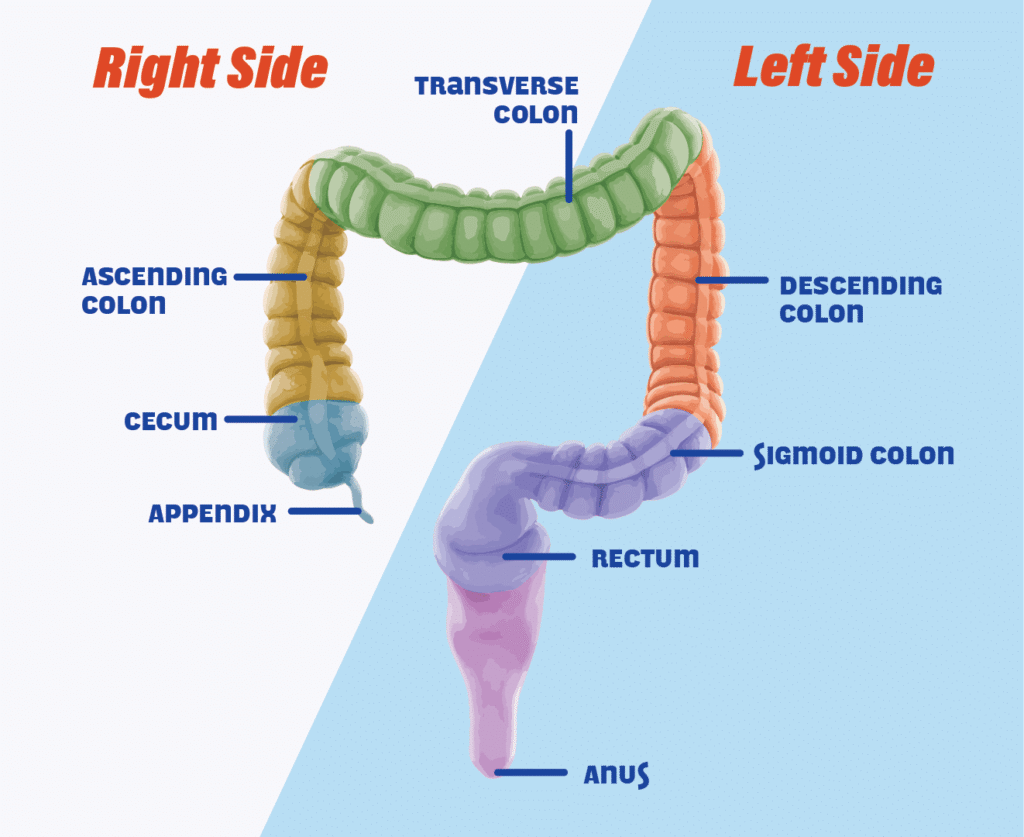
The colon is the longest part of the large intestine that measures up to five feet long. It’s broken out into five sections, which make up the colon’s two sides: the right side and the left side.

Cecum

Located on the right side.
Connects the small intestine to the beginning of the colon.
About 7% of colon cancer cases occur here.

Ascending colon

Located on the right side.
Runs upward and connects to the transverse colon.
Absorbs water and nutrients, making stool more solid.
About 15% to 20% of colon polyps and cancers occur here.

Transverse colon

Stretches across the top of the abdomen.
Moves waste from the right side to the left side of the abdomen.
About 20% to 30% of colorectal cancers occur here.

Descending colon

Located on the left side.
Stores stool before it moves to the rectum.
About 4% to 5% of colorectal cancers occur here.

Sigmoid colon

Located on the left side.
Shaped like an “S” and connects the descending colon to the rectum.
Contracts to move waste products to the rectum and anus.
Approximately 35% to 50% of polyps and colorectal cancer develop here.

Rectum

Considered left side, although not technically part of the colon.
If you have rectal cancer, the timing of surgery and treatment plans will differ from those with a colon cancer diagnosis.

Although pathologists typically classify all colorectal cancers as adenocarcinomas (cancers that originate from glandular tissue, which lines certain internal organs and makes and releases substances in the body, such as mucus, digestive juices, and other fluids), recent discoveries have shown that not all colon cancers are the same.

When examined under a microscope, they may appear similar, but they can have different genetic abnormalities that drive their growth.

These genetic variations partially depend on where in the colon the tumor develops.

If colon cancer is on your right side

Around 15% to 20% of polyps and cancers occur on the right side of the colon, specifically the ascending colon.

Prognosis

Right-sided tumors are often more challenging to detect during a colonoscopy because they can be flat and harder to see. This means patients with right-sided colon cancer are more likely to have advanced-stage (stage III or IV) cancer. These patients also tend to be older adults.

If you have an early stage right-sided colon cancer (stage I or II), you’ll have a better prognosis. Later-stage right-sided cancers are more challenging to effectively treat.

Tumors that develop due to hereditary cancer syndromes, like Lynch syndrome, are more commonly found in the right side of the colon. (This does not include cancers due to familial adenomatous polyposis).

According to the Cleveland Clinic, up to two-thirds of colorectal cancers in African Americans are right-sided colorectal cancers; however, they are MSS tumors.

Surgery

If you have a right-sided tumor, surgery may entail removing your cecum, ascending colon and/or a portion of the transverse colon.

Before your diagnosis, you may have experienced bleeding, anemia, or unintentional weight loss. Following surgery, you may initially notice looser and more frequent stools.

It can take months for your bowel to return to its normal state. If you have concerns or are experiencing problems, ask your doctor about using Imodium® or a bulking agent like Metamucil®, or ask if there’s any other medications, diets, or tips you can try.

Treatment

Right-sided colon cancer is more commonly associated with MSI-High tumors, which have a specific genetic change affecting the cell repair process that can lead to cancer. Right-sided tumors may respond better to immunotherapy compared to left-sided tumors.

If colon cancer is on your left side

Prognosis

Left-sided colon cancer occurs more frequently than right-sided colon cancer. The prognosis is generally better for patients with left-sided colon cancer compared to right-sided colon cancer. Left-sided tumors are more easily detected during a colonoscopy and are often found earlier.

Surgery

Before a diagnosis, you may have experienced constipation, a change in bowel habits, narrow, ribbon-like stools, bleeding, and/or abdominal pain. If you need surgery for a left-sided tumor, you’ll likely have a segment of the transverse, descending, and/or sigmoid colon removed, which should remedy these symptoms.

Depending on the tumor’s location, you may also have a portion of your rectum removed. Ask your doctor for clarification that you have colon cancer and not rectal cancer. Colon cancer originates in one of the five sections of the colon, while rectal cancer originates in the rectum. Treatment plans and processes will be different for each cancer type.

If you had left-sided colon cancer removed and are experiencing frequent, small bowel movements, gas-related issues may be more prominent.

Generally, post-operative stools tend to have more form, and a significant percentage of patients eventually return to a more normal bowel pattern and consistency over time, as long as the rectum has not been affected by the surgery.

LARS

If you have a very low sigmoid tumor near the rectum, a surgical procedure known as low anterior resection (LAR) is commonly performed. A common side effect of this surgery is a condition known as low anterior resection syndrome (LARS).

With LARS, the “return to normal” after surgery may take more time, or you may experience permanent changes in your bowel function. Some patients report increased urgency, a loss of storage function, and weakened muscle sensitivity.

If you’re experiencing LARS side effects, it’s important to educate yourself and learn about what to expect and ways to effectively manage it. Additionally, this LARS Facebook group has many patients offering tips on how to manage it.

Treatment

Left-sided colon cancer tends to respond better to chemotherapy compared to right-sided colon cancer and patients have a better prognosis if diagnosed at later stages (III and IV) than right-sided colon cancer. HER2 is more common in colorectal cancer in these locations, with 10% to possibly 15% of people that have a left-sided colon cancer having this biomarker.

Patient pro tips

Staying informed about the latest advancements and evolving treatments can be challenging. Not all doctors may be fully aware of the differences between left-sided and right-sided colon tumors. Therefore, it is important for you and your caregivers to be well-informed and self-advocate.

Knowing which section and side your colon cancer began on can give you clarity about your diagnosis and understanding about how to move forward.

“My cancer appeared on the right side. I have often wondered why the right side seems to be more common in the African American community. I am not tracking it, but when I talk with other survivors and compare cancers, the right side seems like it’s more common in my community, and my medical team said the same thing.”

Cheryl Alston, stage II survivor

“Knowing my tumor was on the left side of my body brought me clarity as I finally understood the ‘why and how.’ Although I have a high pain tolerance, this proved to me I wasn’t crazy: The pain was real and so severe, at times I felt spasmodic. The final results were very important to me as I was misdiagnosed on two previous occasions.”

Kim Houston, stage III survivor

“My tumor was rectal, about 3.5 cm above the anal verge. So, it’s left-sided. That said, I have had polyps in the ascending colon removed which were non-cancerous. I’d say I do have right-side risk for that reason. I’ve decided to dramatically limit alcohol consumption as a result, because that’s about my only risk factor. I’m negative for Lynch. I’m only having one bottle of wine per month now. One thing I’d mention about right vs. left side is that anecdotally, I’ve heard that right-side tumors have fewer obvious symptoms such as visible bleeding, so they can be more dangerous by being found later once cancer has spread. Screening is extremely important for avoiding right-side tumors, and young people especially need to be getting fecal testing done, check blood iron levels for anemia, and consider an early colonoscopy.”

Chris Carvalho, stage II survivor

Medical Input and Review

Ryan Fields, MD, surgeon, Siteman Cancer Center
James D. Waller, MD, colon and rectal cancer surgeon (retired)
Richard M. Goldberg, MD, professor emeritus, West Virginia University Cancer Institute

In this month’s Clinical Trial Conversations blog, we look at “Blue-button” trial matching, a new tool with the potential to help patients with cancer overcome one of the main barriers preventing them from participating in clinical trials.

Maia Walker, lead curator of Fight Colorectal Cancer’s Clinical Trial Finder, interviewed Mark Fleury, PhD, policy principal for the American Cancer Society Cancer Action Network (ACS CAN) and lead investigator on the project, and Sharon Shriver, PhD, project manager, Science Policy, at ACS CAN.

Highlights:

  • Blue-button matching is a new tool that can automatically identify relevant clinical trials through integration within electronic health records (EHRs).
  • The tool has the potential to quickly identify comprehensive trial availability within the region.
  • This may increase opportunities for patients to maximize access to the latest cancer innovation within their community.
  • ACS CAN convened stakeholders, including Fight CRC, to identify barriers to clinical trial enrollment. This idea came out of that meeting

Resources

Clinical trials are critical to finding a cure for colorectal cancer. As an advocacy organization dedicated to supporting and empowering a community of patients, caregivers and families, Fight CRC has partnered with COLONTOWN to deliver a monthly blog series highlighting everything patients need to know about clinical trials and the best treatment options available.

Introduction

Clinical Trials Day is celebrated on May 20 to recognize the day that James Lind, a Scottish surgeon working on a ship, conducted what is often considered the first randomized clinical trial in 1747, while looking for a viable treatment for scurvy, a condition that he came face to face with while out at sea. The sailors in the ”two oranges and a lemon” “arm” of the trial were the only ones who improved.

Clinical trials design evolved further during the 19th century with the introduction of the double-blind trial and during the 20th century with the inclusion of placebos. During this 21st century, the use of computer science and information technology keeps reshaping the clinical trials landscape. In this conversation, we learn more about one of these initiatives: Blue-button matching.

About the Blue-Button Matching Project

Mark: Blue-button matching is a new tool that can automatically identify relevant clinical trials through one-button clinical trial matching integration within electronic health records (EHRs). With just a few clicks in a medical record, this tool has the potential to quickly identify comprehensive trial availability within the region, and by doing so will increase opportunities for patients to maximize access to the latest cancer innovation within their community.

Sharon: It is not a new matching service. The Blue-button tool is unique as it connects EHRs to existing trial matching services, rather than creating a new matching service. This integration into the EHR puts the function into the workflow of providers and allows accurate, automated local and regional screening to occur.

Location of the clinical trial is often a key aspect for most patients looking to enroll. How could this tool help?

Mark: In an ideal situation, the right clinical trial would be available for each patient at the site where they receive their care. But even in academic research centers, that’s not always the case. On average, only one in four patients will be eligible for a clinical trial available at the institution where they are being seen.

This lack of onsite matching trials has been identified as the single largest barrier preventing patients from participating in clinical trials. But an appropriate trial might be offered at a neighboring institution, or in the next town, so we want to look in a broader area than just one institution. The Blue-button tool allows a user to designate a search radius, to find trials within a local region or farther away.

What happens most often today is that if no trial is available at the site where the patient is being seen, the only other option to find a trial typically involves the use of third-party clinical trial matching services such as ClinicalTrials.gov or various patient advocacy services like Fight CRC’s Clinical Trial Finder.

These services yield few enrollments because they require significant effort on the part of patients or clinicians (who may not be aware of their existence), and information to match patients to trials may be incomplete. The Blue-button tool was created to help address this gap.

Sharon: One of our hypotheses is that the use of the Blue-button tool will ultimately not only increase clinical trial enrollment, which is so important for the development and testing of new cancer drugs, but will also lead to increased diversity of clinical trial participants.

We know that more than half of all patients with cancer agree to participate in a clinical trial when offered the opportunity, but that few patients are provided the chance. We hope that the Blue-button tool will provide those opportunities to a larger and more diverse group of patients.

How does it work?

Sharon: The genesis of this project was a 2018 landscape report created by a group of stakeholders – including Fight CRC– convened by ACS CAN to identify barriers to clinical trial enrollment. A later meeting that drilled into some of the recommendations related to the trial matching ecosystem yielded the idea of Blue-button.

There was a lot of refinement of the idea, and then the initiative really took off when ACS CAN partnered with MITRE, a not-for-profit organization working in the public interest, through CodeX, one of the HL7® Fast Healthcare Interoperability Resources (FHIR®) Accelerators, to create the tool’s functionality.

CodeX is a member-driven community and platform to accelerate interoperable data modeling and implementation around mCODE (minimal Common Oncology Data Elements, an open standard language for cancer data), leading to improvements in cancer care and research.

The Blue-button tool provides basic trial screening within EHRs by sending a select number of de-identified, standardized patient data elements from the EHR (or entered by a provider) to external clinical trial matching services that then return the results for any matching trials within the region.

Tell us more about the testing phase and prospective studies.

Maia: During 2022, Blue-button was in the testing phase for technical validation of the tool. A set of de-identified, archival patient data was used to assess the tool’s functionality. Please, tell us about that–how it was done, what you have found out.

Sharon: We’re excited about the results of the technical validation study.

We performed the trial eligibility screening using just eight patient data elements (such as age, cancer type and stage, and biomarker status) that we extracted from archival patient records representing several different cancer types, including colorectal cancer.

A clinical provider then used the full patient record to confirm which trials returned by the tool fit the patient’s more complete profile (we call these “provisional” matches, since there may be additional eligibility factors that can only be assessed by individual review).

We found that on average, about half the trials returned by the tool were provisional matches, and that the review of each trial took just a few minutes. So that suggests that the tool is effective in locating potential trials, and that from an effort standpoint, it’s feasible to use within the clinical workflow.

Our next task was to test our hypothesis that searching for trials regionally did, in fact, provide patients with more options compared to looking at their health care site alone.

Again, the results were encouraging: Compared to onsite trials, we saw an impressive net increase in the overall regional provisional match rate when we used the tool to search within a 20-mile radius of the urban, academic health center where the patient records were based.

Maia: You’ll be launching a prospective study of the Blue-button tool for 500 patients, at different healthcare sites in the U.S. What are the goals of this study?

Mark: For the prospective study, the Blue-button software will interface with the patient EHRs so that we can test the real-time, in-workflow functionality of the tool. The tool will now be tested with more than 500 patients combined at multiple locations. One of these is the University of Texas Southwestern (UTSW) Harold C. Simmons Comprehensive Cancer Center, an urban, academic center. UTSW will enroll colorectal cancer patients as part of the cohort, which will include five different cancer types overall. We’re in discussion with other U.S. sites that may join the trial.

Patients who consent to participate in the study will be presented with clinical trials that are identified regionally by the Blue-button tool, and we will record whether they choose to participate and the factors that contribute to that decision. The roughly 12-month study will evaluate whether the tool can increase and diversify trial participation with minimal effort on the part of providers.

What’s next?

Mark: We appreciate Fight CRC’s ongoing participation in the Clinical Trial Barriers advisory group that continues to support this work with feedback and expertise. Watch for upcoming publications on the background work and technical validation study, and we will share news once we have actionable data from the prospective clinical trial.

Stay Tuned

Once a month, Maia Walker and Manju George spend time unpacking important research trials, tips, and advice for our community. Be sure to subscribe to sign up with Fight CRC and join COLONTOWN’s online community to continue receiving the most relevant updates in the CRC world!

You can also follow Maia (@sassycell) and Manju (@manjuggm) to stay updated on research and trials and visit ClinicalTrials.gov  for more information on trials.

What is National Donate Life Month? National Donate Life Month, observed each April, helps raise awareness about donation; encourages Americans to register as organ, eye, and tissue donors; and honors those who have saved lives through the gift of donation. For some people with stage IV colorectal cancer who have unresectable metastases to the liver, a liver transplant may be their opportunity to become cancer free.

Celebrating Living Donors Who Gave People with Stage IV Colon Cancer a Second Chance at Life

Currently, living donor liver transplant surgery can be done for people with stage IV colon cancer or stage IV rectal cancer with metastases to the liver.

However, if the colorectal cancer has metastasized to areas other than the liver, a person will not be a candidate for the surgery. “One out of 10 patients with stage IV colorectal cancer with unresectable liver metastases will fill the criteria for liver transplant surgery,” according to Roberto Hernandez-Alejandro, MD, FACS, FRCSC, Professor of Surgery; Chief, Division of Transplantation, Hepatobiliary Surgery, University of Rochester.

Once the candidates are determined to be eligible for liver transplant surgery, they become charged with finding their own liver donors.

“Colorectal cancer patients don’t have liver disease. They have cancer in the liver. Their liver function is normal,” said Dr. Hernandez. The people who are most ill with liver disease, such as cirrhosis or hepatitis, are at the top of the list to receive donated livers. But because people who have stage IV colorectal cancer who are candidates for liver transplant surgery have a liver that is considered “healthy,” they would fall to the bottom of the list to receive a donated liver.

Here is the power of living donors liver transplant surgeries: Not only do living donors save lives, but they also have the ability to select the person to whom they will donate their liver, which is exactly what happened with both Carole Motycka-Mancini, a stage IV colon cancer survivor who received a living donor liver transplant five years ago, and Tim McDonald, a stage IV colon cancer survivor who will receive a living donor liver transplant on May 16, after waiting almost 15 months for a donor.

Carole and Tim’s stories are celebrating living donors during National Donate Life Month, as well as highlighting the need and importance of living donors.

Carole’s Story

Carole was 42 years old and had just finished a 17-mile hike when she ended up in the emergency room with shoulder pain and was diagnosed with stage IV colorectal cancer in April 2016.

After 12 rounds of chemo, a colon resection, and a three-stage liver resection where surgeons removed the right lobe and took tumors off the left lobe (including a complex tumor on the hepatic flexure), Carole was declared no evidence of disease (NED). At this point, Carole was in “clean-up mode” with an HAI (Hepatic Artery Infusion) pump, which delivered intensive chemo directly to her liver.

Carole’s HAI pump was in place to help tumors shrink and necessary to help her maintain NED status. But in July 2017, six pump treatments in, the chemotherapy that saved Carole’s life from stage IV colon cancer caused her liver to begin to fail.

Multiple surgeries with drains in an attempt to heal her liver yielded no progress. For months her medical team tried to control her liver biliary issues, resulting in a whopping 19 surgeries to place drains and stents. Ultimately, Carole had a liver aneurysm in the parking lot of Cleveland Clinic and was rushed into surgery.

That’s when Carole’s liver doctor, Frederico Aucejo, MD, the Director of the Liver Cancer Program and Surgical Director of the Liver Tumor Clinic in the Department of General Surgery at Cleveland Clinic advised Carole that he had exhausted almost all efforts to save her life – except one: living donor liver transplant surgery.

Pioneered in Norway, the living donor liver transplant surgery was a relatively new procedure at the time in the U.S. But Carole, the mother of four boys, knew exactly what she had to do.

I wanted to make sure my kids knew that I never gave up on them.

-Carole Motycka-Mancini, stage IV survivor and liver recipient

Without the transplant, Carole likely would die. But the liver transplant – even with the risks involved – would give Carole another chance.

I said ‘Yes.’ It was like a light in the dark.

-Carole Motycka-Mancini

Finding Her Donor

Carole needed to find her own donor, and she asked her surgeon how to go about finding one. “Facebook Marketplace” was not the solution. But her church bulletin was.

At the time, Carole was the Youth Director at her church. Her pastor placed a request to help Carole in the church bulletin asking anyone who fell within certain parameters of eligibility to donate and interested in donating a portion of their liver to contact Carole’s transplant team at the Cleveland Clinic. Fifty people responded. While Carole didn’t know her liver donor personally, she knew of him from her church.

Five years ago, on April 23, 2018, Carole received her new liver.

Responding to a Request and a Call

Jason Stechschulte, a member of Carole’s church, knew immediately when he saw the request for help for Carole in the church bulletin that he was going to be Carole’s donor match.

“There’s really no other way to explain it, other than the Holy Spirit was enveloping me. I just knew I was going to be the donor,” said Jason.

Jason was the sixth person screened, and the person who would become Carole’s liver donor.

Being a donor isn’t just one person donating: The entire family is affected. “There’s a lot of commitment to being the spouse to a liver donor,” said Stephanie, Jason’s wife. She admitted to having concerns before the surgery.

I was afraid that Carole would die before she got her liver. I was afraid that something would happen to Jason ranging from long-term health issues to death. I was worried that I would be like a single mom for many weeks, and I didn’t know if I would be good at it.

–Stephanie Stechschulte, wife and caregiver of liver donor Jason Stechschulte

In addition to taking care of Jason as he recovered, Stephanie also had to take care of their two children and household. Fortunately, their church members, friends, and family graciously stepped in to assist and get them through this period.

Jason said the surgery was easy, and he only remembers pain on the third or fourth night, and only for one night. Otherwise, his pain was easily managed with Tylenol® or Advil®. After his incision healed, Jason felt no different, having just donated a hefty portion of his liver. When he returned to work, people were shocked that he looked so good for having been through such a grueling surgery.

The most rewarding part of this experience is also the most humbling. Knowing God asked me to play a part in this and then seeing everyone else pitch in to contribute and make it happen. I had the easy part, since I was able to just sleep through it and get a mini-vacation. Everyone else went out of their way to make this possible.

–Jason Stechschulte, liver donor

Jason is astounded that Carole’s life was saved with his liver and an amazing team of doctors, while he was sleeping in the next room over.

Carole’s transplant team at the Cleveland Clinic explained the process thoroughly to Jason, making sure he understood the risks and was as comfortable as possible through the process. Jason “absolutely recommends” being a living donor for liver transplant surgery.

Frederico Aucejo, MD, on Carole’s Liver Transplant Surgery

Frederico Aucejo, MDIn April 2018, Frederico Aucejo, MD, the Director of the Liver Cancer Program and Surgical Director of the Liver Tumor Clinic in the Department of General Surgery at Cleveland Clinic, performed one of the first stage IV colorectal cancer liver transplant surgeries in the United States on Carole. According to Dr. Aucejo, “Carole’s case was an example of the utilization of all treatments available today in the toolbox for colorectal cancer liver metastases.”

“Her case is particularly compelling considering the burden of disease her liver had when she was diagnosed, and the multiple interventions she received including systemic and liver directed chemotherapies, advanced liver resections, and liver transplantation with a live donor. People should know that even in cases so advanced a good outcome like Carole’s is possible as she presents no evidence of tumor recurrence at five years post-transplant. At the same time, people should know that successful stories like this are infrequent; and therefore, there is much work to do by the scientific community to continue improving patient selection, efficient drug discovery and better tumor biology understanding,” said Dr. Aucejo.

Carole’s Five Year Anniversary of her Live Donor Liver Transplant Surgery

This month, National Donate Life Month, Carole celebrates her five year anniversary of her live donor liver transplant surgery. She continues to receive scans and blood work every four months. She also takes immunosuppression medicine — as any person who received a transplant would — as well as self-administers Lovenox® shots for some clotting issues, and she practices overall good health habits.

We do a good job getting the word out and discussing this in Colontown, a partner of Fight CRC. I am an administrator of ‘Transplantation Station,’ a place where we discuss all-things transplant. It’s important to remember it’s a small subset of patients that qualify at this time, and the opportunity is complex.

–Carole Motycka-Mancini

Tim’s Story

Tim McDonald was diagnosed with stage IV colon cancer with metastases to his liver in November 2020. One oncologist told Tim that he had three years to live. Another oncologist told Tim his life expectancy would be “in the five-year range.”

When Tim went to Moffitt Cancer Center in Tampa, his doctor didn’t discuss his life expectancy, but rather how they could fight Tim’s cancer.

Initially told he would be on chemo for life and was not a suitable candidate for liver resection, Tim learned about Colontown through Man Up to Cancer and was put in touch with Dr. Hernandez who performs liver transplants at University of Rochester Strong Memorial Hospital.

In March 2022, Tim had his donor meeting, and he believed obtaining a live donor for his stage IV colorectal cancer living donor liver transplant surgery would be the relatively easy part. Fifteen months later, Tim said finding a liver donor was more difficult and frustrating than he thought it would be.

On April 3, 2023, while celebrating his wife’s birthday on a cruise, Tim learned that he now has a liver donor, and he will be undergoing stage IV colorectal cancer liver transplant surgery on May 16, 2023.

More than a week after learning Tim’s transplant team found a donor for him, April 12 was another big day for Tim when he rang the bell signaling the end of chemo treatment, something he never expected he would get the opportunity to do.

Preparing for Liver Transplant Surgery

Tim’s story is a little different from Carole’s since he was responding well to treatment without the devastating effects that Carole’s treatment caused to her liver.

With a colon resection surgery completed in March 2022 and other concerns addressed, Tim was relieved to receive the results that everything was OK, and he could continue on toward liver transplant surgery. His donor search officially began.

Although an optimistic and patient person by nature, Tim was surprised that the search for a liver donor took longer than he anticipated. Out of everyone he knew who had liver transplant surgery, finding his donor took the longest.

When he received news of his liver donor and was given a living donor liver transplant surgery date, Tim learned that he needed to be off chemotherapy for four to six weeks, so his body could recover from surgery more quickly. His final chemo treatment placed him firmly in that four to six weeks window, and Tim was able to ring that bell, something he never thought he would be able to do since he believed he was on chemo for life.

Tim’s pre-op visit is scheduled a week before his surgery. He will get a chest x-ray, a CT scan, and more blood work. All of his other screening had been done during a two-day evaluation in December 2022, when Tim’s transplant team initially believed they had found Tim’s donor. At that time, he had the stress echo test, and the initial meetings with everyone working on him and his care team. They took 27 vials of blood, the most blood Tim said he has ever had taken.

Tim is prepared. He has been eating healthy, not drinking or smoking. He feels he has prepared his body to go through surgery most effectively and to recover quickly. Finally, he knows how important it is to walk and move post-surgery.

Potential Donor Disappointments

For stage IV colorectal cancer live donor liver transplant surgery, candidates need to get their own donor (directed donor), where the donor needs to call the transplant team at the facility the recipient is being treated, give the name of the person who needs the liver, and date of birth.

During his donor search, Tim specifically did not ask anyone he knew – not friends, family, or even acquaintances – for a liver donation because he didn’t want them to feel obligated or pressured.

Over the past 15 months, Tim met or had people reach out to him who attempted to become donors for him. His research revealed that most people average five to seven potential donors before they found their donor match. There were at least nine people – but probably 10 – that Tim knew of who were screened as a potential donor beyond the initial phone call before he found his match.

To paraphrase Mike Tyson, “Everybody’s got a plan until they get punched in the face.”

I think getting cancer is getting punched in the face. I think going through this donor process and not knowing that a potential match – why they weren’t, and why they’re not anymore – is a punch in the face. And every time you get that, you need to figure out how you can react to it.

–Tim McDonald, stage IV survivor and liver recipient scheduled for live donor liver transplant surgery on May 16

Ultimately Tim realized the only thing he can control is his reaction, not the situation. He no longer focuses on the control he thought he had, but instead focuses on his reaction to the news he is getting.

So although he has received disappointing news while waiting for his liver donor to be found, Tim no longer felt depressed or resentment. He kept moving forward.

The Silver Lining

While he was patiently awaiting his own liver donor, Tim realized there was a need for people who may not be donor matches for him, but who could help others. He created a site, Share My Liver, in an effort to help guide others who have stage IV colorectal cancer with unresectable metastases to the liver to find their donors.

The same week Tim found out that his transplant team had located a liver donor for him, the first confirmed match on Share My Liver came through. Tim is overjoyed.

Meeting His Donor and His Happily Ever After

Tim had an hour-long conversation with his live donor, and he is looking forward to meeting her and her husband for dinner in person when he travels to Rochester, New York, for his surgery.

What Tim is most excited about with his liver transplant surgery is that this surgery provides the highest projected rate of long-term survival compared with any other treatment.

Roberto Hernandez-Alejandro, MD, FACS, FRCSC, on Tim and Living Donor Liver Transplants

Dr Roberto HernandezIn May, Roberto Hernandez-Alejandro, MD, FACS, FRCSC, Professor of Surgery; Chief, Division of Transplantation, Hepatobiliary Surgery, University of Rochester, will perform Tim’s live donor liver transplant surgery at Strong Memorial Hospital, Rochester, New York. Dr. Hernandez is looking forward to helping Tim become cancer free. According to Dr. Hernandez, “Liver transplantation is for a specific and a very narrow population who has stage IV colon cancer. Tim has fallen into this small population of people eligible for a liver transplant from a living donor. Imagine having a 30% chance of being cured instead of surviving to five years with a 5% to 10% chance. With liver transplantation, there is a 50% chance of surviving at 10 years. This is a huge difference and also factors in the quality of life of liver transplantation as well.”

The Screening Process for Donating a Liver

When someone decides to donate a liver, it’s not as simple as a phone call or email that puts them on a list.

Tim’s experience is that screening is a two- or three-month-long process per potential eligible donor. The screening process entails:

  • An initial phone call
  • An evaluation phone call
  • Blood work
  • Sending medical records
  • Colonoscopy
  • CT scan
  • Liver ultrasound

This screening process occurs one person at a time and one step at a time. There are never multiple people being screened to become a donor for the same recipient. While the process is methodical, it is also stressful to the recipient who is waiting to learn of a match.

Interesting Facts About Stage IV Colorectal Cancer Liver Transplant Surgery

Right Side vs. Left Side

So far, Dr. Hernandez says that his team has done fewer right-side colon cancer live donor liver transplant surgeries compared with left-side colorectal cancer transplant surgeries. Right-side colon cancer is typically more aggressive, so the liver transplant team needs to be more cautious with people who have colon cancer on the right side.

Liver Transplant Surgery in the United States

Liver transplant surgery for people with stage IV colorectal cancer has only been performed in the United States for the past five years. To date, more than 40 live donor liver transplant surgeries have taken place.

We need to educate people that this is a possibility that exists. Physicians and patients may think a liver transplant is the last resort. If a patient is diagnosed with stage IV colorectal cancer with metastases only to the liver, then we can meet and generate a plan. First the patient will be treated with chemo. Next the primary tumor will be removed. Then we can begin the work of setting up the process for living donor transplantation.

–Dr. Roberto Hernandez

As someone who had all but run out of options, Carole recommends consulting your physician team to find what fits best for you and the opportunities that exist for your particular cancer profile.

Five years ago, it was just me. Today, there are more than 40 of us who have transplanted.

–Carole Motycka-Mancini

People who donate their livers go on to live a completely normal life. Their liver regenerates. If you donate the right side of your liver, you don’t grow a new right side, but the left side grows to compensate for the portion missing from the right side. The liver can regenerate anywhere from 80% to 105%, according to Dr. Hernandez.

Dr. Hernandez’s final suggestion is not to lose hope. If a person is told they are not a candidate for stage IV colorectal cancer liver resection surgery, they should not hesitate to seek out a second or third medical opinion if they feel they need it. Dr. Hernandez has seen people who were told they had unresectable tumors in their liver, but when he reviewed imaging, he saw these tumors could be resected.

To Learn More

Many organizations accept organ or tissue donations. If you’re interested in donating for someone specific such as Tim through the University of Rochester. Medical Center Liver Transplant Program, or Carole through the Cleveland Clinic Transplant Team, be sure to contact the potential recipient’s hospital’s transplant team for more information and instruction on how to proceed and get screened to give a second chance at life to people with stage IV colorectal cancer.

A Challenge to CRC Screening

Braidwood Management Inc. v. Becerra is a legal case challenging a part of the Affordable Care Act (ACA) that mandates health insurers and employer-sponsored health plans cover preventive healthcare services (including colorectal cancer screening) at no cost to patients. The case is expected to be before the U.S. Supreme Court in spring 2025.

What Braidwood v. Becerra is About

The central argument in the Braidwood case is that the U.S. Preventive Services Task Force (USPSTF), an independent advisory body responsible for recommending preventive services like cancer screenings, does not have the appropriate legal authority to make these decisions.

The plaintiffs (those bringing the case against the U.S. Government) argue that the ACA’s use of recommendations from the USPSTF is unconstitutional, because USPSTF members are not appointed by the president or confirmed by the Senate. If the plaintiffs win, it could disrupt or eliminate the ACA’s mandate requiring insurers to cover preventive services without out-of-pocket costs.

What This Means for Colorectal Cancer Screenings

One of the major concerns in this case is its potential impact on colorectal cancer screenings, which are among the services covered by insurance at no cost under the ACA.

Currently, the USPSTF recommends that adults at average risk of colorectal cancer aged 45 to 75 undergo routine colorectal cancer screenings. Under the ACA, insurers must cover these screenings without charging copayments, deductibles, or coinsurance. This provision has significantly expanded access to early detection and preventive care for colorectal cancer.

If the Braidwood case leads to a ruling that the ACA’s preventive services mandate is unconstitutional, insurers may no longer be required to cover these screenings without out-of-pocket costs, potentially reducing access to colorectal cancer screenings across the country.

Additionally, if the Supreme Court changes or eliminates the ACA’s preventive care rules, states might create their own rules for cancer screenings and other preventive services. This could lead to inconsistent coverage across the country and could exacerbate health inequities, particularly among populations that already face challenges in accessing healthcare.

When Happens Next?

Though exact dates have not yet been released, oral arguments for the case are expected in spring of 2025 with a decision likely coming in summer of 2025.

Though the outcome of the case is still uncertain, Fight CRC is working with advocacy partners across the colorectal cancer screening space to explore all possible scenarios and how they might impact access to colorectal cancer screening to ensure access to CRC screening is protected no matter the outcome.

Fight CRC will continue to monitor the case and provide updates. Sign up to be an advocate to stay in the know!

Donate Now