Life is a constant lesson and we never stop learning. When my husband Joe was scheduled to begin his chemo infusions, he (that means “we” or maybe even “I”) began a quest to find items that would help him feel well. We knew chemotherapy would be grueling and energy-sapping.

A fellow CRC patient was kind enough to gift Joe with a curated backpack full of things that served her well during her treatment. Without a doubt, this was one of the most thoughtful and kindest gifts Joe received. Nothing is more helpful than people sharing life experiences and providing their suggestions of what helped them through the worst time of their lives. Some items below were contained in the backpack, and some items we discovered on our own.

1. Oncologist’s contact information and after-hours information written down.

This sounds so basic, but I was completely unprepared. Not only did I not have Joe’s oncologist’s phone number handy, I wasn’t prepared to need an after-hours number, and at the moment I needed that information the most, I didn’t have the presence of mind to sanely locate the information. Make sure you have the oncologist’s phone number, and also be sure you have after-hours contact information and instructions. You won’t realize how much you need that information until you need it!

2. A fleece blanket.

When spending hours in the infusion chair, comfort is key. While the medical facility where Joe was treated had warm cotton blankets (which were wonderful, by the way), nothing beats the warmth of a fleece blanket that smells like home to help you rest comfortably.

3. Burt’s BeesⓇ lip balm.

Joe’s lips were dry and cracked. Not only is Burt’s Bees natural, but it also contains peppermint, which helped a bit with nausea.

4. O’Keeffe’sⓇ for Healthy Feet Foot Cream.

This one is interesting because it has “Foot” in its title, and yet it was by far the best moisturizing cream. Joe is bald, and his head was really dried out and flaky. O’Keeffe’s is pretty amazing, and it did a great job of keeping Joe moisturized from his head to his feet.

5. BiotèneⓇ Dry Mouth Oral Rinse.

During the six months of Joe’s chemo treatment (and through his entire course of treatment), he didn’t have mouth ulcers, and while this may or may not be the reason why, Joe used Biotene religiously. He used Biotene morning, after lunch, really any time after eating, and at night. He didn’t have ulcers, so while eating was not enjoyable for Joe during chemotherapy, at least it wasn’t painful for him.

6. OrabrushⓇ Tongue Cleaner.

This was one of the most random and strangest items requested by Joe. I don’t even know how he came across it. And yet, here I go again recommending a product because Joe never suffered mouth ulcers during the course of chemotherapy.

7. Sea-BandⓇ wrist bands.

These were a great idea! You know how people go on cruises and wear these bands to help prevent seasickness? Well, I wish we were using these on a cruise and not for chemo. Who knew that using Sea Band wrist strips for nausea during chemotherapy could be helpful? Full disclosure here: Sea Bands were not enough to help with Joe’s nausea, and Joe ended up talking with his oncologist and getting a prescription for Zofran, which helped him tremendously. The point here is: Don’t suffer from nausea. There is help available.

8. Games or books to entertain.

Games like Connect 4 and books can help. Chemotherapy infusion takes time. Joe always had books or magazines to read. The infusion facility also had puzzles, magazines, and TV. Sometimes it was fun just to lose ourselves in a ridiculous game or two of Connect 4. The funny thing is, Joe is good at almost everything,  except Connect-4. But he was always a good sport, and hey, he can’t win everything! He had to save those wins to beat CRC!

9. A large print, spiral calendar.

I kept a calendar for all things CRC-related. It was good to have all of Joe’s information on paper in one place. I kept this with Joe’s “treatment binder” in his backpack. We were able to refer back to all the details of all his treatments (appointments and scans) with this information in one place.

10. A backpack or tote.

That backpack carried everything we needed for a full-13 months of treatment, surgery, and diagnosis. It served us well, and thankfully is retired with the hope of never needing it again.All of these items are suggestions that we found helpful, and I know a lot of other patients and caregivers have found even more products that help. Always talk with your doctor about any issues you may have during treatment and ways to manage your side effects.

If you live with an ostomy, or travel with an ostomate, travel plans can seem daunting, and we’re not just talking about the long lines at the airport and delayed takeoffs. Traveling with an ostomy can be a scary thing.

According to Ed Pfueller of United Ostomy Associations of America, Inc, “having an ostomy should not be a barrier to travel, and with a little bit of planning, people living with an ostomy successfully travel to locations around the world.”

Below is a compilation of tips and recommendations to help you plan, pack, and travel smart.

Prepare

Once you know you’ll be traveling, especially if you’re traveling far from home and/or out of the country, you’ll need to plan ahead.

Ostomy Cards and Paperwork

If it’s your first trip, consult your doctor or ostomy nurse about any questions or concerns you have. They will be able to answer any questions about food or resources, and they can provide you with a note explaining your condition in case it comes up during your travels. It’s a good idea to have this note translated if you’re headed somewhere where you don’t speak the language.

The Transportation Security Administration (TSA) can issue a Travel Communication Card that you can download, print, and laminate. The card, which is blue, alerts TSA officials to screen you discreetly due to a medical condition. TSA Cares has information about passengers with disabilities and their approach to screening safely, equitably, efficiently.

An additional resource from Coloplast, Travel Certificate, is a great thing to carry. It describes ostomy supplies in English and a few other languages.

Food

As you prepare to fly, be aware of food that would affect you negatively, such as foods that cause a smell (like broccoli, alcohol, eggs, and onions) or foods that make your output more liquidy (like fried and sugary foods). Avoid these foods the day or two before you travel, and while you’re on the go. Stock up on deoderizers and supplies like M9 to mask any smells as you use the public bathrooms.

Extra Supplies

Weeks before you depart, make sure to place an order for ostomy supplies, as needed. As you pack, you’ll likely clear out a lot of your stash. Don’t let yourself come home to an empty ostomy supply cart. Make sure you also have the numbers and brand of your supplies handy, should you run into any emergency situations and need to quickly request or reorder supplies. Remember: If you’re ever in an emergency, hospitals carry ostomy supplies, as does Amazon (although your insurance will not cover what you buy off Amazon.)

Pack

Before you travel, take time to think through what you’ll need on the trip. It may help to write a list so you don’t forget!

Think through the number of bags, flanges, wafers, etc. that you typically need during the time period you’ll be gone, then pack two-to-three times the amount of supplies you’d usually need.  This way you’re prepared should you have unexpected leaks, extended stays, or run into any other issues. Some ostomates choose to precut all the flanges so they don’t need to travel with medical scissors,  although most security stations let them pass through. Many ostomates also purchase a medical tag (that looks like a luggage tag) to attach to the bag with their ostomy supplies.

When packing your ostomy supplies, pack half of it in your carry-on bag and half in your checked luggage. You never know when a bag will get lost, travel plans get disrupted, or you’ll need to do an emergency bag change in the airport. Pack a change of clothes in your carry-on as well, just to be safe.

Fly

Many ostomates will feel the most anxiety about going through TSA. If you’re able to sign up for TSA Precheck, it can help this process. Precheck passengers typically face shorter lines and walk through metal detectors versus body scanners. Because there is no metal in the ostomy bag, most ostomates walk through airport security without any issues.

If you are asked to walk through a body scanner at TSA, it will pick up your ostomy bag. Be open with the TSA official, either verbally, or by flashing the blue TSA Communication Card. Rather than pat you down over the ostomy bag, you may be asked to touch the bag with your hand, which will then be checked for explosives. According to the TSA, you can be screened without exposing your stoma or emptying your pouch. TSA agents are not to personally touch or search your body, and you can ask for discreet screening if you are pulled aside.

In The Air

Don’t be alarmed: Your bag will not pop. If it inflates at all, it will be due to the gas in your system and not the cabin pressure.

Choose your snacks and drinks wisely while you’re on the plane. There’s not much choice and the bathrooms are limited. Try packing your own snacks, ones that you know your body reacts well to, if the options offered by the airline won’t work for you.

Stay hydrated on the flight. Try to sit in the aisle seat if you’re concerned about emergency changes or unexpected output.

If you run into any issues while you’re in the air, talk to your flight attendant.

“I had a customer on a flight introduce himself during boarding and tell me he had a colostomy bag. This information enabled me to go to him before we started initial descent and give him time to use the factory before the seat belt sign came on for landing. Talk to your flight attendant, we don’t bite!” said Stephanie Lex, stage III survivor and flight attendant

Enjoy

Once you’ve arrived at your destination, take it in: You did it! Traveling with an ostomy can bring unique challenges and anxieties, and it does require planning ahead, but it’s worth it. Ostomates travel around the world, every day. Don’t let the bag stand in your way.connect with fellow ostomates

2025 Update

On March 4, 2025, the White House issued a Presidential Message in honor of Colorectal Cancer Awareness Month. Alongside 33 partner organizations, Fight CRC sent a letter to President Trump urging him to recognize March 2025 as National Colorectal Cancer Awareness Month.

We are thrilled to announce that the White House has joined more than one million colorectal cancer survivors, fighters, and families in raising awareness for this critical cause.

2024 Update

The White House has issued an official presidential proclamation for the year 2024, recognizing the significance of March as National Colorectal Cancer Awareness Month. Fight Colorectal Cancer (Fight CRC) applauds President Joe Biden, First Lady Jill Biden, and Vice President Kamala Harris for their continued support in the fight against colorectal cancer. On January 16, 2024, a collective effort involving 33 organizations, alongside Fight CRC, reached out to President Biden, advocating for the national recognition of Colorectal Cancer Awareness Month in 2024.

The White House, in partnership with millions of colorectal cancer survivors, caregivers, and advocates from all corners of the nation, comes together to raise awareness about this pressing issue. In an official press release, the administration passionately underscored their recommitment to, “supporting all those helping drive progress against cancer and delivering incredible care to those facing this disease. We affirm our goal of ending cancer as we know it, once and for all.”

This March, over 300 colorectal cancer survivors, caregivers, and loved ones will plant over 27,000 flags on the National Mall to represent those who will be diagnosed with colorectal cancer in the year 2030, a year when colorectal cancer is projected to become the leading cancer killer among those ages 20-49. Fight CRC advocates understand the urgency around this disturbing statistic and are asking members of Congress for more funding for research during Call-on Congress this March. This event serves as a powerful symbol, shedding light on colorectal cancer as a national priority while paying tribute to those engaged in this critical fight.

“We express our gratitude for the White House’s ongoing commitment to bolstering awareness during Colorectal Cancer Awareness Month,” stated Anjee Davis, President of Fight CRC. “In March, we take pride in uniting with leaders in colorectal cancer screening and dedicated stakeholders, as we advocate for increased screening, funding, research, and most importantly, for the preservation of more lives.”

Colorectal Cancer Awareness Month resonates at both local and national levels through the success of Fight CRC’s state proclamation campaign. Across the nation, hundreds of CRC survivors, caregivers, and loved ones have passionately submitted proclamations to their respective states, effectively recognizing CRC Awareness Month. Remarkably, nearly all 50 states have now issued state proclamations, under the leadership of their governors.

Molly McDonnell, Fight CRC Vice President of Advocacy, praised the commitment of colorectal cancer advocates:

“Year after year, advocates ensure that their states, towns, and local communities across the country are a part of March Colorectal Cancer Awareness Month. This annual campaign continues to grow in size and influence, a testament to the unwavering strength and determination of this community. Colorectal cancer can be prevented if caught early, but one in three people are not up-to-date with colorectal cancer screening. Our annual state proclamation campaign serves as a key opportunity to promote awareness in individual states and communities and garner support for research, screening, and funding.”

As advocates, governors, and the President come together to observe March as Colorectal Cancer Awareness Month in 2024, Fight CRC urges individuals, communities, and policymakers to join them in this critical fight.

2023 Update

On February 28, 2023, The White House issued a presidential proclamation recognizing March 2023 as Colorectal Cancer Awareness Month.

President Joe Biden wrote:

My Administration is working around the clock to develop new treatments that can turn this and other kinds of cancer from life-threatening diseases into chronic ones that people can live with and that can even cure certain forms of cancer. The First Lady and I reignited the Cancer Moonshot initiative that I began as Vice President, setting a new goal of cutting the Nation’s cancer death rate in half in the next 25 years while better supporting patients and caregivers. To develop bold breakthroughs in preventing, diagnosing, and treating cancer and other deadly diseases, I established the Advanced Research Projects Agency for Health (ARPA-H), securing $2.5 billion in funding with bipartisan support from the Congress. And last fall, I signed an Executive Order to help ensure that biotechnology invented in America is made in America, growing our economy and strengthening our supply chains for vital medications.

2022 Update

On February 28, 2022, The White House issued a presidential proclamation recognizing March 2022 as Colorectal Cancer Awareness Month.

President Joe Biden wrote:

I believe that it is within our power to end cancer as we know it. That is why I have re-ignited the Cancer Moonshot and set new ambitious goals, to reduce the death rate from cancer by 50 percent over the next 25 years and to improve the lives of people and their families living with and surviving cancer. I have called on the Congress to create the Advanced Research Projects Agency for Health (ARPA-H), which will invest billions of dollars to advance breakthroughs in the prevention, detection, and treatment of cancer and other deadly diseases. As we continue to pursue game-changing scientific breakthroughs, my Administration also remains steadfast in our commitment to increasing colorectal cancer screenings, follow-ups, and referrals, with a particular focus on underserved populations.

On February 2, 2022, the First Lady and I launched a call to action on cancer screening and early detection. Our goal is to jumpstart progress on potentially life-saving screenings that far too many Americans have missed as a result of the pandemic and help ensure that everyone in the United States benefits equitably from the tools we have to detect and diagnose cancer. We are calling on every American to get back on track with their recommended screenings, including colorectal cancer screenings, and for the public and private sectors to increase access to early detection for individuals and communities.

State Proclamations

In 2022, advocates from 43 states, Washington, D.C., and Puerto Rico submitted requests; 41 states responded to the request by officially declaring March 2022 as Colorectal Cancer Awareness Month.

2021 Update

On March 2, 2021, The White House issued a presidential proclamation recognizing March 2021 as Colorectal Cancer Awareness Month.

President Joe Biden wrote:

My Administration is strongly committed to improving the prevention and treatment of colorectal cancer, and to giving every American access to quality, affordable health coverage. Because of the Affordable Care Act, most health insurance plans must cover a set of preventive services with no out-of-pocket cost. This includes colorectal cancer screening in adults age 50 and older. In response to the COVID-19 pandemic, my Administration also announced a Special Enrollment Period for the Health Insurance Marketplace now through May 15th, so that millions of uninsured individuals and families can sign up for health coverage and gain these protections. I encourage you to visit www.healthcare.gov to explore your eligibility and get covered.

Above all, I want every family facing this fight—and all those that will in the future—to know that there is hope. As President, I am committed to ending cancer as we know it. That mission motivated me every day when I led the Cancer Moonshot Initiative in 2016 to speed up progress toward prevention, treatment, and cures. Thanks to that effort, researchers, oncologists, care providers, philanthropists, data and tech experts, advocates, patients, and survivors have joined forces to double the rate of progress toward a cure for cancer. One particular program, Accelerating Colorectal Cancer Screening and follow-up through Implementation Science (ACCSIS), has made strides to improve colorectal cancer screening, follow-up, and referral for care among populations that have low screening rates, including communities of color and rural Americans. You can read more about this important work by visiting www.cancer.gov and www.cdc.gov/​cancer.

2019 Update

On March 1, 2019, The White House issued a Message recognizing March 2019 as National Colorectal Cancer Awareness Month.

On January 14th, 2019, alongside 14 organizations, we wrote a letter to President Trump asking him to recognize March 2019 as National Colorectal Cancer Awareness Month. Fight CRC is thrilled to announce that the White House has joined over one million colorectal cancer survivors, fighters, and family members in raising awareness about this cancer.

President Trump wrote:

“My administration is working to ensure that medical health professionals and research institutions have the resources they need to win the fight against colorectal cancer. Through the 21st Century Cures Act, we are accelerating new innovations and advances in medical technology, clinical trials, and treatments. We will continue to encourage screening for all Americans at higher risk of colorectal cancer and improve the quality of care for those battling this disease.

As we recognize National Colorectal Cancer Awareness Month, we applaud the researchers and medical and public health professionals who work tirelessly to develop treatments, provide care for those battling cancer, and advance programs to facilitate screening and save lives. Most importantly, we stand beside all those diagnosed with cancer, and we join their families, friends, and communities in praying for a brighter and cancer-free future for all.”

2016 Update

On February 29, 2016, the White House issued an official press release announcing March 2016 as Colorectal Cancer Awareness Month.

President Obama wrote,

All people deserve to lead long, happy, and healthy lives, and nobody should be robbed of that promise due to the devastating impacts of colorectal cancer. During National Colorectal Cancer Awareness Month, let us honor the legacy of those we have lost to this cancer by spreading awareness of it, uplifting all who live with it, and pledging our full talent, resources, and will to defeating it.

2015 Update

On February 27, 2015, the White House issued an official press release announcing March 2015 as Colorectal Cancer Awareness Month.

President Obama wrote,

“Even as we continue the urgent work of improving care, we cannot fill the void left in the lives of those who know the true anguish of colorectal cancer. This month, we honor the loved ones we have lost to this disease and those who battle it today. Let us stand with their families and all who are committed to advancing the fight against cancer through research, advocacy, and quality care. Together, we can build a future free from cancer in all its forms.”

2014: Reclaimed

For the first time since 2001, and after years of advocacy, on February 28, 2014, the White House issued a Presidential Proclamation for Colorectal Cancer Awareness Month.

President Obama wrote:

“The second leading cause of cancer deaths in the United States, colorectal cancer claims more than 50,000 American lives each year. Because the odds of survival rise dramatically when this cancer is caught early, calling attention to it can save lives. During National Colorectal Cancer Awareness Month, we aim to improve public understanding of risk factors and screening recommendations, reach for better treatments, and set our sights on a cure.”

Recently, I ran across a gem of a book that helped me understand the toll of a cancer diagnosis on our mental health and what to do to get healthy called “Healing Secondary Trauma” by Trudy Gilbert-Eliot. The book is written for caregivers, therapists, and health care professionals.

As a cancer survivor, I understand the mental toll cancer takes, but the book also helped me see the toll cancer takes on us when we’re surrounding the patients with care and support. I could relate to several of Gilbert-Eliot’s examples and I liked how she visually outlines practical thinking patterns and how these can lead to compassion fatigue or secondary trauma. I loved that the book was practical, it even had checklists and guided questions.

Here are some of my key takeaways:

Secondary Trauma

Secondary trauma, also known as vicarious trauma or secondary traumatic stress, refers to the emotional duress that results from witnessing or learning about another individual’s traumatic experiences. It can gently unfold through our empathetic engagement and close emotional connections with the experiences of our loved ones. Those who support or care for individuals going through distressing events, such as illness, accidents, or loss, are particularly susceptible.

What does it look like?

It can manifest in symptoms similar to Post-Traumatic Stress Disorder (PTSD), such as heightened anxiety, intrusive thoughts, emotional numbness, or avoidance of reminders related to the trauma experienced by the person they are supporting.

Who does it affect?

Health care professionals, therapists, caregivers, and close family members are among those who commonly experience secondary trauma.

Secondary Trauma Checklist

  • Intrusive Thoughts or Imagery: Do you find thoughts or images related to your loved one’s experiences intruding your mind unexpectedly? Is there a replaying of distressing moments in your thoughts?
  • Avoidance: Are you avoiding conversations or situations that remind you of your loved one’s trauma? Is there a tendency to emotionally disconnect when exposed to related triggers?
  • Hyperarousal: Do you feel heightened levels of anxiety or stress when exposed to reminders of the trauma? Is there an increase in irritability or heightened sensitivity to sudden sounds or movements?
  • Mood Fluctuations: Are you noticing significant shifts in your mood, such as heightened sadness, anger, or anxiety? Is there a presence of emotional numbness or disconnect?
If you answered yes to these questions, you may be facing secondary trauma.

Compassion Fatigue

Compassion fatigue is a concept that refers to the physical and mental exhaustion and emotional withdrawal experienced by those who care for or support individuals in distress. It may evolve over time due to the cumulative effect of being emotionally tuned into others’ suffering.

What does it look like?

Symptoms may include feelings of hopelessness, a decrease in experiences of pleasure, constant stress and anxiety, sleep disturbances, and a pervasive negative attitude.

Who does it affect?

It often affects individuals in caregiving professions, such as nurses, doctors, and therapists, but can also affect anyone deeply involved in supporting someone going through hardship, like family members or close friends of a person dealing with illness or trauma.

Compassion Fatigue Checklist

  • Emotional Exhaustion: Do you often feel emotionally drained or overwhelmed? Is there a sense of heaviness or numbness in your emotions
  • Reduced Sense of Personal Accomplishment: Do you feel less satisfied or accomplished in your role as a caregiver? Is it challenging to celebrate small wins or feel a sense of purpose?
  • Physical Symptoms: Are you experiencing physical tiredness more frequently? Do you notice any changes in sleep patterns or appetite?
  • Reduced Empathy: Is it harder to feel empathy or connect emotionally with others? Do you find yourself distancing from the emotional aspects of caregiving?

What can you do?

I loved this book because it offered ways to take practical steps if you’re experiencing secondary trauma and/or compassion fatigue:

  • Acknowledge with Compassion: Allow yourself to feel and express your emotions without judgment. Recognize the impact of the journey on your feelings and relationships, holding them with understanding and care.
  • View Seeking Help as a Strength: There’s no shame in reaching out for professional mental health support. It’s a courageous step towards healing and finding strategies that resonate with your well-being.
  • Nurture Relationships: It’s completely valid to acknowledge the effects of this journey on your relationships. Embrace the changes with openness, communication, and mutual support, nurturing the bonds with tenderness.
  • Find Supportive Communities: Finding healing and insight in support groups or communities who share similar experiences can be a heartwarming space of mutual understanding and guidance.
Feeling compassion fatigue does not make you weak or a bad person. Gilbert-Eliot’s book helped me see that if you think you are feeling compassion fatigue and secondary trauma, you can regroup and reenergize. But you must stop doing what you are doing and put self-care practices into place.

I don’t mean spa days, but really work at what you need to do to reenergize and maintain your mental health.

The journey toward mental wellbeing is continuous, and it takes time. Don’t rush it—big or small, each step you take toward mental wellness counts. Remember: if you’re feeling the impact of secondary trauma and compassion fatigue, you are not crazy and you certainly aren’t alone.

In a world where so much information is at our fingertips, seeking out reliable and accurate resources for details, facts, and even advice about colorectal cancer is crucial to making informed decisions. How do you navigate colorectal cancer misinformation? How do you know what’s trustworthy and correct?

We know what it’s like to fend off snake oil salespersons who offer dubious-sounding medical information and potions promising to cure cancer.

Here’s some real-world advice for sleuthing out misinformation and finding accurate, reliable, trustworthy information about colorectal cancer—especially online.

Googling for Information

You’re not alone if your first temptation and step after a diagnosis was to check “Dr. Google.” It’s natural to turn to search engines (and even social media!) when we’re looking for information. Especially cancer. Most patients have turned to Google to understand their diagnosis and learn about symptoms, treatments, survivorship, and more.

But, if you’re going to use Google, do so wisely. Keep in mind that people are unique, and not everyone responds to medications, treatments, and surgeries the same way. No matter where you find your information online, discuss what you read with your medical team. They know YOUR CASE more than the internet does. Don’t diagnose yourself, and don’t plan your own treatment. Run everything you find online past your medical team to help you know what’s true and what’s misinformation or misguided.

Do’s and don’ts of online information

We’ve compiled a list of do’s and don’ts to help you navigate the maze of colorectal cancer misinformation online. One important thing to remember is there is no miracle cure for colorectal cancer. Recently there have been some research breakthroughs, but remember: All of them have gone through the FDA-approval process. Here are some more things to consider when searching online:

Do:

Verify the source

Be sure to stick to well-known medical institutions, government health agencies, and reputable colorectal cancer organizations. Look for affiliations and accreditations. Generally, you can find these in the “About Us” or “Quality and Safety” sections. Another suggestion is to look at the footer sections of their websites. If you’re still not able to verify affiliation or accreditation, reach out to these sites and ask using the “Contact Us” section.

Check out online medical journals, and publications

Websites like PubMed, JAMA Network, and BMJ offer access to a wealth of peer-reviewed articles and studies. For people who prefer in-depth and evidence-based information, academic journals and medical publications are valuable resources. The language is technical, but these sources provide reliable information grounded in scientific research.

Look for medically reviewed content

Seeking medically reviewed content on websites is important for ensuring the accuracy, trustworthiness, and reliability of health information and plays a critical role in promoting informed decision-making and patient safety. Many websites who value medical editorial review will state who wrote the article, who reviewed it, the last date of review, etc., near the bottom of the article. Many medical sites also have editorial boards who medically review content.

Cross-reference information

Verify facts with more than one source. When you find consistent information, you will find credible information.

Consult with your health care team

Always consult your health care team for personalized advice and information tailored specifically to you. Print out what you’re reading, and/or save the link on your phone so you can quickly pull it up at your next appointment.

Don’t

Rely solely on personal stories

There’s no doubt that personal stories are powerful and inspiring. But they’re not a substitute for evidence-based information. Use them cautiously and as a secondary source. It’s great if stories give you hope and ideas about what to ask your doctor, but your case is your case.

Trust unverified websites

Be cautious with websites that are vague and lack verifiable sources, lack citations, or post anonymous or sensational information. If a site doesn’t seem credible, it’s probably not. Do not trust any website that lacks “https” in the URL.

Believe in miracle cures that claim to cure cancer

Beware of any website or person that promises you a cure for colorectal cancer. Treatments need to go through the FDA-approval process for the safety of patients. It’s OK to keep an open mind and try complementary and alternative medicine (CAM) (after consulting with your medical team), but we recommend using CAM in addition to the standard of care, not in lieu of it.

Ignore publication dates

New research is evolving and emerging each day. Be sure to see when the information you’re devouring has been published or updated to be sure it is current and relevant.

Disregard your health care team

Remember your medical team is on your side and in this battle with you. Keep in mind they are always the ones equipped to assess your symptoms or health care issues or problems. They truly know you best. If you lack confidence in your medical team, consider seeing a second opinion.

Combatting misinformation in online communities

One of the best things about online communities is that they’re available 24 hours a day, seven days a week, and 365 days a year. The colorectal cancer community is tight-knit and supportive. But while online forums and communities can provide valuable support, they also carry risks of misinformation.

Here are some tips for engaging in these platforms:

  • Seek moderated forums: Seek out groups that have active moderators. A moderated forum helps ensure a supportive environment and the exchange of reliable information.
  • Size matters: If you become a member of an online group with 20,000 or more people, the chances of all misinformation being caught and stopped is slim. In large online forums, misinformation may spread like wildfire. Consider joining smaller online communities such as Community of Champions or Colontown. Validate information shared: You shouldn’t believe everything you read, and this applies to online communities as well. Cross-check any information or advice received in online forums with reputable sources before applying it to your life and circumstances.
  • Use forums for support: Online forums are amazing for providing emotional support but remember: They don’t take the place of your medical team. It’s fine to use these groups to compile questions to ask your medical team, and they’re also great resources to find people who understand what you’re going through. They may be able to offer suggestions of what has worked well for them. But don’t depend on other’s experiences to mirror yours exactly.
  • Consult your health care team for conversations and recommendations for your care.

Equip Yourself

By navigating the internet with a critical eye, you can equip yourself with knowledge, which arms you to make informed decisions and avoid misinformation.

It’s OK to be empowered, even if you feel bold asking your medical team about a new drug or treatment you may have read about online or learned about from your colorectal cancer community. You are a partner in your health care, and you have a very personal stake in your outcome. Don’t be shy about researching online and becoming informed. Just be sure to do so thoughtfully and wisely, and then bring all questions, concerns, thoughts, and suggestions to your health care team for a discussion.

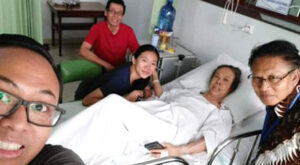
In the bustling heart of Jakarta, Dr. Kinan is more than just a dedicated physician; he’s a living testament to his mother’s unwavering spirit and resilience. Fransisca, a remarkable woman who bravely battled colorectal cancer, left behind not only her legacy but a profound influence on her son’s life and career. Today, we delve into the inspiring story of Fransisca’s cancer fight in the context of Indonesia, particularly in Jakarta, and how her legacy lives on through her son’s commitment to delivering high-quality medical care and patient education.

What were the colorectal cancer symptoms your mother, Fransisca, displayed?

The first symptom that my mom had been telling me about was acute diarrhea for 3 months continuously and her condition did not improve even after using Imodium (anti-diarrheal over the counter medicine). Following the diarrhea, mom complained about narrow stools and feeling never complete when trying to defecate. She also mentioned there was white mucus in her stools and continuous bleeding. After six months, she felt her anal sphincter did not function normally, so she had to use adult diapers at all times. She could not control the urge to defecate and every time she would urinate, it was always accompanied by unconscious bowel movements.

What were the challenges Bu Fransisca faced in the early stage of disease, during treatment and last treatment?

Fransisca-mother-leaving-legacyBefore the doctor diagnosed her with colorectal cancer, my mother was someone who regularly went to community health care centers (Puskesmas) for regular medical care check-ups. She had great trust in her community health center.

When she told the doctor her complaints about her defecation problems, she received medication, Metronidazole (anti-biotics), which she used for six months.

As her child, who is also a doctor, I pleaded for the community health care referral to more equipped hospital because the symptoms that appeared were already indicative of cancer. But the referral was not provided by the community health center with the reasoning that it could still be treated at the community health center.

My mother was only given a referral when her hemoglobin (Hb) level reached 7.0. When her Hb was at 9.8 (as she showed fatigue), she was never referred to a hospital for a blood transfusion.

She was very resilient and appeared spirited and optimistic about her care at the community health care, believing her recovery was at this Puskesmas’ hands. Due to unbearable pain, we took her to an internal medicine clinic, a private hospital, and after a colonoscopy she was diagnosed with colorectal cancer.

There, she began to feel anxious and afraid, but we continued to encourage her. She underwent surgery, radiotherapy, and both basic and advanced chemotherapy. Over time, her enthusiasm waned, and she became more resigned and tired. As the second round of advanced chemotherapy approached, she seemed increasingly resigned and exhausted.

A day before she fell into a coma and passed away, she held onto us, her family members, all night, as if by holding my hand, she was bidding farewell without words. However, her facial expression clearly conveyed a deep sense of longing, love, and farewell (if I had known it was her last embrace, I would never have let go until the end of her life).

My mother went through her colorectal cancer journey full of life and with sincerity because she believed that God gives and God takes away.

What are your ups and down as her support system?

Me and the whole family, as supporters of Fransica, felt encouraged when she wanted to eat, drink and had the motivation to attend medical appointments. Her determination to get better motivated us. We never showed signs of fatigue or boredom while accompanying and kept cheering her on. We fulfilled all her wishes, even when she didn’t ask for them, as part of our palliative care for her. What brought us down was when our mother seemed exhausted, tired and lost hope. There were moments when our family was willing to accept that our mother might have to pass away. Seeing her struggle for a year with her condition deteriorating, our only hope was to “let go.”

What do you think about screening CRC, how Indonesia’s health care system deals with CRC?

In my experience, the colorectal cancer screening at one of the private hospitals in Jakarta was very well-organized, allowing us to understand our mother’s condition and the extent of the cancer metastasis. The entire process was carried out smoothly, ensuring that my mother was mentally and physically prepared. This subsequently became the foundation for her strong desire to recover.

Regarding Universal Health Coverage, or known as BPJS (Badan Penyelenggara Jaminan Sosial), I deeply regret the referral system in BPJS. My mother had a lot of faith in the services of her community health center but her referral kept getting delayed, but we believe it was all in God’s hands, which is why we decided to use our personal funds for treatment at this private hospital (which is not cheap). Even though the symptoms clearly indicated colorectal cancer, the Community Health Center continued to prescribe Metronidazole, which had the side effect of causing my mother to feel nauseous and vomit and ultimately worsened her physical condition. After we received the diagnosis, we were finally referred to a national government hospital (a teaching hospital in Jakarta) and my mother had to undergo chemotherapy under the BPJS program. The national government hospital service was excellent, and my mother received great care right up until the end of her life.

For me, at this point, I would not make it difficult to provide referrals for community health care for patients with indications of colorectal cancer or other conditions. I promise to myself, let my mother’s case be a great lesson that no one should be denied to get their best care.

What are your hopes for telling others about your mom’s journey?

My hope is that everyone become aware of any symptoms or complaints that arise, such as chronic diarrhea with bleeding or mucus, or bowel movements that make narrow stools. The earlier the detection and treatment, the better also. As a support system, we should be able to provide the best care until the end. I learned as part of my personal journey was sometimes concealing one’s sadness (as a caregiver) can support the mental well-being of a loved one who is fighting a serious illness. Also, if one feels that universal health coverage services are inadequate, it’s better to consider insurance or personal payments, so that the condition can be detected and treated early.

ACG, AGA, ASGE, Fight CRC, and More Than 80 Organizations Unite to Advocate for Improved Screening Access and Policy Clarifications from Federal Agencies

In a collaborative effort to enhance access to life-saving colorectal cancer screenings, the American College of Gastroenterology (ACG), the American Gastroenterological Association (AGA), the American Society for Gastrointestinal Endoscopy (ASGE), and Fight Colorectal Cancer (Fight CRC) have partnered with over 80 medical societies and patient advocacy organizations. Together, they have issued a letter to three federal agencies, urging them to take decisive action.

The joint initiative targets the Departments of Health & Human Services, Labor, and Treasury, with a specific request for policy clarifications that ensure surveillance colonoscopies are covered as preventive services under the Affordable Care Act. This proposed change aligns with Medicare coverage policy and is believed to be consistent with guidelines from the U.S. Preventive Services Task Force.

Surveillance colonoscopies play a crucial role in the ongoing health management of patients who have undergone initial screening tests and had precancerous polyps removed. Despite their integral place in the screening continuum, many private insurers categorize these follow-up procedures as diagnostic, resulting in higher-risk patients facing additional cost-sharing.

In the letter, the groups emphasize the importance of establishing policies that support the screening continuum and dismantle barriers to preventive care, particularly those related to cost sharing. The advocacy coalition expresses optimism that the Biden Administration will respond to this urgent call to action.

It is imperative that we remove barriers to preventive care for patients, particularly those that we know are at higher risk of colorectal cancer. Removing out of pockets costs for patients needing surveillance colonoscopy is a critical step to reducing the burden of this disease. We are hopeful the Biden Administration will continue to build on their work to improve access to colorectal cancer screening and heed this call to action.

Molly McDonnell, FightCRC

In addition to the organization-led letter, Rep. Debbie Dingell (D-MI) is leading a congressional letter to the agencies, echoing the request of Fight CRC and others to remove cost-sharing for patients needing surveillance colonoscopy. The coalition is encouraging individuals to reach out to their members of Congress and urge them to sign Rep. Dingell’s letter in support of the proposed policy changes. Join ACG, AGA, ASGE, Fight CRC, and numerous organizations in their mission to improve colorectal cancer screening access and ensure policy clarity.

Fight Colorectal Cancer (Fight CRC), a national advocacy organization, is leading a groundbreaking initiative to combat the alarming rise of colorectal cancer as it is projected to be the leading cause of cancer deaths among individuals ages 20 to 49 by 2030. On December 1, 2023, co-hosted with Vanderbilt-Ingram Cancer Center and co-sponsored by the National Cancer Institute (NCI), Fight CRC will leverage innovation and collaboration by convening leading researchers, medical professionals, and emerging scientists at the Early-age Onset Colorectal Cancer (EAO CRC) Think Tank, with a singular objective: to save young lives from colorectal cancer.

The EAO CRC Think Tank is an extension of Fight CRC’s Path to a Cure initiative, aiming to mobilize colorectal cancer champions nationwide, engage them in the scientific research process, and advocate for colorectal cancer research funding while effectively communicating research findings to the public. Colorectal cancer, particularly among the younger demographic, remains underfunded and is the only top-five cancer type lacking its own Congressionally Directed Medical Research Program within the Department of Defense. In response, Fight CRC has taken proactive measures by establishing the EAO CRC Think Tank and forming strategic partnerships with leading experts in the colorectal cancer medical community. Together, they are advocating, engaging, and forging a path to disrupt the current trajectory of diagnoses and fatalities among young individuals.

Colorectal cancer rates have doubled for people under 55 compared to a decade ago, with individuals under 50 often diagnosed at later stages. To unravel the unique experiences associated with EAO CRC, Fight CRC conducted an online patient-facing survey, garnering insights from nearly 900 respondents. Shockingly, 90% of EAO CRC patients have been wrongly told that “colorectal cancer is an old man’s disease.” A patient shared, “My doctor ordered a colonoscopy because of symptoms, not age. The doctor was still processing his shock of a 35 –year old with no family history diagnosed with colorectal cancer.”

For those born in 1990, the risk of colon cancer is twice as high and rectal cancer four times as high compared to those born in 1950 at the same age. Young adult patients contend with challenges in relationships, body image, and fertility preservation, with 71% experiencing relationship issues, 92% facing body image concerns after treatment, and only 27% feeling adequately informed about fertility preservation.

Fight CRC President Anjee Davis states, ” We are thrilled to be convening the Early-age Onset Colorectal Cancer Think Tank, uniting the foremost experts in colorectal cancer research. Our research community comes to this with a spirit of innovation to tackle the rising threat of early-age onset colorectal cancer. We all want to ensure that young patients can be filled with hope.”

This month Maia and Manju talk about clinical trials for colorectal cancer prevention. These trials are for people who have not been diagnosed with colorectal cancer: the FORTE and ASPIRED-XT.

Highlights of CRC Prevention Trials (all currently enrolling)

  • FORTE study is looking at the best timing for a repeat colonoscopy for people with one or two small benign polyps.
  • ASPIRED-XT focuses on understanding how aspirin impacts various biomarkers associated with colorectal cancer and whether age influences these effects.

Resources

Clinical trials are critical to finding a cure for colorectal cancer. As an advocacy organization dedicated to supporting and empowering a community of patients, caregivers and families, Fight CRC has partnered with COLONTOWN to deliver a monthly blog series highlighting everything patients need to know about clinical trials and the best treatment options available.

More Fight CRC Resources

Introduction

As it has been mentioned before, there are clinical trials for any and all parts of the cancer journey, as well as trials for those with average risk for developing colorectal cancer, or those with a higher risk for developing cancer.

Learning about and educating ourselves about clinical trials can be helpful in our advocacy for better health for everyone, not just patients with colorectal cancer.

FORTE Study

Five- or Ten-Year Colonoscopy for 1-2 Non-Advanced Adenomatous Polyps (FORTE)

NCT05080673

What is the best timing for a repeat colonoscopy for people with one or two small benign polyps removed during colonoscopy? There is not an optimal answer for that –yet.

The randomized FORTE/NRG-CC005 trial (NCT05080673) is looking to answer that question by evaluating different frequency of surveillance colonoscopy in individuals with a first-time presentation and removal of one to two small, benign polyps. FORTE stands for “Five- or Ten-Year Colonoscopy for 1-2 Non-Advanced Adenomatous Polyps,” and it is a study sponsored by the NCI.

This study will measure and compare the colorectal cancer (CRC) incidence rates in the two study groups. If the cancer rates are similar to each other, then a 5-year follow-up surveillance colonoscopy exam may not be needed. Additional outcome measures include incidence of advanced adenoma, CRC mortality, and incidence of stage III to IV CRC, all at 10 years.

The study is expected to enroll 9500 participants ages 50 to 70 years; approximately 4750 individuals will be enrolled in each study group.

This is a clinical trial for those who are not facing CRC.

Those who have a prior history of CRC are excluded from enrollment on FORTE. The trial is open to participants with just a first-time diagnosis of one or two non-advanced tubular adenomas in a colonoscopy, even to those who had that colonoscopy within four years prior to the start of this trial.

Why would one want to participate in this trial? What would be the benefit? As participants, patients will be followed up closely, since they are being asked to provide blood, stool, and other tissues for additional studies to help the researchers better understand how colorectal cancer develops from a polyp. The trial’s findings will guide clinicians in optimizing surveillance strategies, potentially reducing unnecessary procedures and improving patient outcomes, for all the community.

FORTE is being conducted through a collaboration with the NCI Community Oncology Research Program and the National Clinical Trials Network. NRG Oncology, which is funded by grants from the NCI, will head the trial alongside the Alliance for Clinical Trials in Oncology, ECOG-ACRIN Cancer Research Group, and SWOG.

For more details, you can visit the FORTE study webpage where you will find a video and plain language information about this clinical trial. To follow updates on social media: X / Twitter (@fortestudy) and Instagram (@fortestudy).

ASPIRED-XT Trial

ASPIRED-XT: ASPirin Intervention for the REDuction of Colorectal Cancer Risk –EXTension

NCT05056896

The ASPIRED-XT trial is a double-blind, placebo-controlled, randomized clinical trial that takes place at Massachusetts General Hospital (Boston, Mass.). Researchers aim to measure the effects of daily low-dose aspirin on various biomarkers associated with colorectal cancer. The study focuses on understanding how aspirin impacts these biomarkers and whether age influences these effects. It is a direct extension of an earlier study: the ASPIRED trial.

Aspirin, a non-steroidal anti-inflammatory drug (NSAID), has shown promise in reducing the risk of colorectal polyps and cancer, but the exact mechanism by which aspirin prevents colorectal cancer remains uncertain. This trial may help researchers understand the mechanisms of aspirin’s anti-cancer effect, which may lead to the discovery of new specific characteristics (markers) that can be used to select patients for aspirin treatment.

Participants must have undergone a colonoscopy within the past nine months, during which at least one polyp was removed. Since polyps are a risk factor for colorectal cancer, the study aims to determine whether daily low-dose aspirin can serve as an effective preventive measure. Approximately 160 people are expected to participate during this 3-month-long research study; Half of the participants (80) will be randomly assigned to receive a daily low-dose aspirin (81 mg), and the other half (80) will receive a daily placebo (no aspirin) capsule.

Participants may be contacted periodically after the study (no more than one to two times annually) for up to 10 years to follow-up on additional information including any continued aspirin use or follow-up colonoscopy results.

Stay Tuned

Once a month, Maia Walker and Manju George spend time unpacking important research trials, tips, and advice for our community. Be sure to subscribe to sign up with Fight CRC and join COLONTOWN’s online community to continue receiving the most relevant updates in the CRC world!

You can also follow Maia (@sassycell) and Manju (@manjuggm) to stay updated on research and trials and visit ClinicalTrials.gov  for more information on trials.

These trials are for people who have received a Lynch syndrome diagnosis and are open to enrolling in clinical trials to help discover if strategies like taking aspirin or getting a Lynch syndrome vaccine could be effective in preventing cancer.

Highlights of Lynch Syndrome Prevention Trials (all currently enrolling)

  • Naproxen or aspirin: The goal of this study is to determine whether taking naproxen or aspirin may help prevent the development of cancerous cells in the colons of people with this risk factor.
  • Nous-209 vaccine: This trial aims to see whether the Nous-209 vaccine is safe to give to patients with Lynch syndrome, and how the immune system of Lynch syndrome patients responds to the Nous-209 vaccine.
  • Combo vaccines: The main objective of this trial is to find out if the combination of the trivalent adenovirus-5 (Tri-Ad5) vaccines and the immune enhancer N-803 reduce the incidence of colorectal cancer in patients with Lynch syndrome.

Resources

Clinical trials are critical to finding a cure for colorectal cancer. As an advocacy organization dedicated to supporting and empowering a community of patients, caregivers and families, Fight CRC has partnered with COLONTOWN to deliver a monthly blog series highlighting everything patients need to know about clinical trials and the best treatment options available.

More Fight CRC Resources

Introduction

There are several clinical trials underway for patients who’ve been diagnosed with Lynch syndrome (LS). These trials are studying prevention methods.

Naproxen or Aspirin

Clinical Trial of Naproxen or Aspirin for Cancer Immune Interception in Lynch Syndrome

NCT05411718

This phase IIa trial at the MD Anderson Cancer Center (Houston, Texas) tests naproxen or aspirin on the normal colon in patients with Lynch syndrome. Since Lynch syndrome is a genetic condition that increases the risk of various types of cancers, especially colorectal and endometrial cancers, the goal of this study is to determine whether taking naproxen or aspirin may help prevent the development of cancerous cells in the colons of people with this risk factor.

Participants in this trial must have Lynch syndrome. They must not have evidence of active/recurrent malignant disease for six months and be at least six months from any prior cancer-directed treatment. They will be randomly assigned to take two naproxen or two aspirin matching capsules by mouth 1 time every day for approximately 1 year. This study has “triple masking,” which means that all three parties involved in the clinical trial (participant, care provider, and investigator) will not know which treatment the participant is receiving.

Naproxen and aspirin are anti-inflammatory drugs that may have anti-cancer effects by modulating the immune system and reducing inflammation.

Aspirin has been shown to reduce the risk of colorectal cancer in people with Lynch syndrome. Updated analyses of a large study called the CAPP2 trial, with all participants having surpassed 10 years of follow-up, show that people with Lynch syndrome who took aspirin daily had a 35% lower risk of developing colorectal cancer than those who did not take aspirin.

Regarding naproxen, a trial (NCT02052908) has shown recently that this common pain reliever is safe to take daily and activates immune pathways in the colorectal mucosa of people living with Lynch syndrome.

Nous-209 Vaccine

Cancer Preventive Vaccine Nous-209 for Lynch Syndrome Patients

NCT05078866

This 45-participant phase Ib/II trial evaluates the safety and effect of the Nous-209 vaccine in Lynch syndrome patients. Lynch syndrome is an inherited condition, where people affected have a higher chance of developing colorectal cancer and certain other types of cancer at a young age. In Lynch syndrome, because of specific Lynch syndrome mutations, abnormal proteins called “neoantigens” that are different from normal cellular proteins are produced.

Neoantigens are recognized by the body’s immune system as foreign, and the body tries to get rid of them. Tumors arise when the body is not successful in eliminating cells with neoantigens. Nous-209 is a vaccine made with man-made copies of some of those neoantigens to see if “vaccinating” participants with Lynch syndrome can help with development of an immune response and prevent the development of tumors with these neoantigens. This trial aims to see whether the Nous-209 vaccine is safe to give to patients with Lynch syndrome, and how the immune system of Lynch syndrome patients responds to the Nous-209 vaccine. This trial may help researchers determine whether receiving Nous-209 has an effect on the development of polyps or tumors in the colon.

Eligible participants must have a diagnosis of Lynch syndrome and have no evidence of disease for six months prior to screening and must be at least six months from any prior cancer-directed therapy.

Get the complete list of inclusion/exclusion criteria.

The main objectives of this trial are 1) to check the safety and tolerability of the adenoviral tumor-specific neoantigen priming vaccine GAd-209-FSP (1 prime) and MVA tumor-specific neoantigen boosting vaccine MVA-209-FSP (1 boost) when given as a single agent in participants with Lynch syndrome (LS); and 2) to see immune responses to it in the participants.

Participants will receive the prime dose on day 1 and the booster at week 8.

The main trial outcomes are the 1) rates of adverse-events and symptom reactivity, and 2) the rate of immunogenicity after vaccination.

Tri-Ad5 Vaccine in Combination with N-803

Testing a Combination of Vaccines for Cancer Prevention in Lynch Syndrome

NCT05419011

A Phase IIb Clinical Trial of the Multitargeted Recombinant Adenovirus 5 (CEA/MUC1/Brachyury) Vaccine (TRI-AD5) and IL-15 Superagonist N-803 in Lynch Syndrome

This 186-participant phase IIb trial tests whether the trivalent Tri-Ad5 vaccine in combination with N-803, an immune enhancer, works to prevent colon and other cancers in people with Lynch syndrome. There are three injections in Tri-Ad5 vaccine, which contains a different component that is in precancer and cancer cells. The idea is that vaccinating with these may cause the immune system to develop an immune response to these, so it can recognize and destroy any precancer and cancer cells that produce these components in the future. The hope is that giving Tri-Ad5 in combination with immune enhancing N-803 may lower the chance of developing colon and other cancers in participants with Lynch syndrome.

The main objective of this trial is to find out if the combination of the trivalent adenovirus-5 (Tri-Ad5) vaccines and the immune enhancer N-803 reduce the incidence of colorectal cancer in patients with Lynch syndrome. This trial will also look at the safety and tolerability of this combination; the effect of other factors like smoking, use of pain reliever drugs and alcohol on the immune response; and the effect of this vaccine on the development of extra-colonic tumors.

To be eligible, participants must have Lynch syndrome and part of the colon and/or rectum intact.

Get a complete list of inclusion and exclusion criteria.

The trial has safety phase I and II parts. In the safety phase I and II, participants will get the trivalent vaccine as a subcutaneous injection at weeks 0, 4, 8, and 52. Participants also undergo standard of care (SOC) colonoscopy with biopsy at baseline, at 52 weeks, and 104 weeks.

In the randomized control phase, participants are randomized to the experimental or placebo arms. In arm I, they will receive Tri-Ad5 SC and N-803 SC, while in arm II, participants will get the placebo subcutaneously in the same schedule as in the safety phase. They will have similar monitoring with colonoscopies. All participants will have blood sample collection throughout the study.

The main outcome for this trial is the cumulative incidence rate of the composite endpoint of adenomas (tubular, tubulovillous, and serrated), advanced adenomas and colon cancer at 104 weeks.

Stay Tuned

Once a month, Maia Walker and Manju George spend time unpacking important research trials, tips, and advice for our community. Be sure to subscribe to sign up with Fight CRC and join COLONTOWN’s online community to continue receiving the most relevant updates in the CRC world!

You can also follow Maia (@sassycell) and Manju (@manjuggm) to stay updated on research and trials and visit ClinicalTrials.gov  for more information on trials.

Donate Now