
A clinical trial is one way to advance colorectal cancer treatment options. But patients –and their doctors also – may think that clinical trials are a last-ditch effort in treatment, and that you need to be stage IV to be eligible. Maia Walker, the lead curator of the Fight CRC Clinical Trial Finder, addresses the top myths about clinical trials.

Clinical trials are available for all patients of all stages.

For instance, there are trials for newly diagnosed patients, exploring non-surgical approaches or combining immunotherapy with surgery to prevent recurrence. There may be research studies focused on patients receiving adjuvant chemotherapy, aiming to mitigate specific side effects associated with the treatment.

Then, when thinking about trials for patients with stage IV colorectal cancer, it’s essential to recognize that they span each line of treatment within the metastatic setting. We saw trials for metastatic disease where an immunotherapy was added to chemotherapy, as part of the first-line therapy. Also, there have been trials for third-line therapy for stage IV cancer that tested the standard-of-care drug at a lower dose than usual, resulting in similar clinical outcomes with fewer side effects.

Some trials specifically target patients who haven’t yet received certain standard-of-care agents (such as cetuximab or regorafenib), providing those with additional treatments/drugs. In summary, clinical trials should not be viewed solely as a last resort for stage IV patients.

Learning requires time.

Understanding the clinical trials landscape is a gradual process. As advocates, we aim to equip patients with relevant information early on, ensuring they don’t miss potential opportunities. Whether patients choose to participate in a clinical trial early, later, or not at all depends on their unique circumstances. Regardless, it’s crucial to make an informed decision.

Including trials in your treatment strategizing opens more options for you early on.

Metastatic or stage IV colorectal cancer, which has spread to other organs, has very few effective treatments. The first and second line of chemotherapy (FOLFOX and FOLFIRI + a biologic) work well initially to shrink tumors and contain their growth.

Unfortunately, most stage IV folks can progress on these regimens and the drugs available as third-line options are not as effective for many patients. Often, patients only realize this after they have progressed on earlier lines of therapy.

Learning about the trial landscape when you have progressive cancer, and your body is beat up from treatments you have received so far, may be much harder when compared to learning about trials when you are doing well on chemotherapy or have stable disease. So, spending the time early on to learn about clinical trials can be very helpful to patients and caregivers to plan out their long-term strategy to deal with colorectal cancer.

Also, you may want to expose yourself to second opinions as you start looking for trials.

As patients search for and learn about trials, it is likely that their understanding of the options available for metastatic colorectal cancer, including local treatments, may expand. They may become aware of options they did not know previously, which may be available at other hospitals, for example. So, even if you don’t end up getting on a trial, your disease trajectory may become much different after learning about and pursuing additional options, like local treatment of specific metastases.

How can I meet other patients and caregivers who are like-minded and looking for trials?

Searching and learning about trials can help you meet other patients and caregivers who are like-minded and help you find and become part of patient communities like Colontown and Fight CRC’s Community of Champions.

Your learning experience becomes easier and faster if you can learn from other people’s experiences as well. Like everything else, learning about trials in a community with others like in the Colontown Clinical Trial neighborhoods or learning to use the Fight CRC’s Clinical Trial Finder are ways to make clinical trial search less daunting for patients.

The Colontown University Clinical Trial Basics Learning Center is a great place to learn about clinical trials, as well as the Searching Safari course, which helps patient and caregiver members of Colontown to familiarize themselves with things patients need to consider way before they start their trial search. This course is like dipping your toes in the ocean of trials and can be just the right “training” needed before people dive into using clinical trial finders like the Fight CRC Trial Finder.

When patients begin their stage IV treatment, many are not aware of what lies ahead. This is related to what I wrote earlier. Thinking about trials and how to incorporate experimental therapies as part of their treatment usually comes from an understanding of the treatment landscape and the realization that metastatic colorectal cancer does not have a lot of effective drugs against it.

Patients who learn about trials early on may have a more realistic understanding of the limitations of current standard-of-care drugs. Being aware of the treatment landscape can help patients and caregivers to be proactive and learn to strategize treatment planning. Learning about clinical trials early can make patients more prepared for what lies ahead.

Contemplating clinical trials can provide greater clarity regarding your own decisions and help you navigate the uncertainties inherent in a cancer journey.

Identifying what you don’t want can guide you toward what truly matters. It lets you define both short- and long-term treatment goals and life goals. This clarity significantly aids in the complex decision-making involved in treatment planning.

Recognizing the types of treatments you wish to avoid requires understanding all available options, making early consideration essential for navigating the uncertainties of a cancer journey.

Despite receiving a stage IV colorectal cancer diagnosis, life continues. By directing your efforts toward understanding clinical trials as a proactive choice rather than a reactive necessity, you can regain a sense of empowerment and some control amidst the chaos that accompanies such a diagnosis.
Early onset colorectal cancer (EOCRC) is rising, and a new study sheds light on the potential reasons for delayed diagnoses. The study, “Red flag signs and symptoms and delays in diagnosis for early-onset colorectal cancer: A systematic review and meta-analysis,” was conducted by national nonprofit Fight Colorectal Cancer’s (Fight CRC) EOCRC working group and lead authors and researchers Joshua Demb, PhD, MPH, and Jennifer M. Kolb, MD, MS, and is published in the Open JAMA Network Publication.

The research aimed to report the frequency of presenting signs and symptoms among individuals with EOCRC, the association of symptoms with EOCRC risk, and the time to diagnosis. The study reviewed 81 articles from PubMed/Medline, Embase, CINAHL, and Web of Science, data was from articles as early as 1985 to May 2023. In this review of the literature around EOCRC sign or symptom presentation, nearly half of individuals with EOCRC presented with rectal bleeding or abdominal pain, and one-quarter indicated having altered bowel habits. The average time from initial presentation of a sign or symptom to diagnosis was between 4 to 6 months.

Key findings of the study include:

  • The most common presenting symptoms among individuals with EOCRC were blood in the stool (hematochezia (45%)), abdominal pain (40%), and change in bowel habits (altered bowel habits) (27%).
  • Blood in the stool and abdominal pain were associated with a significantly higher risk of EOCRC.
  • The time from symptom onset to EOCRC diagnosis ranged from 1.8 months to 13.7 months, with an average of 6.4 months.
“Our goal with this review was to further clarify the ‘red flags’ that primary care providers and adults under 50 should be aware of that might merit further clinical investigation,” explained Joshua Demb, PhD, MPH. “Knowing the symptoms is half the battle—we also need to make sure these symptoms are either resolved or attributed to the correct condition (such as EOCRC) as quickly as possible.”

“In this study, nearly half of individuals with early onset colorectal cancer presented with rectal bleeding and abdominal pain and had a delay in diagnosis of up to 6 months,” Jennifer M. Kolb, MD, MS. “These results highlight the importance of having a high index of suspicion for CRC in young patients with common gastrointestinal symptoms. These patients should have a complete diagnostic workup including an expedited colonoscopy.”

“Continuing to build the momentum for early onset colorectal cancer (EOCRC) research with our partners is critical,” said Andrea (Andi) Dwyer, BS, from the University of Colorado Cancer Center, advisor to Fight CRC. “We have already seen our convenings and outcomes from the meetings make a difference in funding, patient care, and generally raising awareness. Given the latest data from the American Cancer Society, it’s clear we need to take the information from this paper and put it into action.”

These findings underscore the urgent need for increased awareness and timely diagnostic work-up for colorectal cancer symptoms in adults under 50 years old. The study highlights the importance of recognizing red flag symptoms to expedite diagnosis and improve outcomes for individuals with EOCRC.

“I am excited about our upcoming convenings and our international work in the planning as well: This makes a difference for a young person every day and in the future,” said Dwyer.

This research was a collaboration of the lead authors; Joshua Demb, PhD, MPH; Jennifer M. Kolb, MD, MS; Jonathan Dounel, MD; Cassandra D.L. Fritz, MD, MPHS; Shailesh M. Advani, MD, PhD; Yin Cao, ScD, MPH; Penny Coppernoll-Blach, MLS; Andrea J. Dwyer, BS; Jose Perea, MD, PhD; Karen M. Heskett, MSI; Andreana N. Holowatyj, PhD, MS; Christopher H. Lieu, MD; Siddharth Singh, MD, MS; Manon C.W. Spaander, MD, PhD; Fanny E.R.Vuik, MD, PhD; and Samir Gupta, MD.

Fight Colorectal Cancer (Fight CRC), a leading advocacy organization dedicated to supporting colorectal cancer patients and caregivers, is proud to announce the launch of ChatCRC, the first-ever AI-powered chatbot designed to deliver accurate, accessible, and user-specific information related to colorectal cancer prevention, diagnosis, treatment, and care management.

ChatCRC aims to revolutionize colorectal cancer support by providing personalized information, support, and guidance to individuals with specific concerns or conditions. The chatbot offers instant access to information about colorectal cancer risk factors, screening options, treatment options, side effects, wellness strategies, and more.

“We are thrilled to introduce ChatCRC as a new resource in the fight against colorectal cancer. This innovative tool will empower patients, caregivers, and healthcare providers with accurate, easy-to-understand information and support, ultimately improving outcomes for those affected by this disease.”
-Anjee Davis, President of Fight CRC

Key features of ChatCRC include:

  • Personalized Support: ChatCRC provides highly personalized conversational experience capable of understanding and adapting to the user’s informational needs and preferences. inquiries.
  • Accessibility: Removes complex medical jargon from responses and offers SMS texting for users without internet access. Questions can be texted to 318-ChatCRC (318) 242-8272.
  • 24/7 Availability: ChatCRC is available 24/7, providing instant access to information and support whenever it is needed.
  • Connection to Resources: ChatCRC connects users to a wealth of resources, including clinical trials, support groups, and educational materials.
  • Interactivity: Allows users to ask questions and receive immediate feedback.

ChatCRC will NOT deliver medical advice nor is it to be used as a substitute for seeking care from a healthcare provider.

Recent user feedback confirms the effectiveness of ChatCRC, with 100% of respondents finding it “Very easy” or “Easy” to use. Nearly 100% of respondents expressed their intention to use ChatCRC again, and 100% would recommend it to a friend.

“We believe ChatCRC will be a game-changer in the way colorectal cancer patients receive information and support. Generic information doesn’t always answer patients’ specific questions and concerns. This chatbot will not only provide accurate, reliable information in an accessible format, but it will empower patients to take control of their health and make informed decisions about their care.”
-Danielle Ripley-Burgess, VP of Disease Awareness and CRC survivor

ChatCRC worked very well, providing accurate and thorough answers to my questions. I would use it again and recommend it to friends.”
-Rich Goldberg, MD

To start using ChatCRC, visit https://chatbot.fightcolorectalcancer.org/.

ChatCRC is supported by: Amgen and Daiichi Sankyo

Karen Desjardins, age 69, is a survivor of four different cancers. She was diagnosed with breast cancer at age 36, colon cancer at age 44, ovarian cancer at age 47, ovarian cancer recurrence at age 49, breast cancer (primary, not a recurrence of the first one) at age 53, and metastatic breast cancer at age 65.
After she was diagnosed with her third cancer, Karen had genetic testing and found that she carries the BRCA-1 mutation, which greatly increases the risk of cancer.

Married at age 34, Karen and her husband wanted children immediately, but she had a miscarriage, and not long after that, a breast cancer diagnosis.

For more than 10 years, because her doctor advised her not to get pregnant to avoid a recurrence, Karen and her husband had to use contraception, despite desperately wanting children. Because of the effects of estrogen on breast cancer, she was unable to use birth control pills.

After battling breast cancer, Karen and her husband made the difficult decision not to have children naturally and decided to adopt, first from Brazil (which resulted in a failed adoption), and then China, twice (both adoptions were cancelled because of new diagnoses).

Karen was sad, angry, and frustrated, but she and her husband ultimately found peace, comfort, and family in each other and children who have come into their lives.

Karen shares her story to encourage other young survivors that there are ways to navigate family-building challenges, still find joy in unexpected places, and embrace the blessings life has to offer.

Q: Did you or your medical team introduce the idea of fertility preservation?

A: When I was diagnosed with my first cancer over 30 years ago, fertility preservation was not clinically available to cancer patients.

In theory, I could have tried to have a baby after having breast cancer, but I had known a few women who gave birth after having breast cancer and died leaving behind infants or young children.

I got married at 34. I was diagnosed at age 36, so even in my support groups, younger women already had children.

At the time, my doctor was not supportive of my husband and I trying to have a baby after my breast cancer treatment. I understand that he erred on the side of caution.

We are at a better point in time now. We know more about breast cancer, and women are taking charge of their bodies. Depending on their diagnosis, women can have babies after breast cancer. Fertility issues are now discussed.

Having children is a basic human desire. I’ve been in support groups where women are undergoing chemo and having a hard time, and they’ve said, “I’m just getting through this for my kids.” That always made me think, “Wow, I’m missing out on the best thing there is.”

Q: At what point or how long after treatment, did you begin to think and talk about adoption?

A: Not long after treatment, my husband and I decided adoption would be the route to building our family.

We found a small agency that worked to place children from Brazil. The children we tried to adopt were ages 3 and 6. Because of our experience in Brazil where the children had severe attachment disorder, we decided to adopt from China, where the children to be adopted were 1 or 2 years old.

Q: Did you need to divulge that you were a cancer survivor as part of the adoption processes for Brazil and China?

A: Yes. But the agencies were happy that we wanted to adopt children, so the information was not a barrier to applying and being accepted to adopt.

This may not be the case with international adoptions today, as now some countries will not allow patients with certain long-term diseases (like cancer) to adopt their children, or they may require a patient to be in remission for a certain number of years, among other requirements. Adoption social workers are up to date on international adoption policies and are a good resource for navigating this.

Q: What did your adoption journeys from China look like?

A: From age 36 to 44, I was doing great and feeling great. The Chinese government knew I was a breast cancer survivor, and they were OK with that.

My husband and I were ready to go fly with a group to China to get our baby.

But then I was diagnosed with colon cancer, and the agency said we couldn’t adopt because I was headed into treatment and surgery.

I missed a chemo treatment because I was so upset and crying hysterically after we found out the adoption was canceled.

We were already grieving the loss of not having birthed children. Then, we were grieving the loss of the Brazilian children. Now, we were told we couldn’t go through with the adoption from China.

My cancer was stage II. I recovered, and I was doing OK. We were told by the adoption agency to wait two years, so we did.

Two years later, we were ready. There was a group going to Guangzhou. We attended meetings on culture and learned about food. We were happy and looking forward to finally being parents. The agency was very supportive.

We were meeting other prospective parents and waiting for the photo of the baby to come in the mail. We had a name for her and clothes for her.

But weeks before traveling to China, I was diagnosed with ovarian cancer.

I knew in my heart when I was lying in the hospital following my total hysterectomy (all internal female parts removed) that we would not be able to adopt. I wouldn’t allow anyone to visit me. I was devastated.

My husband is a positive person. He told me we could try again.

But when we contacted the agency, they asked us to come to Boston. We met with the head of the agency. She was extremely sympathetic but told us I had too high a risk of more cancer, and that they could not allow me to be the mother to a child who had already lost a birth mother.

Q: How were able to let go of sadness and anger to reach a point of peace and acceptance in your life?

A: I was incredibly angry when I had my miscarriage and then five months later was diagnosed with cancer. I was angry when I was told I couldn’t have children.

I punched holes in the wall. I broke a set of dishes. I was full of rage.

At times, I was extremely sad.

It was hard to be with friends who had children. I was envious, yet these were my friends. We planned to have children, and I couldn’t imagine a life without children.

About 10 years ago when I was in my late 50s, I had some girlfriends over for dinner, and I said, “OK everybody, I’m going around the room, and I want you to answer honestly. If a baby came out of the sky and dropped into your lap, would you keep that baby? You would raise it. You would be the full-time mom.”

Somebody said, “Yes.” Someone else said, “No way. I already did it. I’ve changed too many diapers.”

I found myself saying, “No.” That was a real clue that I had crossed a threshold.

When I accepted that I would not have children, the anger just went away. I’m no longer angry. I do get sad sometimes because I am of the age when I might have become a grandmother.

When I was 36, it was different. I didn’t know anybody else in my situation who had a miscarriage, failed adoptions, and multiple cancers. I felt very alone.

I’ve met so many cancer survivors. I’ve been in so many support groups. I’ve lost so many friends. I’ve been in so many campaigns for cancer awareness. It all has made me realize that I’m not alone. Everybody has hard stuff in their life.

I see that everybody has problems. Whether they’ve lost a spouse, child, or parent: Life isn’t easy.

This helps with letting go of the anger and reaching acceptance.

Now, I am happy that I’m alive and able to enjoy others’ babies and children. When I get the chance to be with kids, I just love spending time with them.

Q: What did you do with the maternal instinct that you carried?

A: My brother has two daughters, and they spent time with us in the summer when they were younger. They’re in their late 20s now. They still plan outings with us, which we look forward to. I’m involved in their lives. Their mom is so gracious about letting us be involved.

Spending time with them fills my heart with joy.

I also was a Girl Scout leader in my town for many years. As the Brownie leader, I made crafts with the girls and helped them learn life skills. We went camping. Working with them filled my heart. Being a Girl Scout leader was the best thing that could have happened to me.

Then I was diagnosed with breast cancer for a second time and had to go through treatment. Chemo was difficult, and being a Girl Scout leader was too much for me to handle. I had to stop. We didn’t focus on my cancer as the reason I left because we didn’t want to upset the girls.

I joined Saratoga Mentoring, a Big Brother/Big Sister-type organization, and asked to be matched with Caitlin, a 13-year-old girl from my Girl Scout troop. During her middle school years, I was very involved in Caitlin’s life.

Caitlin and I would cook at my house. We’d go to the movies. She would come over and help decorate my Christmas tree. Christmas was a hard time for me since I always imagined having a family. Caitlin is 27 now, and we still go to the beach every summer. We text and keep in touch on social media.

Q: What advice would you give to other colorectal cancer survivors who may not have had the option to preserve fertility or adopt?

A: There are so many children in the world who need love and attention. I get so filled with joy when I talk about my nieces, my years as a Girl Scout leader, or being a mentor to Caitlin.

Volunteer in your community. Look within your community for organizations where you can help children that may not have parents involved. Consider foster care or becoming a CASA volunteer.

Alternatively, spend time with other couples who don’t have children. We have quite a few friends who don’t have children.

We’ve realized that life goes on. We’ve discovered that life offers countless opportunities and fulfilling experiences even without parenthood.

Josh had been experiencing minor symptoms and sought out care on numerous occasions over a few years, but his family physician told him that he was “too young, too healthy” to have anything serious going on.

Upon returning from their honeymoon, Josh’s wife (then a medical resident) recommended that he see a GI and insist on a colonoscopy. Josh met with a GI who agreed to schedule a colonoscopy. They thought it would reveal Crohn’s disease or ulcerative colitis. Cancer never crossed their minds.

Married for just 39 days, Josh remembers waking up from his colonoscopy to his GI with tears streaming down his face and his wife crying, as he learned he had cancer.

Since his wife was on an oncology rotation, they worked quickly to schedule Josh for scans. They ran into a radiation oncologist colleague of his wife’s who immediately reviewed the scans and confirmed Josh had cancer.

Josh received a stage IIb rectal cancer diagnosis at age 31 in June 2013. Less than a year later, he received another devastating blow as he was told that the cancer metastasized to his liver.

From 2014 through 2020, Josh traveled from North Carolina to Memorial Sloan Kettering in New York where he underwent chemotherapy, radiation, surgeries, an HAI pump, and immunotherapy, for five recurrences. In April 2020, Josh received lifesaving living donor liver transplant at UPMC, after which he became cancer free.

Josh shares his story to encourage other young survivors to hold hope for the future – a future of family and life after colorectal cancer.

Q: Did you or your medical team introduce the idea of fertility preservation?

A: My medical team immediately brought up the subject of fertility preservation.

Because stage IIb colorectal cancer has a 92% chance for a cure and because of my age, my medical team wanted to aggressively attack the cancer, but at the same time, they sought to ensure that I had the option of building a family in the future.

I had a two-week window of opportunity to plan and preserve my fertility.

My medical team told me it would be best if I went to a sperm cryobank facility (which collects, stores, and freezes the sperm) before I began radiation and chemotherapy.

Q: What guidance did you receive about fertility preservation?

A: Either my wife or treatment team recommended the fertility preservation facility, which was located two-and-a-half hours away. We traveled there three times before I began treatment.

My wife and I knew we wanted children, and we initially planned to have biological children, so fertility preservation was important to us.

Q: Did you use IVF to build your family?

A: In 2014, we tried IVF twice, and unfortunately, we did not have success. Come to find out though, it wasn’t failing because of my cancer history. My wife and I wouldn’t have had success with IVF either way.

At the time and in the moment, we were both really disappointed because we wanted to build our family naturally.

But it just wasn’t meant to be. The more that we learned about colorectal cancer, genetics, and that our kids would be screened early because of potential risks, we saw it as a blessing in disguise. As we learned more, the fear of passing colorectal cancer on to a child and them potentially facing the risk and challenges that we had became increasingly real.

Going through the scans and the screenings was brutal for my wife and me. We couldn’t imagine watching a child go through that.

The genetics component is what led us to the adoption route. Ultimately, our goal was to become parents. My wife says, “We had to reassess our goals. Is our goal to be pregnant? Or is our goal to parent?” We decided our goal was to parent, which helped bring acceptance to other paths.

We received so much support from friends and family who were excited for us to become parents, and we are extremely fortunate for our amazing adoption experiences.

Q: What did your adoption journey look like?

A: We have finalized two domestic adoptions. Both were newborns. However, because the situations were unique, the stories are different.

It took us six months to learn about adoption processes before we were emotionally ready to commit to pursuing adoption. Our oldest daughter was born in 2016. Our youngest daughter was born in 2021.

With both adoptions, we used an adoption consultant. This is not an agency but a team that provides adoption-based education, helps navigate the home study process, and typically creates your family profile book. Many consultants also share adoption opportunities with their clients as well.

With our oldest, we were an active waiting family for two weeks before receiving the email that held the details for what would become our perfect match.

In the first two weeks, we had received a few opportunities, had applied to be presented to a mom pregnant with twins but withdrew our profile before being shown.

The next day, we received an email about a birth mom due in two months, basic prenatal history, and a beautiful picture of the birth mom.

My wife immediately knew this was our match. We stayed up all night finalizing our profile book and mailed it off the next morning. It was just one of those gut feelings.

We matched two weeks later and had an introduction call with birth mom, which lasted three hours. The connection was instant.

She asked us to be present at delivery, asked us to name her, and wanted all the pictures we had preparing for baby! She encouraged us to have a baby shower and invited us to meet in person and attend an ultrasound appointment. We both were present for delivery!

She wanted to bless a family – who couldn’t have a child – with a child. And that’s what she did. She wanted her child to have a better life than she was capable of giving her at the time.

With our youngest, we again used an adoption consultant. Our wait was a little longer. We were a waiting family for five months this time – still not long.

Using a consultant usually decreases wait times. We applied for maybe five to 10 opportunities, but each “no” just meant our perfect “yes” was coming.

We received a late-night email, which outlined a “healthy baby girl born two days prior” on a Sunday.

It was a simple “yes!”

We emailed over our request to present to the birth family and again, we just knew! Two days later, we received the call that we were chosen, and she was waiting states away for us to arrive so she could be discharged from the hospital. We immediately packed up and drove more than 12 hours to meet our baby.

We have open adoptions with both birth families. This was our personal preference after learning about all adoption types.

Q: Were there concerns or challenges related to colorectal cancer that affected the adoption process for you?

A: I had always wanted a family, and with the initial diagnosis, the fear that it may not happen was crushing. But my biggest fear was not being here to watch my children grow, especially to an age where they would remember me.

Q: All adoptions require a home study, which also comes with a physical. How did you approach this?

A: A home study requires a physical exam and usually asks if a person had specific diagnoses. If yes, then a physician statement is required. Ultimately, the systems that oversee and govern adoptions are trying to assure the child has the opportunity to be raised by healthy parents in a safe home, which is where the home study comes in.

It’s a somewhat frustrating process when it comes to the medical history because a “normal” life expectancy isn’t really guaranteed for anyone. But, that’s what the documentation needs to say in order to have an approved home study.

Having the support of our treatment team helped in creating a letter for our home study that minimized concerns for my overall health. We crafted this alongside them, disclosing the required details but also emphasizing my physical ability to parent and positive prognosis.

The home study document is not shared with birth mothers. Once home study approved, a document is created that shows you are approved to parent, and the courts require this to legally finalize an adoption.

Agencies have access to home study documents, but for domestic adoptions, if home study approved, they cannot deny you the option to work with them based on your medical history.

I’d caution anyone who receives negative feedback regarding your health history to find an agency or consultant who is supportive. We were not asked once home study approved.

You do not need to disclose your health history to a birth family. That will be a personal decision you need to make during a match/preplacement, post-placement, or at all.

Q: Did you ever feel frustrated or hopeless during your adoption journey?

A: Both adoption processes moved very quickly, so we didn’t feel frustrated or hopeless.

However, at the hospital following the birth for our oldest daughter was the most stressful time because we didn’t feel welcome at the hospital. The birth mom was great. But the hospital environment was not positive. We’ve talked with other people who have had that same experience and feeling at the hospital as we did.

The birth mother was extremely helpful and responsive, and she really made the adoption go smoothly.

With our younger daughter, we were matched very quickly.

We didn’t have the same interactions with the birth mother as we did for our first daughter, because we were matched after she was born. The hospital experience was smoother and less stressful. Ironically, we were in the same hospital and the same postpartum room as we were with our older daughter.

Emotionally, the adoption process can be nerve-wracking, just like a pregnancy. You worry about the baby. You worry about birth mama and her emotional and physical well-being. You worry about an adoption disruption. And you have all the same worries any new parent has! But once you’ve met your baby, it’s immediate love and peace.

Q: Were you concerned that an absent biological connection might affect bonding issues?

A: Any concerns I had about not being able to connect because my girls are not genetically mine were fleeting. My daughters are my daughters.

Our older daughter looks just like me, and her personality is a blend of both my wife’s and my personalities.

Our younger daughter is a different race, and her facial expressions are all mine. Her personality is 100% my wife’s personality.

The love and bond my wife and I have with our daughters is unbreakable.

My two greatest roles in life are that of husband and father.

Q: In hindsight, is there anything you wish you had done differently?

A: In retrospect, I wish my daughters could have been closer in age. My older daughter wanted a sister, but I also wish we had a little more time for her to warm up to the idea.

As we drove to meet our younger daughter, we had to pick up diapers, a car seat, and clothes. We had nothing for her because we were matched so quickly.

With our older daughter we had time to prepare and paint her nursery. For our younger daughter, we had no time. It was a completely different scenario.

There was literally no time to shift that spotlight from our older daughter to her younger sister who required so much time and attention because that’s what babies require.

Q: What are your hopes and dreams?

A: I just want to see my girls grow up.

I hope from a society and patient standpoint that treatments continue to evolve, with more ways to help young people beat this disease.

I would highly recommend any patient considering growing a family through adoption do it because you don’t know what treatments will come along.

Because of a transplant four years ago, I’ll be four years with no evidence of disease, and I am looking forward to watching both my girls grow up.

I feel extremely thankful, fortunate, and blessed.

Q: Are there resources available for family-building post-cancer?

A: My wife and I weren’t aware of any resources to help with family-building, but there are a few programs and resources available to help. Some programs (such as the Expect Miracles Foundation SAMFund Family Building Grant) accept applications only within a brief window.

Trials evaluating the effectiveness of colorectal cancer screening tests most commonly report two key measures: the specificity and sensitivity of the test. Specificity describes how well the test can correctly identify healthy individuals. Tests with high specificity have a low false positive rate as they can more accurately rule out people who are healthy, ensuring few to no individuals are wrongly told they might have colorectal cancer when they don’t. Sensitivity describes how well the tests can identify individuals with colorectal cancer or advanced precancerous polyps.

Highlights of CRC screening trials:

  • The results of the ECLIPSE trial by Guardant Health were published in the New England Journal of Medicine (NEJM).
  • The results from the “BLUE-C” trial by Exact Sciences were published in the same issue of NEJM.
  • Currently enrolling: NCI Alliance for Clinical Trials in Oncology is recruiting 2,000 participants across 659-sites for a case-control prospective observational study. This trial will collect blood and tissue samples from participants with a cancer diagnosis and participants without a cancer diagnosis (both with and without suspicion of cancer) to evaluate tests for early cancer detection.
  • Currently enrolling: Signal-C trial is for individuals ages 45 to 84 years with an average risk of developing colorectal cancer and are scheduled to undergo a standard-of-care screening colonoscopy and willing to consent to a blood sample.

More Fight CRC Resources

The ECLIPSE trial

Evaluation of the ctDNA LUNAR Test in an Average Patient Screening Episode (ECLIPSE) (ctDNA LUNAR-2 test, Guardant Health)

NCT04136002

Manju: This past March, the results of the ECLIPSE trial were published in the New England Journal of Medicine (NEJM). This trial looked at the performance of a cell-free DNA (cfDNA) blood-based test in detecting colorectal cancer or advanced precancerous polyps in an average-risk population eligible for screening. It is a prospective, observational multi-site study without randomization.

Outcomes reported for this trial were the sensitivity and specificity of the test for colorectal cancer and for advanced precancerous polyps compared to screening colonoscopy.

The clinical validation cohort included 10,258 participants ages 45 and older, of which 7,861 met the eligibility criteria, had completed and valid colonoscopy results, had valid cfDNA blood-based test results, and were evaluable for final analysis.

A total of 83.1% (54 of 65) of the participants with colorectal cancer detected by colonoscopy had a positive cfDNA test and 16.9% (11 of 65) had a negative test, showing test sensitivity (ability to correctly detect those with cancer) of 83.1% for detection of colorectal cancer. Sensitivity for stage I, II, or III colorectal cancer was 87.5%, and sensitivity for advanced precancerous lesions was 13.2%.

A total of 89.6% of the participants without any advanced colorectal neoplasia (colorectal cancer or advanced precancerous lesions) identified on colonoscopy had a negative cfDNA blood-based test, whereas 10.4% had a positive cfDNA blood-based test, which indicates a specificity (ability to correctly identify a person without cancer) for any advanced neoplasia of 89.6%. Specificity for negative colonoscopy (no colorectal cancer, advanced precancerous lesions, or nonadvanced precancerous lesions) was 89.9%. The false positive rate for this test was 10.1, which means 10.1% of patients without cancer on colonoscopy had a positive blood test.

Based on their findings, in an average-risk screening population, this blood-based test had 83% sensitivity for colorectal cancer, 90% specificity for advanced neoplasia, and 13% sensitivity for advanced precancerous lesions.

BLUE-C Trial

Clinical Validation of An Optimized Multi-Target Stool DNA (Mt-sDNA 2.0) Test, for Colorectal Cancer Screening “BLUE-C” (mt-sDNA 2.0, Exact Sciences)

NCT04144738

Maia: Results from the “BLUE-C” trial were published in the same issue of NEJM. The primary objective of this 20,000+ participant prospective trial was to assess the sensitivity and specificity of a “next generation” multi-target stool DNA test (mt-sDNA 2.0) compared to fecal immunochemical test (FIT) for detecting colorectal cancer in average risk adults ages 40 years and older.

Participants in this trial completed the mt-sDNA 2.0 test and the FIT followed by a screening colonoscopy. The mt-sDNA 2.0 screening test and FIT test results were not shared with the treating clinicians.

Of 20,176 participants, 54% (n=10,961) had a negative colonoscopy with non-cancerous findings, while 98 had colorectal cancer; 2,144 had advanced precancerous lesions; and 6,973 had nonadvanced adenomas.

The mt-sDNA 2.0 test showed 93.9% sensitivity for colorectal cancer. The test specificity for advanced neoplasia was 90.6%. Sensitivity for advanced precancerous lesions was 43.4% and specificity for non-neoplastic findings or negative colonoscopy was 92.7%.

With the FIT, sensitivity was 67.3% for colorectal cancer and 23.3% for advanced precancerous lesions; specificity was 94.8% for advanced neoplasia and 95.7% for non-neoplastic findings or negative colonoscopy.

Based on these results, the authors concluded that compared to FIT, mt-sDNA 2.0 test had better sensitivity for CRC (93.9% versus 67.3%) and for advanced precancerous lesions (43.4% versus 23.3%) but had lower specificity for advanced neoplasia (90.6% versus 94.8%).

This NCI Alliance for Clinical Trials in Oncology

Actively Recruiting

Collecting Blood Samples from Patients with and without Cancer to Evaluate Tests for Early Cancer Detection

NCT05334069

Manju: This NCI Alliance for Clinical Trials in Oncology is recruiting 2,000 participants across 659-sites for a case-control prospective observational study. This trial will collect blood and tissue samples from participants with a cancer diagnosis and participants without a cancer diagnosis (both with and without suspicion of cancer) to evaluate tests for early cancer detection. Collecting and storing samples of blood and tissue from patients with and without cancer to study in the laboratory may help researchers develop tests for the early detection of cancers.

The primary outcome is to have blinded reference set of cancer versus non-cancer blood samples and the secondary outcomes include test performance at the time of initial cancer diagnosis by tumor type and test performance at the time of initial cancer diagnosis by clinical stage.

Participants will complete a questionnaire at the baseline. They will undergo collection of blood samples at registration and at 12 months after registration. Patients with a cancer diagnosis may undergo collection of tissue samples at registration and 12 months after registration.

After completion of study, participants are followed up at one year.

cfDNA Signal-C®

Actively Recruiting

A Prospective, Multi-center, Observational Study for Signal-C Test Evaluation (cfDNA Signal-C®, Universal DX)

NCT06059963

Maia: This trial is for individuals ages 45 to 84 years with an average risk of developing colorectal cancer and are scheduled to undergo a standard-of-care screening colonoscopy and willing to consent to a blood sample.

The blood sample will be assessed with Signal-C®, a plasma circulating free-DNA test, to detect colorectal cancer and advanced precancerous lesions.

The clinical trial aims to confirm if Signal-C® accurately detects colorectal cancer with sensitivity of 93% and specificity of 92%, and pre-cancerous lesions (advanced adenomas), with 54% sensitivity and 92% specificity.

Get Screened for Colorectal Cancer

Early detection could prevent the majority of CRC–related deaths but, unfortunately, over one-third of the eligible population is not up to date with screening. Alternative, less invasive or noninvasive tests, as those described here, have the potential to improve adherence. Ultimately, these tests will identify people who need to undergo colonoscopy to confirm the diagnosis and help save lives.

It’s important to note: Only colonoscopies allow for the detection and removal of precancerous polyps, as well as identifying cancer early, when it is in the most treatable stages.

Stay Tuned

Once a month, Maia and Manju spend time unpacking important research trials, tips, and advice for our community. Be sure to subscribe to sign up with Fight CRC and join COLONTOWN’s online community to continue receiving the most relevant updates in the CRC world!

You can also follow Maia (@sassycell) and Manju (@manjuggm) to stay updated on research and trials and visit ClinicalTrials.gov  for more information on trials.

In 2011 at age 24, Ashley Flynn was diagnosed with stage III rectal cancer. For three years prior to her diagnosis, she had rectal bleeding and consulted multiple providers to determine the cause and solution.

Each of these providers suggested constipation, fissures, or hemorrhoids. Ashley tried creams and recommended remedies, none of which provided relief or resolved the bleeding.

After moving to a new city and establishing care with a new physician, Ashley’s doctor suggested she try MiraLAX® for two weeks. When the bleeding continued, Ashley’s doctor recommended a colonoscopy, where doctors discovered a large tumor in her rectum.

Her health care team recommended fertility preservation immediately, which Ashley underwent before beginning treatment. Today, she is in remission.

Ashley shares her fertility preservation experience to help other young, diagnosed patients have hope for parenthood after a colorectal cancer diagnosis.

Q: Did you or your medical team introduce the idea of fertility preservation?

A: My medical team brought up the topic of fertility preservation to me. At the time, it was another layer of confusion when all I wanted to do was survive my rectal cancer diagnosis.

When I was diagnosed, I was dating the man who became my husband. At the time, we didn’t have discussions about fertility preservation or family building.

It didn’t even cross my mind to preserve my fertility because I was in the survival mode of, “Let’s get treatment started tomorrow.” I didn’t want to wait.

I didn’t think of future children at the time, but I’m glad my medical team talked about my future and helped me plan for it.

Q: What guidance did you receive about fertility preservation?

A: I was told I could meet the fertility team quickly following my diagnosis. Because my family didn’t live close by, a friend went with me to my fertility preservation consulting appointment. I thought it would be good to have someone go with me to keep me company.

I wasn’t expecting the appointment to be complex, but it was. Even with my experience as a nurse and extensive medical knowledge, it was unexpectedly challenging. I felt like my world was turned upside down.

The specialist there made the waters even more muddy because I was this 24-year-old, newly diagnosed cancer patient, and they gave me what felt like too many options. I didn’t know what was best for me, and I wanted them to tell me what was best for me.

I was given some options:

  • Freezing my eggs
  • Removing an entire ovary, which at the time was experimental, yet I felt pushed hard to go in this direction
  • I left that meeting confused and tearful. I didn’t know what to do. I also didn’t want to delay treatment.
I returned to my radiation oncologist. He told me chemotherapy wouldn’t be devastating to my ovaries, but radiation would be. He suggested ovarian transposition: a surgery that would lift my ovaries from my pelvis, closer to my abdomen and kidneys, out of the field of radiation.

That sounded like the best option, so he referred me to a gynecologist/oncologist who performed that surgery.

Under normal circumstances, I would have had a surgery consult where I met the surgeon, had the surgery explained, and then had the opportunity to ask questions. We didn’t have time for any of that.

In the span of 20 days, I was diagnosed, had ovarian transposition surgery, had a port placement, and began chemo.

Q: What led you to IVF to start your family?

A: First, I want to caution people: Never go to appointments by yourself. It’s always good to have someone else to listen and ask questions.

My IVF story is interesting.

While I was in treatment, I had always thought I would be able to have kids naturally because the ovarian transposition would be reversed after I completed treatment.

That was not the case.

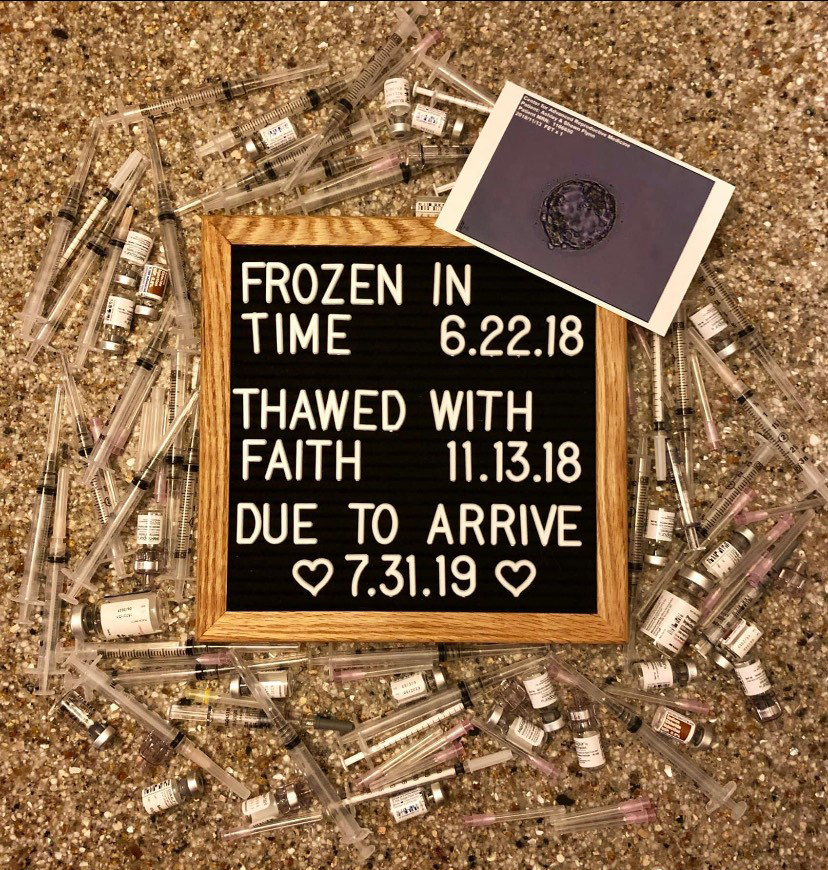
IVF after colorectal cancer I learned in 2014 that once my ovarian transposition surgery was done, that was it. It couldn’t be reversed. Because of the surgery, we would need to have IVF to have children.
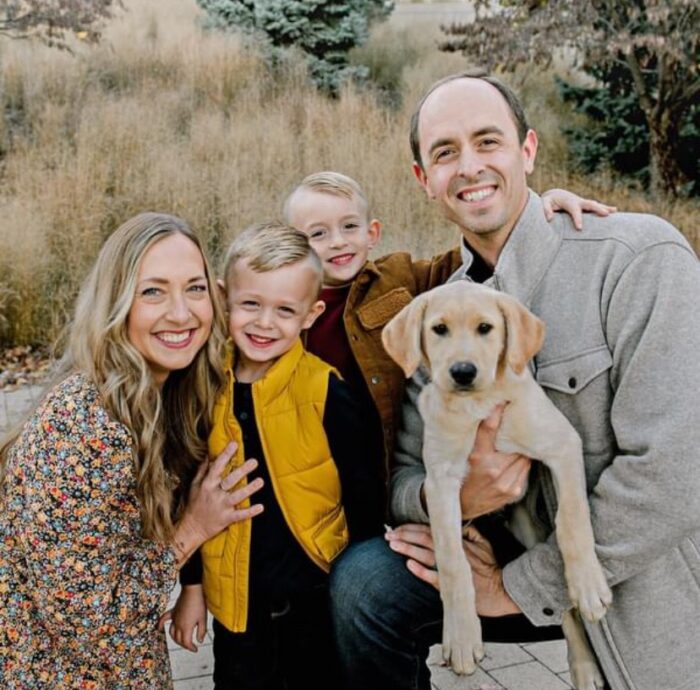
My treatment ended in August 2012. My husband and I got married in June 2015, and we began discussions with our doctor about six months later, since we knew we needed IVF to start our family.

The first time I took the medications to stimulate my ovaries, whenever an ultrasound was completed to monitor those ovaries for follicle growth, they could only find my right ovary. The right ovary wasn’t having the best response to the to the medications. There weren’t a lot of follicles available.

They attempted the egg retrieval anyway. At this point, the doctors thought they could still obtain my eggs vaginally.

The doctor went in to retrieve my eggs, and she said it felt like she was taking the needle and poking it through a wall.

My ovary was that hard.

After that procedure, I had the worst abdominal pain that I’ve ever felt in my life, and I ended up going to the emergency room.

My doctor brought me back in the next day for an ultrasound, and I remember when they were doing the ultrasound, my husband asked, “What was that?”

The radiology tech responded, “That’s her kidney.”

My husband responded, “No, that looks like an ovary.” The tech left the room to get the doctor.

Because we were going through this process and I was getting a lot of ultrasounds, my husband and I knew what an ovary with lots of follicles looks like. The doctor came in and said, “Yes. That is your ovary in your back.”

We had to go through the entire IVF process again because those eggs that they obtained from the rock-hard ovary did not grow. The doctors think that the right ovary had become detached from the oblique muscle and fell into the radiation field and was irradiated.

For the second egg retrieval, the doctor went in through my left side and took eggs from my left ovary. We ended up with one viable embryo. It only takes one embryo to make a baby.

Q. What has your IVF journey looked like?

A: My journey felt and looked like this:

  • Doctors took my one embryo and placed it in the uterus.
  • The embryo has to “stick” to become pregnant. This happened for me.
  • The next phase is being sure hormone levels keep rising. Doctors continually monitored my hormones.
  • Meanwhile, there’s an ultrasound to make sure there’s a heartbeat.
  • There was always a “next phase.” There was always another step.
Fortunately, IVF was successful for us. My little boy, Sam, is 7, and he was born in January 2017.

We knew we wanted more kids, but we had no more embryos, so we had to do the entire egg retrieval process again a few years later. From that egg retrieval, we got two embryos. The first embryo is my little boy Luke who is 4 now. He was born in July 2019.

We had one embryo left. In September 2021, we put that embryo in, and I miscarried.

Q: Did you ever feel frustrated or hopeless during your IVF journeys?

A: Yes. 100%.

I think when you’re going through your IVF journey, people think, “Oh, that girl has 10 eggs. That’s 10 kids that she could have.”

IVF is considered “successful” when you get pregnant with the embryo.

But that wasn’t my measure of success because that was not the end of my journey. I always said that I would never be happy until I had a baby in my arms.

Q: In hindsight, is there anything that you wish you could have done differently?

A: Yes. If I could do it over again, I would have frozen my eggs and then had the ovarian transposition surgery because I had some issues down the road.

I wish I had frozen my eggs, because in hindsight, my ovaries were affected by chemotherapy and radiation. Since my ovary had fallen into the radiation field, it was no longer functioning. This left me with one ovary. Women are born with all the eggs they will ever have in their lifetime. Although I still had one functioning ovary, in my opinion, it would have been beneficial to have eggs that had not received chemotherapy. This could have been done if I had frozen my eggs prior to receiving chemotherapy.

We struggled getting quality embryos. It took three egg retrievals to get three genetically normal embryos, two of which were successful. In an ideal world, a person would have one egg retrieval, get multiple eggs, and be able to use those to create multiple embryos. This is why I believe it would have been helpful to have an egg retrieval prior to receiving chemotherapy.

Q: Did your medical team discuss long-term effects of treatment with you?

A: While my radiation oncologist said radiation would be devastating to my ovaries, I was told absolutely nothing about long-term effects of treatment, as far as I remember. If they were discussed, I have no recollection because of being in the “newly diagnosed cancer patient fog.”

I was not advised that radiation would impact my ability to carry, but my colorectal surgeon was adamant that I did not deliver vaginally. Therefore, we planned for me to have a cesarean section (C-section). Doctors thought that the increased pressure from childbirth could rupture my previous surgical site in my rectum leading to life-long incontinence. I also believe there is a connection between radiation treatment and my sons coming before the planned C-section date.

Otherwise, I don’t have a lot of long-term side effects. My biggest issue is pelvic floor dysfunction from surgery. Of course, I do have some anxiety surrounding secondary cancer or relapse.

I recently reached out to a radiation oncologist friend and explained that I was never given my radiation doses or told what my long-term effects could be.

She went through details of my radiation with me. She explained that my uterus and bladder were directly in the radiation field, and they were the organs most affected.

Q: Did insurance cover IVF?

A: I work in a hospital, and I am fortunate that my insurance covered up to $10,000 total over a lifetime. Most employers do not have fertility coverage.

When we’re talking about IVF treatments, the money goes pretty quickly.

Finding a silver lining in the situation, Livestrong paid for medications, such as the injectables needed stimulate the ovaries. Medications to stimulate ovaries consisted of multiple injections, estrogen patches, estrogen tablets, and progesterone tablets. These medications were continuously monitored, measured, and adjusted depending on my lab results and follicle size/quantity. Livestrong has certain medications they will pay for, and our reproductive endocrinologist had other ones they preferred to use. Though Livestrong didn’t pay for all my medications, they paid for some.

I kept a running total of how much IVF cost us, which was about $17,000 to $20,000 out of pocket per kid.

As far as insurance and delivering babies: My medical team recommended planned C-sections. My health insurance would not approve a C-section until I reached 38 weeks, but neither of my pregnancies made it to my scheduled dates. Both were emergency C-sections.

I had Sam at 37 weeks. I went into labor with Luke at 35 weeks and six days. Since I delivered Luke after midnight, technically I delivered at 36 weeks (about 8 and a half months).

Q: What advice would you give to other colorectal cancer survivors who are considering IVF and carrying their own children after treatment?

A: Think about fertility preservation and your future.

Looking back, my health and saving my life was a priority. But it’s important to think about and hope for life after cancer.

I think of fertility preservation procedures as insurance plans: They are there if you need them, and hopefully, you’ll never need them. But it is always good to have a backup plan.

Q: What are your hopes and dreams for the future?

A: I hope we find out why so many young adults and adolescents are being diagnosed with colorectal cancer so young

IVF after colorectal cancerMy dream is every single cancer patient, no matter the diagnosis or age, should have a fertility preservation consult.

Currently I’m on the fertility preservation team at the children’s hospital in my city, and there are fertility preservation options for males and females as young as 6 months old.

My hope is to raise happy, healthy little boys, who unfortunately must have their first colonoscopy at age 14, 10 years before I was diagnosed.

While I haven’t broken that news to them yet, I believe that knowledge is power, I’m going to do all I can to make sure that they don’t have to go through what I did.

Q: Are there resources available for family-building post-cancer?

A: There are a few programs and resources available to help. Some programs (such as the Expect Miracles Foundation SAMFund Family Building Grant) accept applications only within a brief window.

In May 2019, Joanna, age 31, was diagnosed with stage III rectal cancer. This diagnosis, alone, was devastating. What she did not understand at the time was that her journey to motherhood – one riddled with sadness and heartache, while also filled with beauty, growth, and appreciation – would take years to come to fruition and entail a lot of work on the part of many people, especially her best friend from kindergarten, Colleen.

In November 2023, four-and-half years after she heard three life-altering words, Joanna and her husband welcomed their son via their gestational surrogate, Colleen. Joanna shares her surrogacy journey to give others hope. She believes her story highlights how love, friendship, and support can turn dreams of motherhood into reality, even after a devastating colorectal cancer diagnosis and treatment.

Q: Had you discussed surrogacy as an option with your health care team? What guidance did they provide?

A: Prior to the start of treatment, my team advised me that radiation would remove the possibility for future pregnancies, due to irreversible damage to my female reproductive organs. I was stunned when I heard this news. I was wholly ill-prepared to hear that I had only two options to motherhood – surrogacy or adoption – and that neither involved my body bringing life into this world. At that time, I knew nothing about surrogacy, and I did not know any success stories. It felt like a far-off possibility and yet another huge hurdle to overcome.

My oncology team initially advised against IVF (in vitro fertilization) because my cancer seemed too advanced to delay treatment. They wanted to focus on my present need for lifesaving treatment, not future family planning. I understood their position. Their job was to cure my body, while eliminating the possibility of stage IV cancer.

After many discussions, however, my health care team gave me their blessing, granting us three weeks to start and finish IVF before radiation started. I must admit, I had no idea if three weeks was enough time because I had no idea what the IVF process entailed. I knew that I wanted the opportunity to have a biological child, so I understood that my husband and I needed to move fast, quickly educate ourselves, and hope that the right people came into our lives to make this dream happen. Insert Dr. Moe. She understood the assignment as we presented to her office for an emergency egg retrieval. We had one shot.

Everything moved at lightning-fast speed. While preparing for radiation, I simultaneously started medication (pills, shots) for the egg retrieval, which took place a little over a week after starting medication. Although we understood that the egg retrieval had been successful prior to radiation, we had five days to wait for confirmation that the fertilization process resulted in viable embryos. Three days after my egg retrieval, I started radiation. I prepared myself for the worst while praying that Dr. Moe would call with news of multiple, genetically normal embryos. And she did.

Q: How did you reach the decision for surrogacy?

A: Although we had a successful IVF journey, my husband and I considered adoption as a family-building option. We ultimately decided that we wanted to have a biological child, which led us to pursue surrogacy.

Q: What were the specific concerns or challenges related to colorectal cancer and its treatments that led you to the surrogacy process?

A: People often ask me why I can’t carry. Because of the likely effects of radiation on my uterus, my radiation oncology team advised against any future pregnancies. It would be my decision ultimately, but they were adamant that what my body had gone through likely impaired my ability to carry a pregnancy to full-term.

Sadly, my team had counseled female patients with colorectal cancer, who ignored their advice and had failed pregnancies due to radiation-related effects on their uterus. I wanted to carry – and still wish I could – but the pain of losing a baby, when I know there exists a high likelihood that I could miscarry, is not a risk I am willing to take.

Q: How did you choose or find your surrogate?

A: I know God opened the door to surrogacy once I was ready, and I think “ready” looks different for everyone. There are a lot of unknowns with surrogacy and pregnancy, in general. For me, feeling ready meant that I started to make meaningful progress to accepting my cancer, the uncertainty that existed with my health, my path to motherhood, and the fact that my body cannot bring life fully into existence.

Colleen enjoys being pregnant and had a desire to be a surrogate for a long time. When she finished building her own family, she asked me if she could carry for us. She felt God calling her to bring life into this world for us. In August 2022, my husband and I finally felt ready to start our surrogacy journey with Colleen and her family.

Q: What are the steps to take for surrogacy?

A: There are two avenues you can take when starting a surrogacy journey. You can work directly with a surrogacy agency or proceed independently. A surrogacy agency has a pool of surrogates who are “cleared” and ready to match with intended parents. What I mean by “cleared” is that agencies have a pool of women who have been deemed medically and physically fit to carry, while also receiving approval that they are mentally and emotionally equipped to handle a surrogate pregnancy. An agency will provide candidate profiles to intended parents, which provide a very in-depth look at the candidate, her family, and her life in general, as well as compensation and whether the surrogate holds surrogate-friendly health insurance (that the woman’s insurance policy covers a surrogate pregnancy without exceptions).

You can expect an agency to present high-quality surrogates, while also providing administrative assistance through the entirety of the pregnancy. Surrogacy agencies charge fees, which typically range, depending on the agency, from $10,000 to $50,000.

Alternatively, an independent journey means that intended parents know the surrogate, so there is no need for a match. Once a known surrogate is identified, the potential surrogate must receive clearance to carry. For Colleen, our clearance process included a detailed medical review, countless blood draws and numerous ultrasounds, three psychological evaluations, and an insurance review to confirm Colleen had surrogate-friendly insurance. An independent journey removes the surrogacy agency fee, often making this option more affordable, although it tends to take longer.

Q: Would you recommend surrogacy? Why or why not?

A: Yes, absolutely. Lately many news media outlets are highlighting infertility awareness and surrogacy, as they spotlight many celebrities that have chosen this option. For a lot of people, they see this process as exclusionary, and they are not wrong. The financial costs are often too large a barrier. With that said, there are instances of altruist surrogacy, where a friend or family member carries. However, the process is not free because there exists high expense for medical and legal, among others. In addition, I would suggest people explore surrogacy grants and organizations that offer funding (see below) to make surrogacy less financially burdensome.

Q. How has your support network, including family and friends, responded to the idea of surrogacy?

A: Our support network rallied behind us the minute cancer entered our life. Seeing us prepare for parenthood and then welcoming our little one into this world in November has been a special journey for our family and friends, especially those who have known Collen and I since kindergarten.

It has been, and continues to be, a beautiful time in our lives. The phrase, “it takes a village,” has a whole new meaning to us these days.

Q. What emotional and logistical support did you need during the surrogacy process?

A. Honestly, surrogacy felt very lonely at times. I was the first person in my family and friendship group to go through surrogacy. It is difficult when you picture your life a certain way and then you are forced to pivot down a path that looks wildly different than you envisioned. I pivoted, but I frequently felt alone.

I really leaned on therapy as a space to mourn this loss and to be unapologetically real, raw, and honest. When I did this, my immense pain started to turn toward acceptance, which was especially helpful once Colleen was pregnant. I so often feared that I would not connect with our son, because I missed out on the first nine months of his life in utero. A lot of women feel this way, even if they do carry their children. As I started to care for my son, this fear dissipated as our connection inevitably grew.

Q: Are there any comments, questions, or hesitations that you had about the surrogacy process that you’d like to share?

A: Surrogacy requires a football team of people to have a child. It can be really exhausting at times when countless people – fertility doctors, lawyers, embryologists, insurance reviewers – are closely involved in a pregnancy journey that is supposed to be a very intimate process between two people.

I was surprised to learn that more spaces are needed for intended moms and parents to talk about the process, grieve their loss of a traditional path to parenthood, and receive support from those with a common story. More conversation is needed about surrogacy and the emotional pains that many intended parents experience when faced with a nontraditional path to parenthood.

Q: How does your cancer journey play into your surrogacy journey?

A: I know that both journeys have stretched me in unimaginable ways. I felt every feeling during treatment and often experienced inconsolable emotion right before my chemotherapy drip started.

The thought of having a family one day was often the only way I could pull myself together and keep moving forward, especially when giving up seemed really easy at times. As I look at my son, growing and laughing and experiencing the world for the first time, I am beyond proud of myself for continuing to move forward when the road ahead looked really dark and frightening.

Q: How did it feel holding your son for the first time?

A: Holding my son for the first time is one of the most emotional things I have ever experienced. I could not – and still cannot – believe he is here. All the heartache, longing, and sadness about my journey to motherhood washed away when Colleen delivered him: We heard him cry for the first time, and I held him in my arms.

He is a true miracle.

Q: Are there resources available for family-building post-cancer?

A: There are a few programs and resources available to help. Some programs (such as the Expect Miracles Foundation SAMFund Family Building Grant) accept applications only within a brief window.

Fight Colorectal Cancer (Fight CRC) is proud to announce that its Genetics and Family History Advisory Council is leading an initiative, alongside nearly 150 patient advocacy organizations, medical societies, and medical professionals, to submit an application to the International Classification of Diseases (ICD-10) Coordination and Maintenance Committee to create a code specifically for Lynch syndrome. This effort is crucial for healthcare providers to accurately identify and manage Lynch syndrome patients, leading to improved care and continued advancements in research.

Lynch syndrome, a hereditary condition, significantly increases the lifetime risk of colorectal cancer (CRC) and other cancers. Early identification through precise coding can facilitate timely surveillance and intervention, ultimately saving lives. Accurate ICD-10 coding is crucial for monitoring Lynch syndrome patients, ensuring they receive appropriate surveillance, and enabling personalized treatment plans. Additionally, precise coding would facilitate the use of national-level data sets to monitor treatment outcomes and drive research and quality improvement efforts in the hereditary cancer community.

The Council, comprised of esteemed experts in the field, is spearheading this effort:

  • Dr. Peter P. Stanich, Gastroenterologist and Associate Professor at the Ohio State University Wexner Medical Center
  • Heather Hampel, MS, LGC, Professor in the Department of Medical Oncology and Research; and Associate Director of the Division of Cancer Genomics at City of Hope National Cancer Center
  • Andrea Dwyer, BS, Advisor to Fight Colorectal Cancer, University of Colorado Cancer Center
  • Dr. Swati G. Patel, Director of the Gastrointestinal Cancer Risk and Prevention Center; and Staff Physician at the Rocky Mountain Regional Veterans Affairs Hospital
  • Dr. Jennifer M. Weiss, Associate Professor in the Division of Gastroenterology and Hepatology; and Director of the UW Gastrointestinal Genetics Clinic
Lynch syndrome affects approximately 1 in every 279 individuals globally and 1 in every 25-35 individuals with CRC. Individuals with Lynch syndrome are more likely to develop CRC at an age younger than 50. They also face heightened risks of endometrial cancer and several other types of cancer.

“As a Lynch syndrome patient, the odds of additional cancers in my lifetime is between 20-60% – And, without regular surveillance, can be life threatening to me,” stated Wenora Johnson, Fight CRC Research Advocate and 3X cancer survivor. “This is why codes are important, as they can bring better research and understanding of Lynch syndrome.”

“I look forward to Lynch syndrome being recognized with its own ICD10 code,” stated Dr. Peter Stanich. “This will immediately help improve quality of care by allowing for better tracking of patients and help with insurance coverage of the necessary surveillance colonoscopies and other testing. In the long view, this will also facilitate a major step forward in research through the use of large data sets which utilize ICD10 coding. This will allow researchers to track outcomes and practice patterns at a national scale.”

ICD-10-CM is used for medical claim reporting in all healthcare settings and is a standardized classification system of diagnosis codes that represent conditions and diseases, related health problems, abnormal findings, signs and symptoms, injuries, external causes of injuries and diseases, and social circumstances.

Fight CRC’s application to create specific ICD-10 coding for Lynch syndrome gathered broad support:

  • Association of Black Gastroenterologists and Hepatologists
  • AliveAndKickn
  • American Cancer Society
  • American Cancer Society Cancer Action Network
  • American College of Gastroenterology
  • American Society for Gastrointestinal Endoscopy
  • California Colorectal Cancer Coalition
  • CancerCare
  • Catch It In Time
  • Cheeky Charity
  • Collaborative Group of the Americas on Inherited Gastrointestinal Cancer
  • Colon Cancer Alliance for Research & Education for Lynch Syndrome
  • Colon Cancer Coalition
  • Colon Cancer Prevention Project
  • Colorectal Cancer Alliance
  • Colorectal Cancer Equity Foundation
  • GH Foundation
  • Hitting Cancer Below the Belt
  • Jacqueline Rush Foundation
  • Lynch Syndrome Screening Network
  • Man Up to Cancer
  • National Comprehensive Cancer Network
  • National Society of Genetic Counselors
  • NCGenetics
  • OECI Comprehensive Cancer Centre, St James Hospital
  • One Cancer Place
  • Paltown Development Foundation
  • Raymond Foundation & GI Cancers Alliance
  • Ruesch Center for the Cure of GI Cancers
  • The Blue Hat Foundation
  • The Hereditary GI Cancer Prevention Program at the Ohio State University Wexner Medical Center
  • The Lynch Syndrome Screening Network
  • UCHealth University of Colorado Hospital
  • United Ostomy Associations of America, Inc.
  • Washington Colon Cancer Stats
  • West Virginia University Cancer Institute
  • Alexandra Capasso, Genetic Counselor, City of Hope
  • Andrea Jean Dwyer, Program Director Colorado Cancer Screening Program, University of Colorado Cancer Center
  • Ann Bunnell, Genetic Counselor, Texas Oncology
  • Anu Chittenden, Genetic Counselor, Dana-Farber Cancer Institute
  • Aparajita Singh, Associate Clinical Professor, University of California San Francisco
  • Ashley Mochizuki, Associate Genetic Counselor, City of Hope
  • Beth Dudley Yurkovich, Certified Genetic Counselor, University of Pittsburgh
  • Bethany Kelly, MS, CGC, Genetic Counselor, CHI Saint Joseph Health Cancer Care
  • Bita Nehoray, Manager, Genetic Counseling, City of Hope
  • Brittany Glassett, PA-C, UCHealth
  • Brittany Szymaniak, Genetic Counselor, Northwestern Medicine
  • Bryson Katona, MD, PhD, Assistant Professor of Medicine, Collaborative Group of the Americas on Inherited Gastrointestinal Cancer President, University of Pennsylvania
  • Carly Grant, Cancer Genetic Counselor, Massachusetts General Hospital Cancer Center
  • Carol Burke, MD, Cleveland Clinic
  • Carol Ko, Genetic Counselor Supervisor, Providence
  • Carol Koch, Patient
  • Catherine Whitworth, Program Coordinator, WV Program to Increase Colorectal Cancer Screening
  • Cheryl Lauren Meguid, Nurse Practitioner, University of Colorado Hospital
  • Christina Fujii, Genetic Counselor, City of Hope
  • Christine Drogan, Certified Genetic Counselor, University of Chicago
  • Cindy L. O’Bryant, Professor/Clinical Pharmacist, University of Colorado Cancer Center
  • Connie Zuo, Physician Assistant, University of Colorado Medicine (CU Medicine)
  • Crystal Fogleman, Oncology Nurse, Invitae
  • Danielle Marino, MD, University of Rochester
  • Danielle Pastor, Associate Program Director, National drInstitutes of Health Hematology Oncology Fellowship Program; Chief, Medical Oncology Consult Service, National Cancer Institute, National Institutes of Health
  • Dawn Nixon, Genetic Counselor, Ascension St. Vincent Cancer Care
  • Deborah Cragun, Director, Genetic Counseling Graduate Program, University of South Florida
  • Deepika Nathan, HS Associate Clinical Professor, Genetic Counselor, University of California Irvine School of Medicine
  • Devin Cox, Genetic Counselor, University of Kansas Cancer Center
  • Dillon van den Berg, Genetic Counselor, Providence Mission Hospital
  • Douglas Riegert-Johnson, MD, Consultant of Gastroenterology, Mayo Clinic
  • Ed Esplin, Physician, Clinical Geneticist, Invitae
  • Elena Strait, Genetic Counselor, Penrose Hospital / CommonSpirit Health
  • Elise Sobotka, MS, MPH, CGC, Genetic Counselor, City of Hope National Medical Center
  • Elizabeth Lynn, Nurse Practitioner, University of California, San Francisco (UCSF) Hereditary Cancer Clinic
  • Elyssa Zukin, Genetic Counselor, City of Hope
  • Emily Toegel, MD, University of Colorado Anschutz Medical Campus
  • Emma Keel, Genetic Counselor, University of Chicago
  • Francesca Tubito-Massarano, Genetic Counselor, Weill Cornell Medicine
  • Gayle Patel, Certified Genetic Counselor, Texas Oncology
  • Gregory Austin, Professor Medicine, University of Colorado
  • Gregory Idos, Associate Professor of Medicine, City of Hope National Medical Center
  • Holli Loomans-Kropp, Assistant Professor, The Ohio State University
  • Hunaydah Elfarawi, Genetic Counselor, City of Hope National Medical Center
  • Jaime Jessen, Genetic Counselor, Dynacare
  • Jamilyn Zepp, Genetic Counselor, Kaiser Permanente Center for Health Research
  • Jamina Oomen-Hajagos, PhD, MS, Genetic Counselor, GeneDx
  • Jennifer Weiss, MD, MS, Director, University of Wisconsin GI Genetics Clinic, University of Wisconsin School of Medicine and Public Health
  • Jordyn Koehn, Clinical Genetic Counselor, The University of Kansas Cancer Center
  • Joshua Smith, Resident Physician, University of Michigan Medicine
  • Julia Martinez, Genetic Counselor, University of California Davis Health
  • Karen Vikstrom, Genetic Counselor, NorthBay Cancer Center
  • Kathryn Reyes, Genetic Counselor, City of Hope
  • Kathryn Valdez, RSM, Invitae
  • Kristen Shannon, Director, Massachusetts General Hospital Cancer Center Genetics Program, Mass General Cancer Center
  • Kristina Markey, Genetic Counselor, University of Colorado S
  • Lauren Gima, Senior Genetic Counselor, City of Hope
  • Lee-may Chen, MD, Professor, UCSF Helen Diller Family Comprehensive Cancer Center
  • Leigh Stout, Genetic Counselor, Indiana University Health
  • Leila Jamal ScM, PhD, Genomics Education Specialist, National Cancer Institute
  • Leslie Van Nostrand, RN – Nurse Navigator, UCHealth
  • Leticia Valadez, Manager, Practice Management, City of Hope National Medical Center, Division of Clinical Cancer Genetics
  • Linda H Rodgers-Fouche, Genetic Counselor, Massachusetts General Hospital
  • Lisa Ku, Genetic Counselor, University of Colorado
  • Lisen Axell, Instructor, Medicine-Medical Oncology, University of Colorado
  • Lucia Richter Paz, MD, Instituto Oncológico del Oriente Boliviano
  • Marcela Mora, RN, UCHealth
  • Margaret R. Klehm, Nurse Practitioner, Dana-Farber Cancer Institute
  • Melany Cruz, Genetic Counselor, Massachusetts General Hospital
  • Melissa Fuller, Program Manager Oncology Service Line, UCHealth
  • Michael Restrepo, Licensed Certified Genetic Counselor, City of Hope
  • Michelle Hall, Genetic Counselor, Mercy Health
  • Michelle Springer, Genetic Counselor, University of Colorado
  • Mohammad Ali Abbass, Surgeon, Northwestern University
  • Natalie Sivak, M.D., University of Colorado Denver
  • Natalya Veneychuk, RN, UCHealth
  • Nicholas Bartell, MD, University of Rochester Medical Center
  • Nikhil Madhuripan, MD, Interim Section Chief of Abdominal Imaging, University of Colorado Anschutz Medical Campus School of Medicine
  • Paul E. Wise, MD, Professor of Surgery, Washington University in St. Louis School of Medicine
  • Peter P Stanich, MD, Associate Professor, The Hereditary GI Cancer Prevention Program, The Ohio State University Wexner Medical Center
  • Priyanka Kanth, MD, MedStar Georgetown University Hospital
  • Rachel Hodan, Genetic Counselor IV, Stanford Health Care
  • Reed Weiss, DNP, ARNP, University of Colorado Cancer Center
  • Rikki Caffrey, Director, Ethics, Advocate Health
  • Robert Hollis, Assistant Professor, University of Alabama at Birmingham
  • Samantha Goold, Genetic Counselor, Providence
  • Samara Rifkin, Gastroenterologist, University of Michigan
  • Sanjana Mehrotra, Associate Professor, University of Colorado
  • Sara Mokhtary, Genetic Counselor, Texas Oncology
  • Sarah Lindsey Davis, MD, University of Colorado Cancer Center
  • Sarah Sturm, Genetic Counselor, University of California, San Francisco
  • Stephanie Cohen, Genetic Counselor, Ascension St. Vincent
  • Steven H. Erdman, Professor-Clinical, Pediatrics, The Ohio State University
  • Sudeep Banerjee, MD, Kaiser Permanente
  • Susan C Eason, Program Director, WV Program to Increase Colorectal Cancer Screening, WVU Cancer Institute
  • Swati G. Patel, Associate Professor of Medicine, University of Colorado Anschutz Medical Center
  • Timothy Yen, MD, Loma Linda University
  • Trisha Nichols, MS, CGC, Certified Genetic Counselor/Program Coordinator, Texas Oncology (The US Oncology Network)
  • Wells Messersmith, MD, Professor and Division Head of Medical Oncology, University of Colorado School of Medicine
  • Wendy Rubinstein, Senior Scientific Officer, National Cancer Institute
  • Xavier Llor, Professor of Medicine, Yale University
Stay updated on the outcome and future developments by following Fight CRC on social media.

The Nation’s Leading Colorectal Cancer Advocacy Organization Amplifies Voices of Colorectal Cancer Survivors, Caregivers, and Loved Ones to Drive Policy Change.

WASHINGTON, D.C. – In a powerful display of unity, Fight Colorectal Cancer (Fight CRC) is hosting the 18th Annual Call-on Congress event, bringing together over 200 colorectal cancer survivors, caregivers, and loved ones. This landmark advocacy initiative aims to elevate personal stories and press for increased funding and support to combat colorectal cancer (CRC).

Colorectal cancer, encompassing colon and rectal cancers, stands as the second-leading cause of cancer deaths for both men and women combined in the United States. Despite traditionally affecting an older demographic, there has been an alarming rise in CRC incidence among individuals under the age of 50 over the last decade. A 2021 JAMA study projects that by 2030, colorectal cancer will claim the lives of those aged 20-49, becoming the leading cause of cancer deaths in this age group.

Advocates participating in the Call-on Congress event will engage with members of Congress, sharing their personal experiences with colorectal cancer and championing critical initiatives, including:

  • $51 Million for the CDC’s Colorectal Cancer Control Program (CRCCP): Empowering the CDC to expand its work to increase colorectal cancer screening rates among the nation’s most vulnerable populations through the implementation of evidence-based interventions.
  • $20 Million to Establish a Colorectal Cancer Research Program within the Department of Defense (DoD) Congressionally Directed Medical Research Program (CDMRP): Addressing the absence of dedicated research funding for colorectal cancer within the CDMRP, despite it being the second-leading cause of cancer death.
  • Encouraging Members of Congress to Champion Colorectal Cancer: Advocates will call on their representatives to become champions for colorectal cancer, actively working to transform the statistics surrounding the disease by joining the Colorectal Cancer Caucus.
“We are thrilled to host our largest Call-on Congress event to date. Hundreds of survivors, caregivers, and loved ones from across the country will courageously share their stories, urging policymakers to prioritize funding for the second leading cause of cancer death in our country,” said Anjee Davis, Fight CRC President.

Call-on Congress 2024 is sponsored by Exact Sciences, Fujifilm, and Merck.

Donate Now